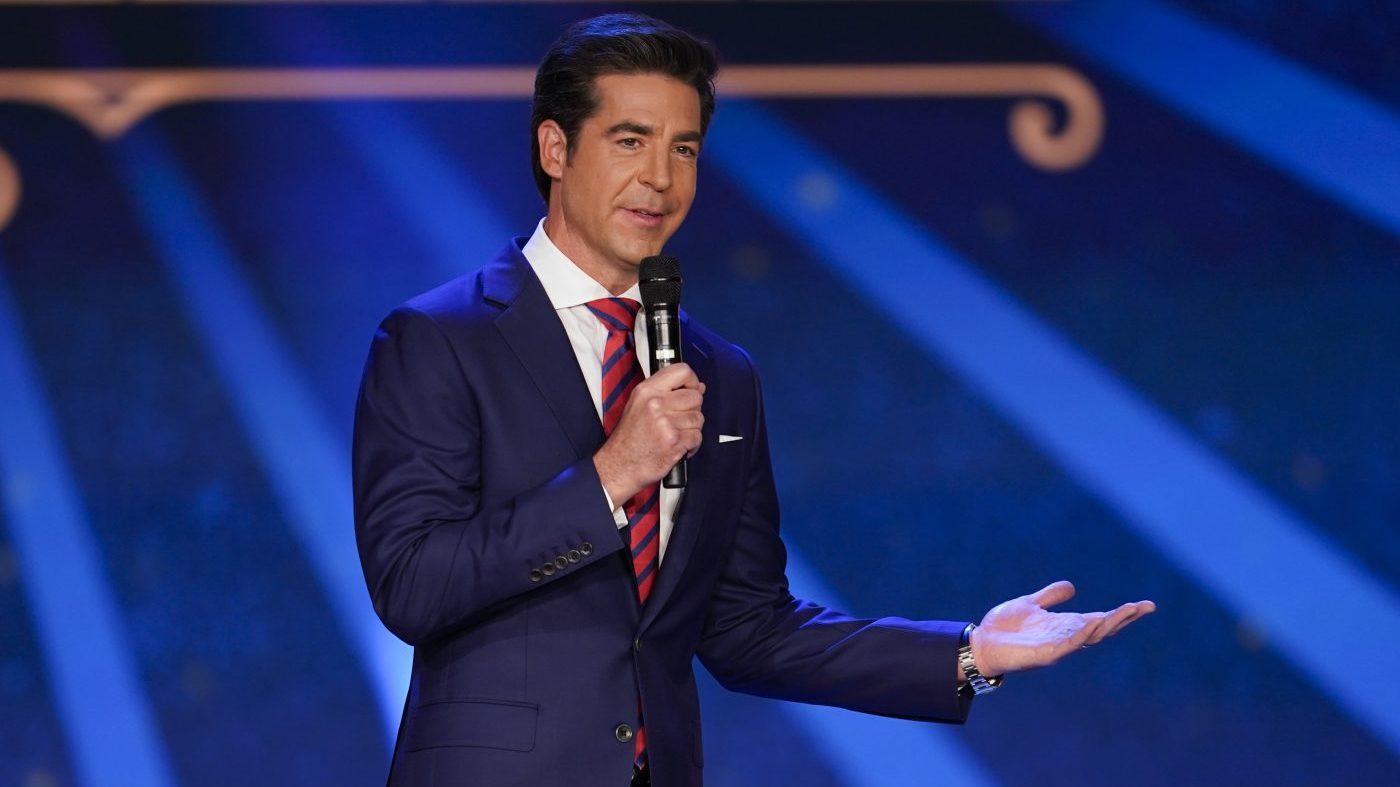
Fox News commentator Jesse Watters cast doubt on President Trump's promise to send $5,000 checks to every American, suggesting the midterm results were not shaping up as the president had hoped.
During Fox's election night coverage, Watters said, "I've looked at the numbers ... it's not a red wave," adding with a smirk, "I don't think we're going to get our $5,000 checks, and so the Democrats are having a good night." His remarks came as early returns showed Republicans underperforming in key races, undercutting the president's pledge that a GOP-controlled Congress would enable him to issue the payments.
The $5,000 dividend proposal, which Trump had floated as a centerpiece of his midterm pitch, drew bipartisan skepticism over its cost and legality. Critics noted that such a program would require congressional approval and could add trillions to the national debt. The president had framed the checks as a reward for voters who backed Republican candidates, but Watters's comments suggested that even conservative media figures were beginning to distance themselves from the promise as results trickled in.
Watters also offered a broader assessment of Trump's first year back in office, saying, "The Democrats handed Donald Trump three major problems: the economy, immigration and crime ... he solved two out of the three. He didn't solve the economy." He added, "He has said short-term pain, long-term gain. To use a golf analogy, he didn't come to lay up." The analogy, which suggests Trump is swinging for big gains rather than playing it safe, reflects the administration's aggressive policy bets on tariffs and deregulation, though economic indicators remain mixed.
Watters's comments came during a segment that included Karoline Leavitt, a former Trump press secretary who now serves as a Fox contributor. Leavitt said she had spoken with the president and that he was "cautiously optimistic" about the GOP's chances. "The reality of it is history is not on his side," she said. "The president has been pragmatic about that, but he still left it all on the field. If voters decided to get up today and turn out the polls, it will be a better night for Republicans, but that remains to be seen."
Leavitt's cautious tone contrasted with Trump's own social media activity. The president posted multiple times on Truth Social on Tuesday night, complaining that Fox was focusing too much on "Dumocrats," which he argued would discourage viewers. His criticism echoed past tensions with the network, which has sometimes been at odds with the White House over coverage.
The midterm results are being closely watched as a referendum on Trump's policies, particularly his handling of the economy. Recent polling shows voters are split on his economic management, and the midterm bargains he struck, including the dividend checks and disaster aid, have not always translated into broad support. Meanwhile, the administration's aggressive moves on immigration and crime have energized the base but also drawn legal challenges, such as the door-to-door DHS voter checks that have sparked legal and political fire.
As the night progressed, it became clear that the anticipated "red wave" had not materialized, and Watters's skepticism appeared prescient. The final tally will determine whether Republicans gain control of both chambers, but even if they do, the president's check promise may remain unfulfilled, as fiscal realities and internal GOP resistance loom large.
The political landscape remains volatile, and the outcome of these midterms could reshape Trump's agenda for the next two years. For now, Watters's blunt assessment has added to the growing narrative that the president's bold promises are colliding with the complexities of governance.