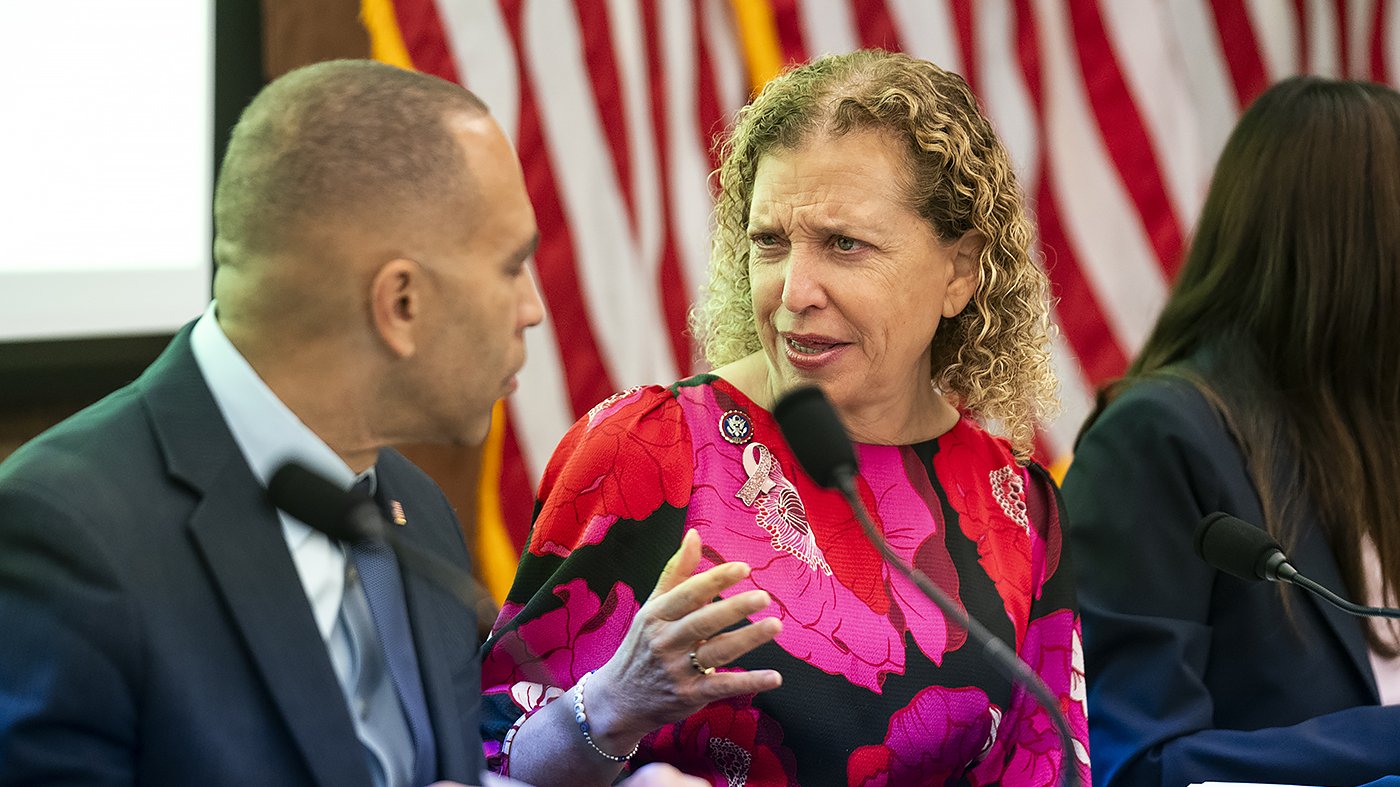
Representative Debbie Wasserman Schultz's decision to run in Florida's 20th Congressional District—a heavily Black, Democratic-leaning seat—has ignited a bitter intraparty war, with Black leaders and challengers accusing the veteran lawmaker of prioritizing her own political survival over community representation.
The district, which includes parts of Broward and Palm Beach counties, became open after former Representative Sheila Cherfilus-McCormick resigned in April. Wasserman Schultz, who has served in Congress since 2005, opted to run there after Republican-led redistricting made her current 25th District far more competitive for the GOP. But critics say her move amounts to a political land grab in a seat long seen as a bastion of Black political power.
“It was a selfish move, all about her career, not the community,” said Elijah Manley, a 27-year-old Black progressive organizer also running in the August 18 primary. “She failed to have any meaningful dialogue before announcing. It comes off as a hostile takeover.” Manley noted that Wasserman Schultz did not consult the Florida Legislative Black Caucus or local Black elected officials before jumping in.
The primary field is crowded. Besides Manley, Wasserman Schultz faces Cherfilus-McCormick, former Broward County Mayor Dale Holness, and rapper Luther “Luke” Campbell. Campbell warned on social media that Wasserman Schultz’s strategy appears to rely on splitting the Black vote among multiple candidates. “That’s the same old playbook—divide and conquer,” he wrote. “This community deserves someone who knows it, lives it, and fights for it.”
Wasserman Schultz has defended her bid by pointing to her long record of service and seniority. She serves as co-chair of the House Democratic Steering and Policy Committee, a powerful role that shapes committee assignments and party strategy. “I know how to stand up for and represent diverse communities,” she told NBC’s Kristen Welker in May. “I’ve represented nine of the 14 cities in this district. They know me, and they know they want someone with seasoning and experience.”
That argument has not mollified state party leaders. Florida Democratic Party Chair Nikki Fried told the Miami Herald she was “disappointed by the congresswoman’s refusal to engage in meaningful dialogue” about the decision, especially after Democrats worked hard to fight GOP redistricting. Ten members of the Florida Democratic National Committee issued a joint statement saying, “Our party cannot credibly denounce the dismantling of Black political power by Republicans while treating one of Florida’s few remaining majority-Black districts as a political opportunity for an incumbent seeking a safer seat.”
The controversy echoes broader national concerns about the erosion of Black representation in Congress. A recent analysis by The World Signal highlighted how Black House representation is set to plummet after Supreme Court rulings and retirements. Wasserman Schultz’s move has become a flashpoint in that debate, particularly given the district’s history as a majority-Black seat.
House Minority Leader Hakeem Jeffries has avoided taking sides. “Everybody has a right to run where they see fit,” Jeffries said at a press conference. “She has a strong track record of accomplishment. But we all recognize the sensitivities of the moment—an unprecedented Jim Crow-like assault on Black political representation unleashed by the Supreme Court’s outrageous decision to gut the Voting Rights Act.”
Manley acknowledged that efforts to unite Black challengers behind a single candidate “fell apart,” but he remains confident Wasserman Schultz can be beaten. “I’m not going to concede the white vote to her,” he said. “Even with a split Black vote, she’s vulnerable.”
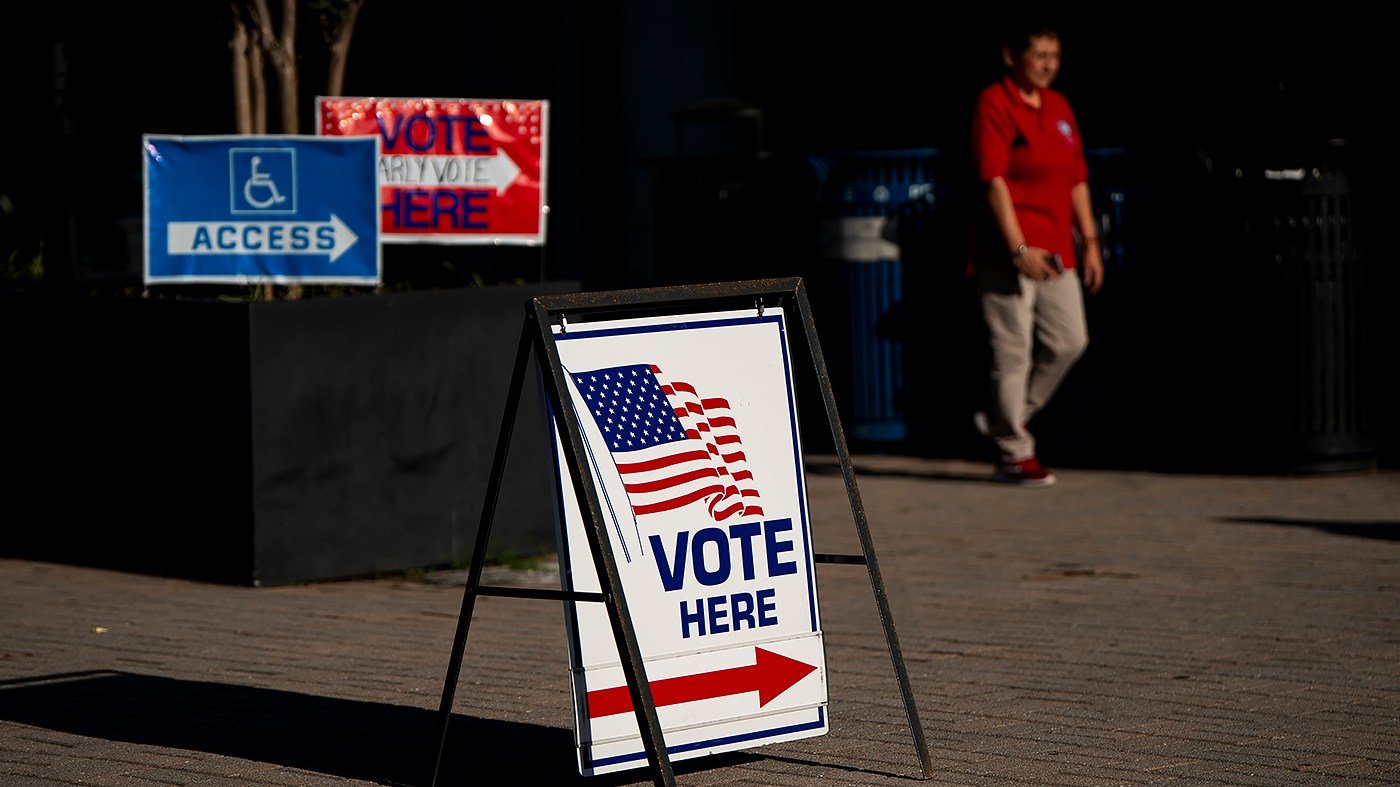
The primary is set for August 18, with early voting already underway. The outcome will test whether incumbency and institutional support can overcome a grassroots backlash fueled by racial justice concerns.