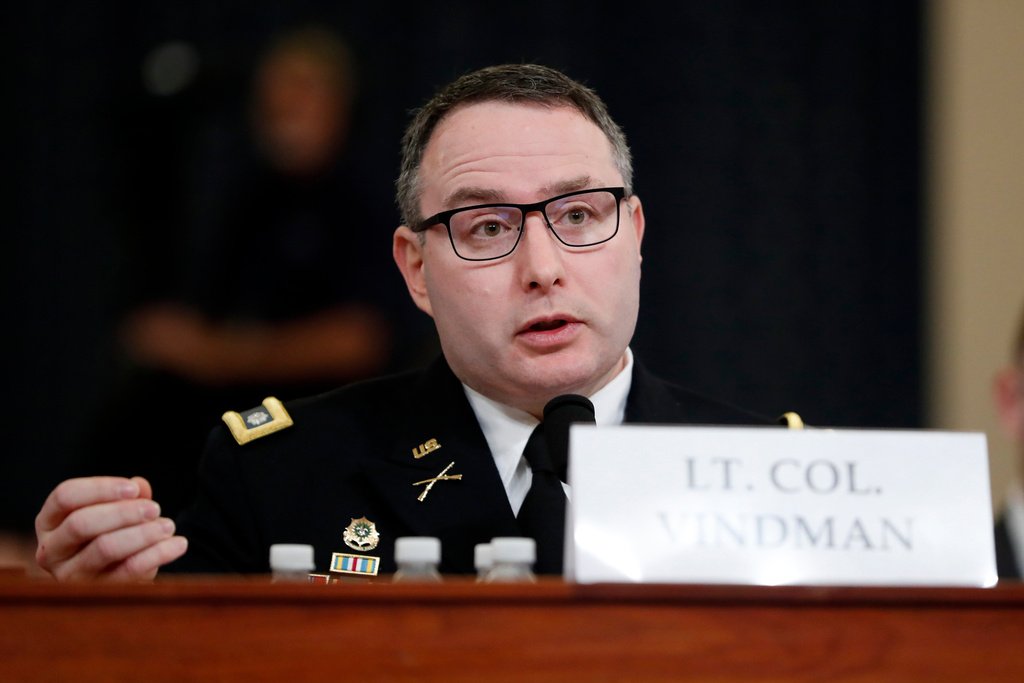
In Florida’s upcoming Senate race, the conventional wisdom of a safe Republican seat is being tested. Alexander Vindman, a retired lieutenant colonel who gained national prominence for reporting President Trump’s pressure on Ukraine, is challenging incumbent Senator Ashley Moody. Recent internal polling from Vindman’s campaign suggests the race is statistically tied, raising the possibility of an upset in a state Trump won by 13 points in 2024.
Moody’s Vulnerabilities
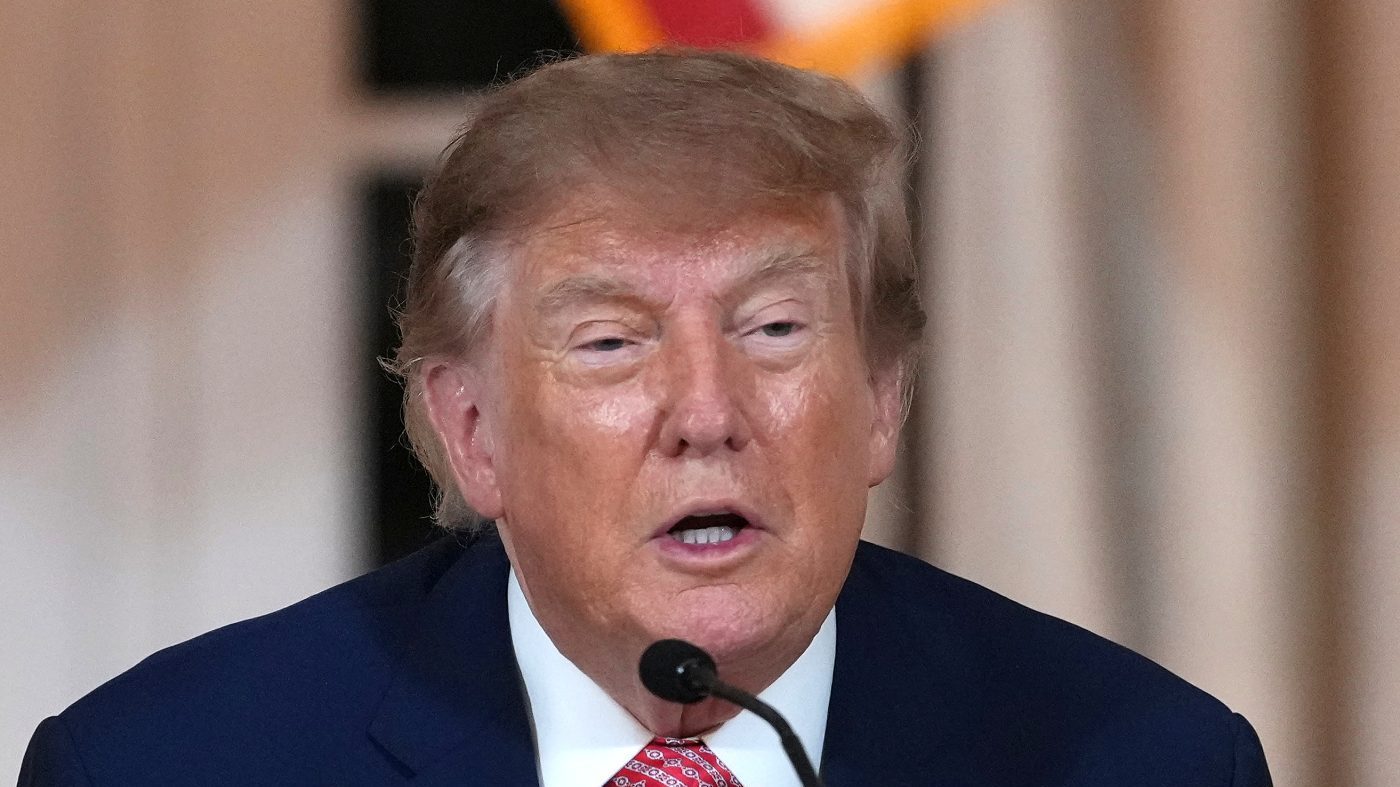
Moody, appointed by Governor Ron DeSantis in January 2025 to replace Marco Rubio after he became Secretary of State, has largely stayed out of the spotlight. She earned an early endorsement from Trump last July to deter primary challengers, but her loyalty to the president may now be a liability. With 70% of Floridians saying they are falling behind on the cost of living and Trump’s approval in the state at just 43%, Moody’s close ties to the administration could alienate voters. A recent Politico Playbook headline flagged the race as “the next Senate race to watch” after Vindman’s polling showed his strength.
Vindman’s Story Resonates
Vindman, a Kyiv-born Ukrainian American and decorated combat veteran, became a target of Trump’s ire after testifying at the first impeachment hearing in 2019. He was fired from his National Security Council role in 2020, a move widely seen as retaliation. Running on a message of anti-corruption and cost-of-living relief, Vindman has raised $8.1 million, nearly matching Moody’s $8.4 million. He recently campaigned in The Villages, a Republican stronghold, where he engaged with Trump supporters. “I am a 21-year combat veteran who has reported corruption at the highest level,” Vindman told The World Signal. “Ashley Moody and her allies don’t faze me.”
Vindman also highlights Moody’s stock trades, noting she sold over $2 million in stocks shortly after taking office, a move he calls corrupt. A recent poll found 95% of Florida voters believe political corruption drives higher costs, a theme Vindman is capitalizing on.
Electoral Math
Florida has 5.5 million registered Republicans, 4 million Democrats, and 3.3 million no-party voters. While the GOP registration advantage is large, many Republicans are disenchanted, including some like the author who have left the party. Vindman’s campaign is targeting these voters, as well as independents and minor-party registrants. The August 18 primary is expected to be a formality for Vindman, who faces state Representative Angie Nixon.
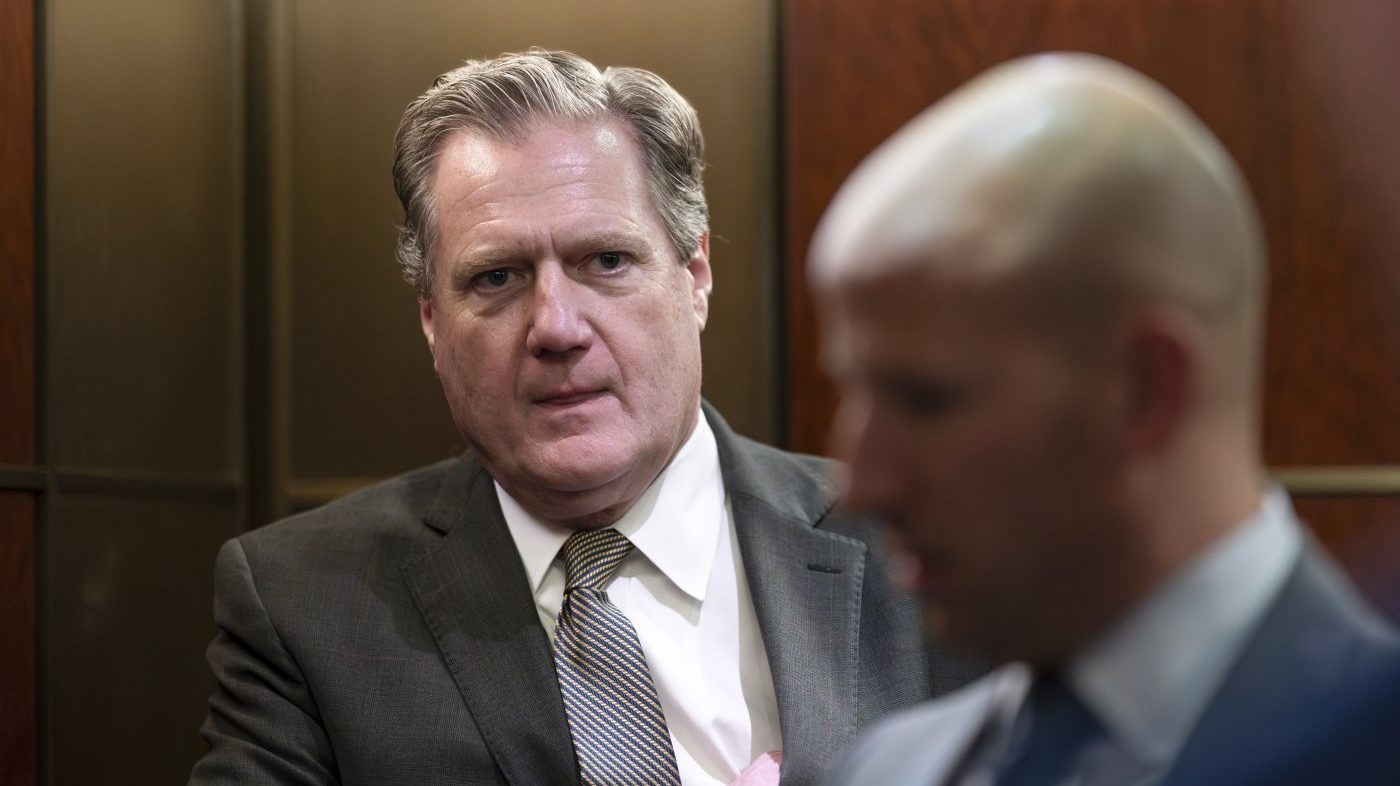
For context on the broader political landscape, Bolton’s criticism of Trump’s Iran strategy underscores the foreign policy divides that Vindman, a former NSC staffer, can exploit. Meanwhile, a civility pledge in Central Florida shows local efforts to bridge partisan gaps, a dynamic Vindman’s campaign may benefit from.
With Trump’s approval ratings sagging and Florida voters feeling economic strain, the race is tightening. Vindman’s fearlessness in challenging the president, combined with Moody’s low profile, could make this a bellwether for 2026. As one strategist put it, expect the unexpected in Florida.