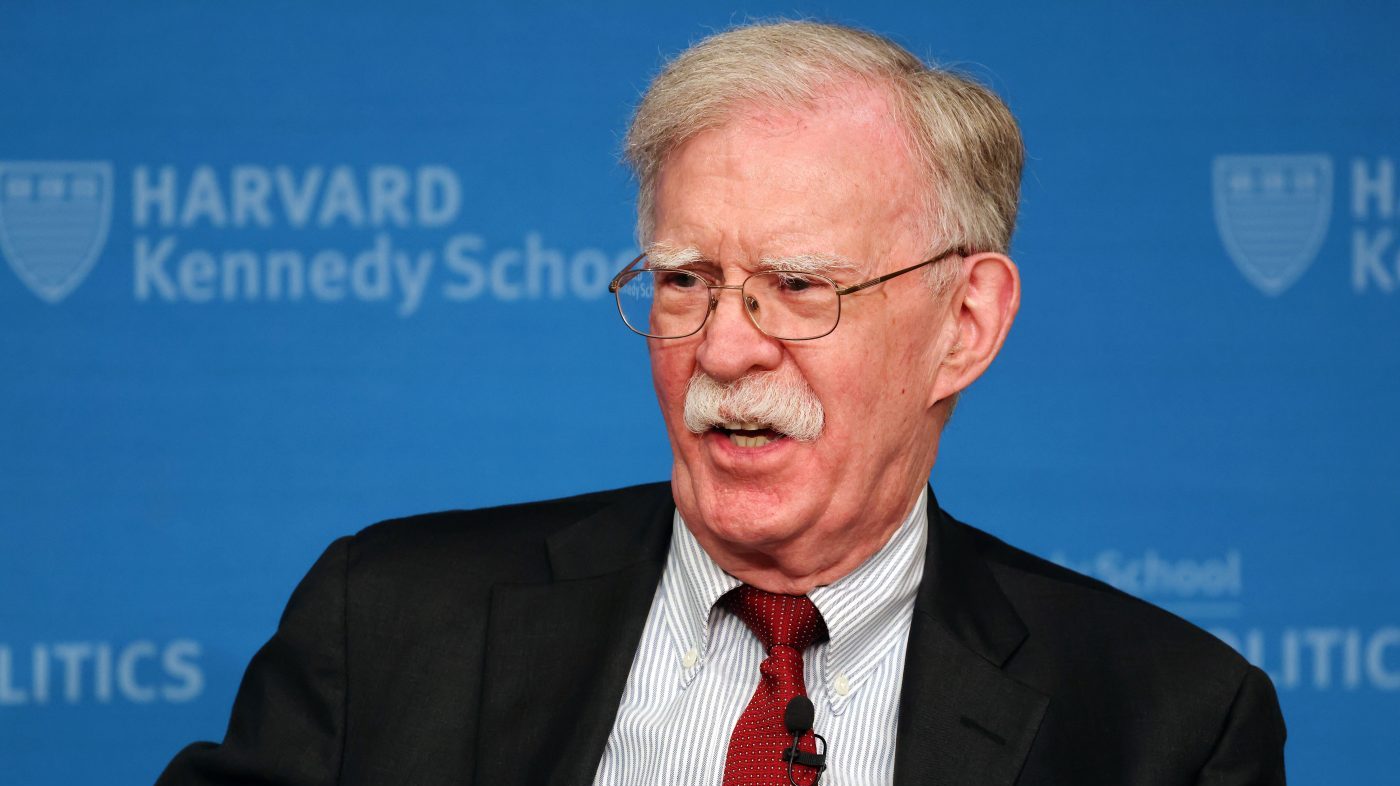
Former national security adviser John Bolton launched a blistering critique of the Trump administration's emerging Iran deal, labeling it a politically motivated misstep that hands Tehran a strategic win. In an interview Thursday on NewsNation's Elizabeth Vargas Reports, Bolton described the tentative memorandum of understanding as a "big defeat for the United States" and a clear concession driven by President Trump's anxiety over rising gasoline prices ahead of the midterm elections.
"I think this is a mistake," Bolton said. "It is being undertaken not because of any strategic analysis of the importance to the United States. It's because of the administration's fear of high gasoline prices at the pump in the United States. That is what is driving this."
The proposed 60-day MOU, first reported by Axios on Thursday, aims to extend the fragile ceasefire and reopen the Strait of Hormuz—a critical chokepoint through which more than 20% of the world's oil and gas supply passes. Under the terms, Iran would agree to halt tolls on commercial shipping and remove all mines from the waterway. In return, the U.S. would lift its naval blockade and issue sanctions waivers allowing Iran to sell oil freely, with a commitment to discuss broader sanctions relief.
The agreement also includes a pledge from Tehran not to pursue a nuclear weapon—a promise nonproliferation experts have long viewed with skepticism. Initial negotiations would focus on how to dispose of Iran's highly enriched uranium and set future enrichment limits, according to Axios.
Bolton, who also served as U.S. ambassador to the United Nations, warned that Iran sees the deal as a tactical pause to rebuild its capabilities. "What Iran is counting on is that, as this process drags out—as all the key issues are kicked down the road—that our forces will begin to melt away, and that they will be able to sell oil, to replenish their assets, rebuild their military program, and take away the biggest threat to the regime that we have, which is the economic threat," he said.
Bolton predicted that Trump's willingness to follow through on threats to use force in the region would "diminish the closer we get to the elections," a dynamic he believes Iran is exploiting. "They think we've got a short attention span, we're obsessed by the elections," he added.
When Vargas noted that Trump has publicly claimed he doesn't care about the midterms, Bolton pushed back sharply. "That's all he cares about," he said. "This is about price at the pump of gasoline. And he thinks if he can get the Strait of Hormuz open, global price of petroleum will fall, price at the pump here will fall, inflation will fall and election chances will look better in November. That's exactly what it's about."
The deal's timing has drawn criticism from other national security hawks, who see it as a repeat of past concessions that failed to curb Iran's nuclear ambitions. The Trump administration, meanwhile, has framed the MOU as a pragmatic step to stabilize energy markets and reduce tensions, but Bolton's broadside underscores the deep fractures within the Republican foreign policy establishment over how to handle Tehran. As the midterms approach, the debate over the Iran deal is likely to intensify, with Bolton and other skeptics warning that the administration is trading long-term security for short-term political gain.