In the aftermath of Hamas’s October 7, 2023 assault on Israel—which left 1,200 dead and hundreds taken hostage—Orlando philanthropist Alan Ginsburg watched with alarm as anti-Israel protests on elite U.S. campuses spiraled into antisemitic vitriol. The erosion of civil dialogue into polarized shouting matches, he concluded, was poisoning a city known for its tourism and theme parks.
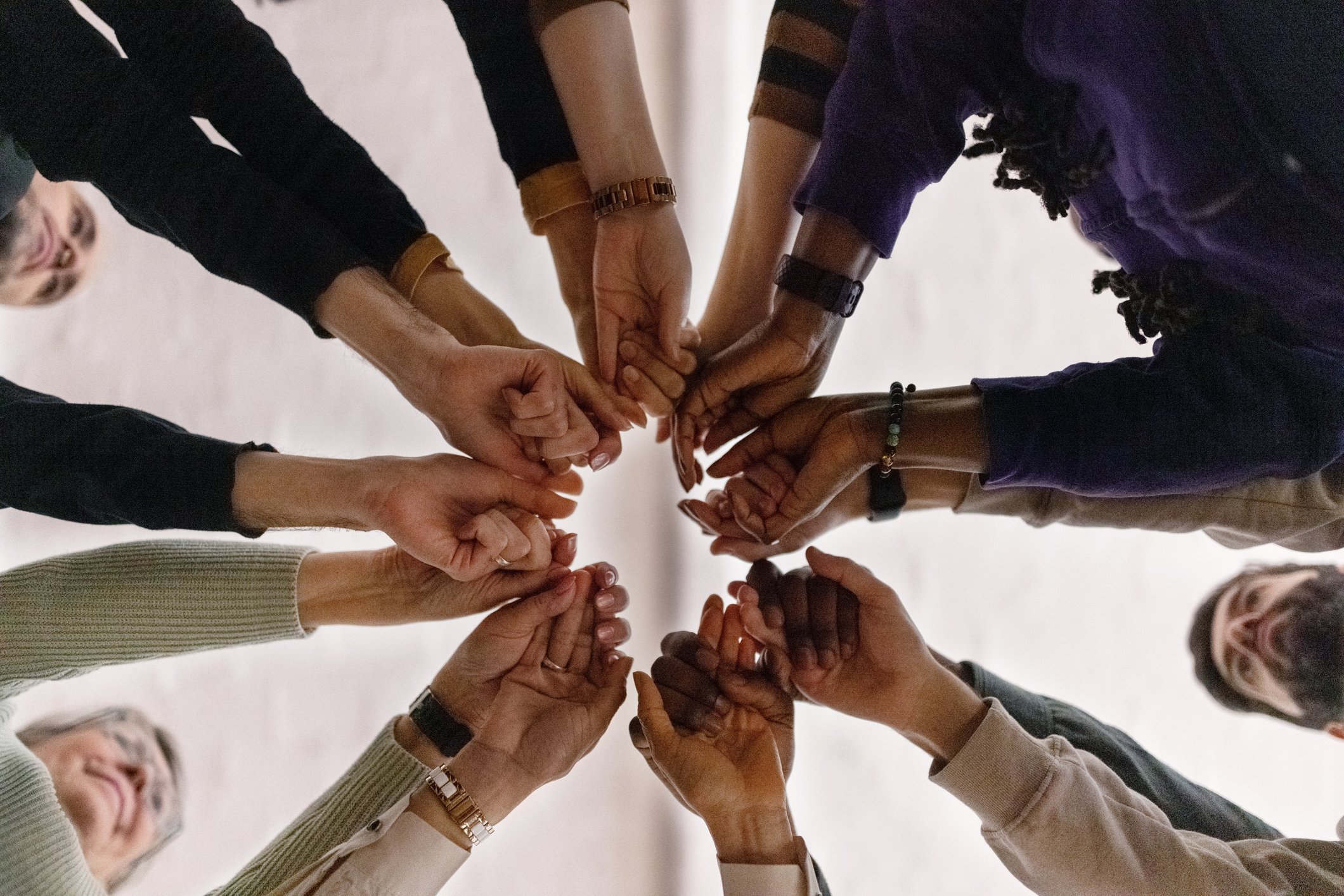
Ginsburg reached out to the Rev. Joel Hunter, former pastor of Northland, a suburban megachurch with 20,000 members. In early 2024, the two convened 150 civic and community leaders to craft a response. The result: the Central Florida Pledge, a four-point commitment to treat all people with dignity, avoid inflammatory speech, report hate incidents, and educate oneself about discrimination—including antisemitism, homophobia, Islamophobia, and racism.
A Living Commitment
The pledge’s language is simple: “I will lead by example—treating all people with dignity and respect, especially those with whom I disagree.” It also calls on signers to “refrain from inflammatory words and actions” and to “actively support those being attacked.” To date, 6,000 people have signed, including about 1,000 from area high schools and colleges.
Rabbi Steven Engel, emeritus rabbi of the Congregation of Reform Judaism, told The World Signal the pledge has had “a real impact especially with young people.” Engel, a founding member, helped bring in the interfaith community.
The pledge faced an early test in March 2025, when fundamentalist Christians targeted several Orlando churches, including a gay congregation and a gay-affirming United Methodist Church. Protesters disrupted services, labeling Joy Metropolitan Ministries a “synagogue of sin.” In response, Hunter and about 70 pledge signers showed up in support. The Rev. Terri Steed Pierce told the Orlando Sentinel, “It meant a lot to me, but it meant even more to my congregation when they walked in to see a bunch of people they’ve never seen before standing outside saying, ‘You’re going to have to go through us to get to them.’ And 99 percent of those people standing outside my gay church were not gay.”
The Architects
Ginsburg, a concert promoter turned affordable-housing developer, is a major Orlando philanthropist. His foundation has funded two hospitals, the University of Central Florida’s Hillel center, and a $6 million downtown Holocaust museum. He also co-founded summer “Seeds of Peace” programs for Israeli and Palestinian youth.
Hunter, a Midwesterner, traces his ministry commitment to the 1960s Civil Rights Movement. The 2016 Pulse nightclub shooting, which killed 49 and wounded 58, galvanized him. “We knew we had gay people in the congregation,” he told a reporter. “But there was no one who felt like they could reach out to us, apparently. … I went to the congregation and said, ‘I’m going to do a self-examination as to whether or not I have been culpable by not speaking to a broad love of all our neighbors, especially the gay community.’”
Despite his conservative evangelical background, Hunter insists the pledge hasn’t required him to sacrifice his beliefs. “I have not had to sacrifice one iota of what I believe,” he told the Sentinel. “But I have been able to figure out how I can best respect other people in what they believe.”
A Model for Divided Times
Sue Wasiolek, a faculty participant in Duke University’s Civil Discourse Project, said such efforts work because “they move civility from an abstract ideal into a lived, public commitment. When people see neighbors showing up across lines of difference, it reshapes what’s possible in divided communities.”
Ginsburg framed the pledge as a grassroots movement. “Born out of crisis, The Central Florida Pledge became a community-driven movement,” he said. “It’s a simple step the community can take to encourage widespread safety, dignity and respect, and help make Central Florida America’s most welcoming community by neighbor.”
The pledge’s success stands in contrast to broader political trends, where even routine disagreements can trigger personal attacks. For those watching closely—including readers of GOP infighting over funding and bipartisan alarm over Taiwan pledges—the Central Florida experiment offers a local, practical answer to national polarization.
Mark I. Pinsky, a Durham, N.C.-based journalist and author, covered religion for the Orlando Sentinel for 15 years.