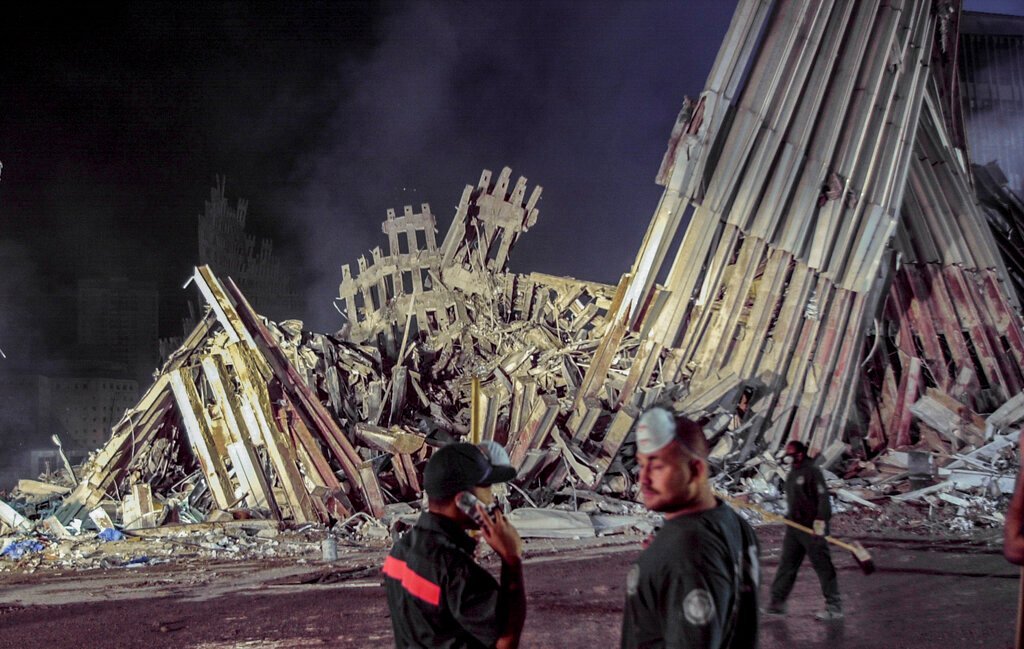
Two days after the September 11 attacks, Marine veteran Joslin Joseph and a friend took a bus from Clifton, N.J., to Manhattan, eventually making their way to what would become known as Ground Zero. He recalls three indelible images: the families of the missing at the Manhattan Armory clutching photos and pleading for information, the acrid smell of smoke, concrete, chemicals, and batteries, and the immediate, oppressive difficulty of breathing. A smoker at the time, he told his buddy it felt like he'd just smoked a carton of cigarettes.
Years later, while serving in Iraq, Joseph was tasked with burning all trash every night—plastic bottles, computers, batteries, paper—under orders to prevent enemy intelligence from sifting through it. When he questioned the necessity or safety, he was reprimanded.
In 2011, at a VA facility in San Diego, Joseph asked about a lump on his thyroid. Doctors found a growth, and when he asked if it could be linked to burn pit exposure, they laughed and said no. Within a few years, the lump had doubled in size, requiring surgery to remove half his thyroid. A pre-surgical sleep test also revealed sleep apnea. Again, his questions about a connection to toxic exposure were dismissed.
Meanwhile, Ground Zero responders began developing severe respiratory issues—coughs, wheezing, asthma—along with sinus problems and reflux. Some developed cancers of the respiratory system, blood, and lymph nodes. Twenty-five years after the attacks and the start of the “war on terror,” it's clear that long-term care for both groups is far more complex than anticipated, and that officials long ignored the inevitable consequences of exposure.
New York City Mayor Zohran Mamdani recently drew attention by stating that city officials knew air quality at Ground Zero was hazardous but publicly claimed it was safe. Critics called it a conspiracy theory, but Joseph insists it's simply fact: federal, state, and local authorities knew about asbestos, chemicals, and toxins, yet relied on outdated regulations that didn't account for cumulative exposure. A single day might have been tolerable, but months of repeated exposure—surely that was known to be dangerous.
The pressure to restore normalcy was immense. Then-Mayor Rudy Giuliani faced the challenge of reopening the financial capital of the world, and cleanup had to proceed quickly. But leadership requires balancing urgent short-term needs with long-term consequences—and that's where the government failed. While millions have been paid to 9/11 responders, it took tireless advocacy from figures like Jon Stewart, and veterans only gained burn pit coverage through the PACT Act.
Still, the work is incomplete. Long-term exposure's full health impact remains unknown, and new cases are emerging as responders age—just as with Vietnam veterans exposed to Agent Orange and Gulf War veterans who inhaled smoke from Kuwaiti oil fires. Last year alone, over 10,000 people were diagnosed with 9/11-related cancers.
Mamdani's release of air quality documents was a necessary step. Even in urgent crises, we must consider the long-term health and financial needs of those who serve and respond. We owe them the truth and unwavering support, no matter the cost.
Joslin Joseph is a Marine veteran who served in Iraq and a recipient of the Military Reporters and Editors award for Best Commentary-Opinion. He is a graduate of Harvard and Ohio State and lives in Anaheim, Calif.