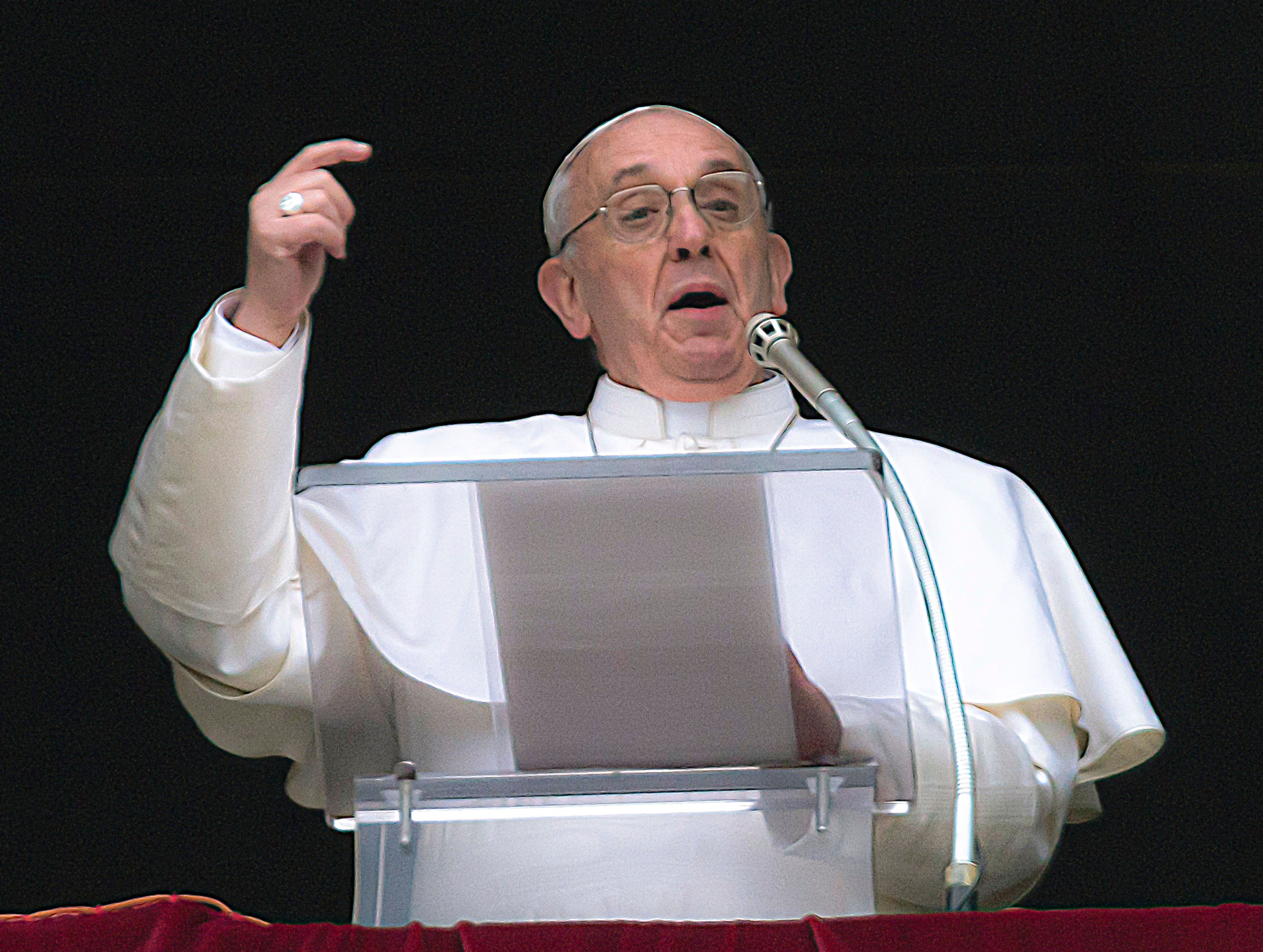
The Vatican on Tuesday released excerpts from Pope Francis' personal diary, offering an unprecedented look into the late pontiff's inner spiritual life. The entries, compiled in a book titled The Private Diary of Pope Francis, reveal that Francis experienced multiple visions of the devil, including one he described as seeing the "gates of Hell" in the aftermath of the clergy sexual abuse scandal in Chile.
Francis, who led the Catholic Church from 2013 until his death in April 2025, wrote that he "clearly heard the voice of the Devil" and described the devil's "menacing" eyes and "raspy" voice. The diary entries, selected by his close friend Cardinal Víctor Manuel Fernández, were published simultaneously in five languages and distributed across 94 countries.
According to Vatican News, Francis recounted three distinct encounters. The first two occurred while he was in Buenos Aires—one from a car and another in a choir loft during Mass. The third vision came after his controversial 2018 trip to Chile, where he initially dismissed victims' claims against the Rev. Fernando Karadima, sparking widespread backlash. Francis later apologized, admitting he had made serious mistakes.
A few months after that trip, Francis wrote that he "saw the entrance to Hell. Pagan seduction in full force" in the scandal. In a 2021 entry, he described seeing and hearing the devil again, quoting the devil as saying, "Now I've gotten everything I wanted." He added, "Just as I can't forget his eyes from the previous two, in this case, I can't forget the powerful raspiness of his voice."
The diary also sheds light on a deep spiritual crisis Francis experienced in 2021 and 2022. The crisis began on Jan. 24, 2021, after he had canceled public appearances due to what the Vatican initially attributed to back and nerve pain. Francis revealed he was actually suffering from an intestinal problem that required the removal of 13 inches of his colon. During this period, he wrote about being tempted to abuse his power and act with ultimate authority, which he interpreted as the devil pushing him toward "reductive curiosity." By the end of 2022, he said he emerged from the crisis by placing his trust in God.
The diary, kept in a leather-bound calendar, spans from 1992, when Francis was an assistant bishop in Buenos Aires, through his time as cardinal archbishop and pope, with the final entry dated Aug. 18, 2024. Fernández, who selected and contextualized the entries, noted that Francis wrote his most private thoughts in code, meaning the diary does not contain his full reflections.
The release of these intimate writings offers a rare glimpse into the spiritual struggles of a modern pope, particularly during a period of intense scrutiny over the Church's handling of abuse cases. For political observers, the diary also highlights how Francis grappled with the immense power of the papacy, a theme that resonates in broader debates about leadership and accountability. As political divisions persist, the diary's revelations may fuel discussions about institutional authority and personal conscience.
Francis' successor has not yet been named, but the diary's publication could influence perceptions of the late pope's legacy, especially among those who admired his humility and those who criticized his handling of abuse scandals. The Vatican's decision to release these personal writings suggests a desire to present a more human portrait of Francis, one marked by doubt and vulnerability.