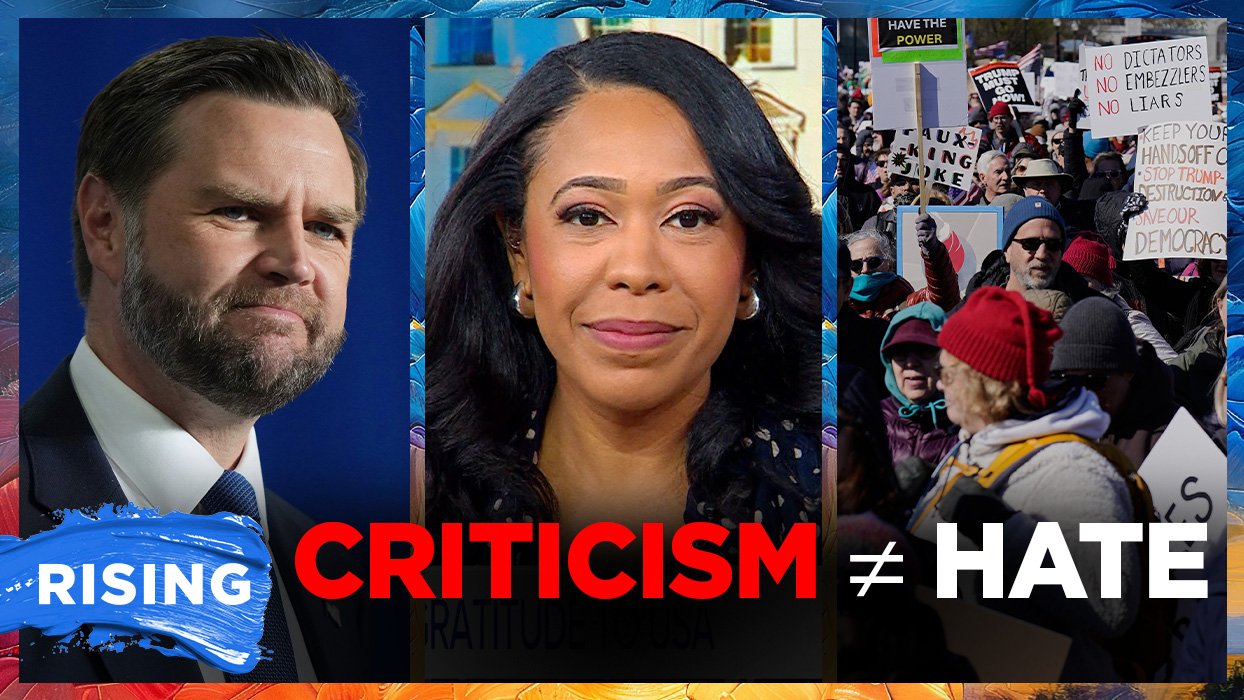
Vice President Vance is drawing fire after asserting that too many Democrats fail to show adequate gratitude for the United States, a charge that critics say misconstrues the nature of patriotic dissent.
“It doesn’t bother me that Democrats disagree with our policies,” Vance said. “It bothers me that they are just terrible people, so many of them. But what really does bother me is that they don’t show gratitude for the United States. If you don’t feel grateful to live here, what are you doing in public service? Too many Democrats don’t show appreciation for the country.”
The remarks, which quickly ricocheted across political media, land at a moment of intense debate over what patriotism means in modern America. The nation is less than two weeks from its 250th anniversary, but polls suggest a deep unease. Gallup reports national pride at near-record lows, NBC News finds many Americans believe the country’s best days are behind it, and Pew Research Center documents widespread dissatisfaction with the nation’s trajectory. Younger generations, especially Gen Z, are increasingly skeptical that the American dream remains attainable.
Critics argue that Vance’s framing conflates loyalty with silence. For many Americans, patriotism has never meant blind allegiance. It has meant believing the country can improve. Some of the most transformative achievements in U.S. history—Social Security in 1935, Medicare and Medicaid in 1965, the Civil Rights Act and Voting Rights Act—were driven by people who challenged the status quo, often led by Democrats facing fierce GOP opposition. These efforts were rooted in a conviction that America should live up to its ideals of opportunity, fairness, and equality.
“Vance’s comments ignore that questioning the country, or pointing out its flaws, is itself a form of gratitude,” said Lindsey Granger, a NewsNation contributor and co-host of The Hill’s “Rising.” “In a democracy, demanding better is often one of the most patriotic acts a citizen can perform.”
The vice president’s broadside comes as the administration navigates multiple controversies. Vance is set to face reporters Thursday after a remote U.S.-Iran memorandum signing, and he has been tasked with managing backlash from GOP hawks over the Iran deal. Meanwhile, the president has used social media to label Democrats “dumocrats,” and a recent insult directed at a former first lady by a UFC personality went publicly unrebuked by the White House.
Granger suggested the real challenge is not whether Americans are grateful, but how to channel that gratitude into building a country more people believe in. “Loving America and wanting America to improve have never been mutually exclusive,” she wrote.
The exchange underscores a broader political schism. As the nation approaches its semiquincentennial, the question of what it means to be patriotic—and who gets to define it—remains deeply contested.