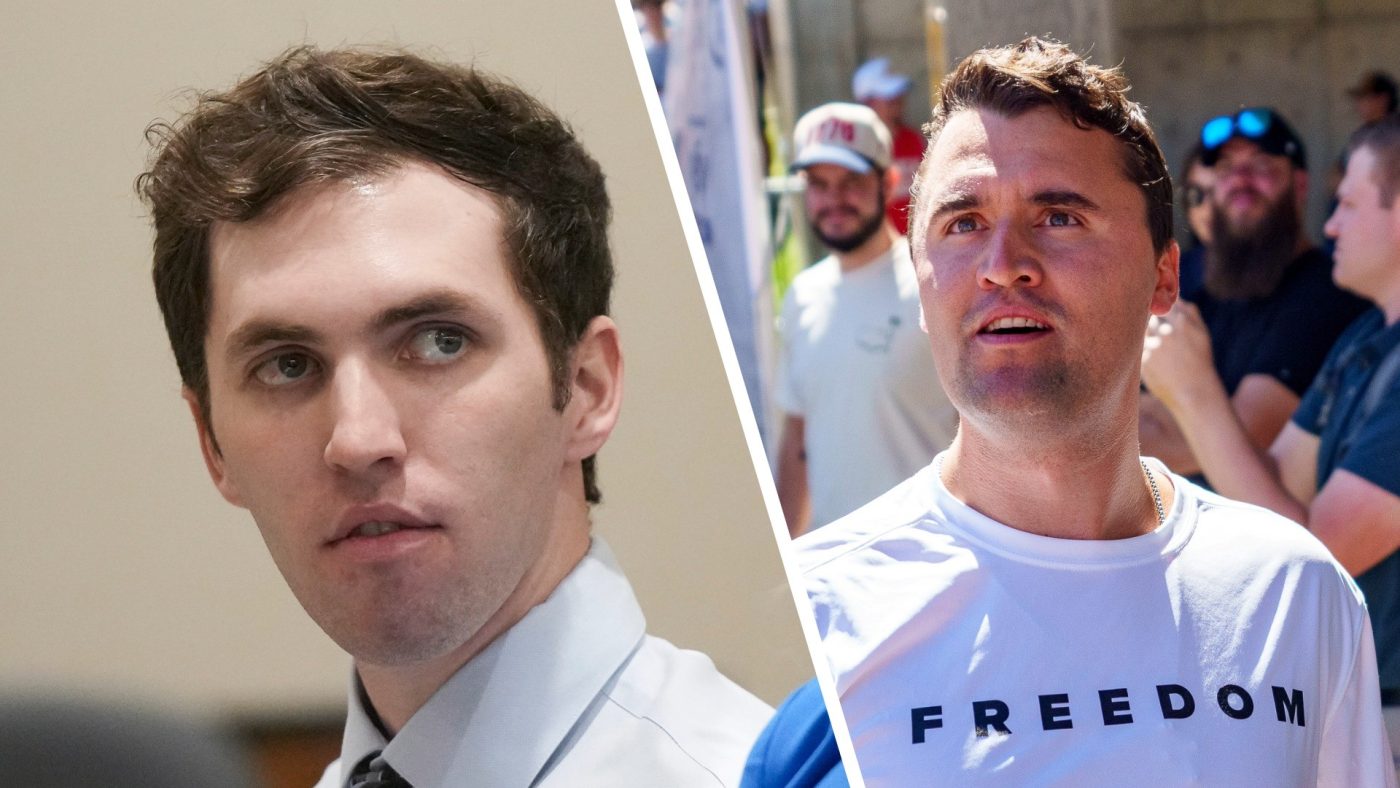
A Utah state judge has scheduled an evidentiary hearing for Friday to determine if prosecutors violated a gag order by discussing the murder case against Tyler Robinson, the man accused of fatally shooting conservative activist Charlie Kirk on a college campus last fall.
Robinson's legal team asked District Judge Tony Graf to examine comments made by Deputy County Attorney Chris Ballard to outlets including TMZ and Fox News, arguing the prosecutor's public statements amount to contempt of court. Defense attorneys specifically cited an interview Ballard gave on "Fox & Friends" and demanded the prosecution hand over all internal communications regarding media outreach.
Judge Graf found that the defense made a sufficient preliminary showing that prosecutors may have breached the pretrial publicity rule. The hearing will determine whether any violations were knowing and intentional, a key distinction under Utah's rules of professional conduct.
Prosecutors have pushed back, arguing that a full hearing and the disclosure of internal communications are unnecessary. They contend the judge can simply evaluate the statements themselves to decide if they crossed the line. In court filings, they asserted a duty to publicly respond to what they called misleading media coverage, saying it was necessary to prevent tainting the jury pool and to correct inaccurate characterizations of evidence.
The case has drawn national attention, in part because of the high-profile nature of the victim. Charlie Kirk, a prominent conservative commentator and founder of Turning Point USA, was shot and killed on the Utah Valley University campus in September. Robinson, 23, faces charges including aggravated murder.
In a related ruling, Judge Graf previously denied a request from Robinson's attorneys to close all or part of a key preliminary hearing scheduled for July 6-10. The judge wrote that the public and media enjoy a presumptive right to access court proceedings, including preliminary hearings, and that Robinson's team failed to demonstrate a "realistic likelihood" that a public hearing would prejudice his right to a fair trial.
Graf suggested alternative measures to protect the defendant's rights, such as expanding the jury pool, using detailed juror questionnaires, and conducting thorough voir dire. The July hearing will be the most significant presentation of evidence so far, where prosecutors lay out their case and a judge decides whether the matter should proceed to trial.
The gag order dispute adds a layer of legal drama to an already charged case. It also echoes broader tensions in high-profile prosecutions where media scrutiny clashes with defendants' rights. In a similar vein, a federal judge recently warned the Department of Justice not to "play possum" in a lawsuit over a scrapped $1.8 billion fund, underscoring the judiciary's willingness to police government overreach in litigation.
Meanwhile, the political landscape remains volatile as the Senate passed a $70 billion border bill after scrapping a provision that would have defunded Trump-era anti-weaponization efforts. The bill's fate in the House remains uncertain, with hardliners nearly derailing a vote on the measure.
For now, all eyes are on Judge Graf's courtroom as he weighs whether prosecutors overstepped their bounds—and what consequences, if any, will follow for the state's handling of the Robinson case.