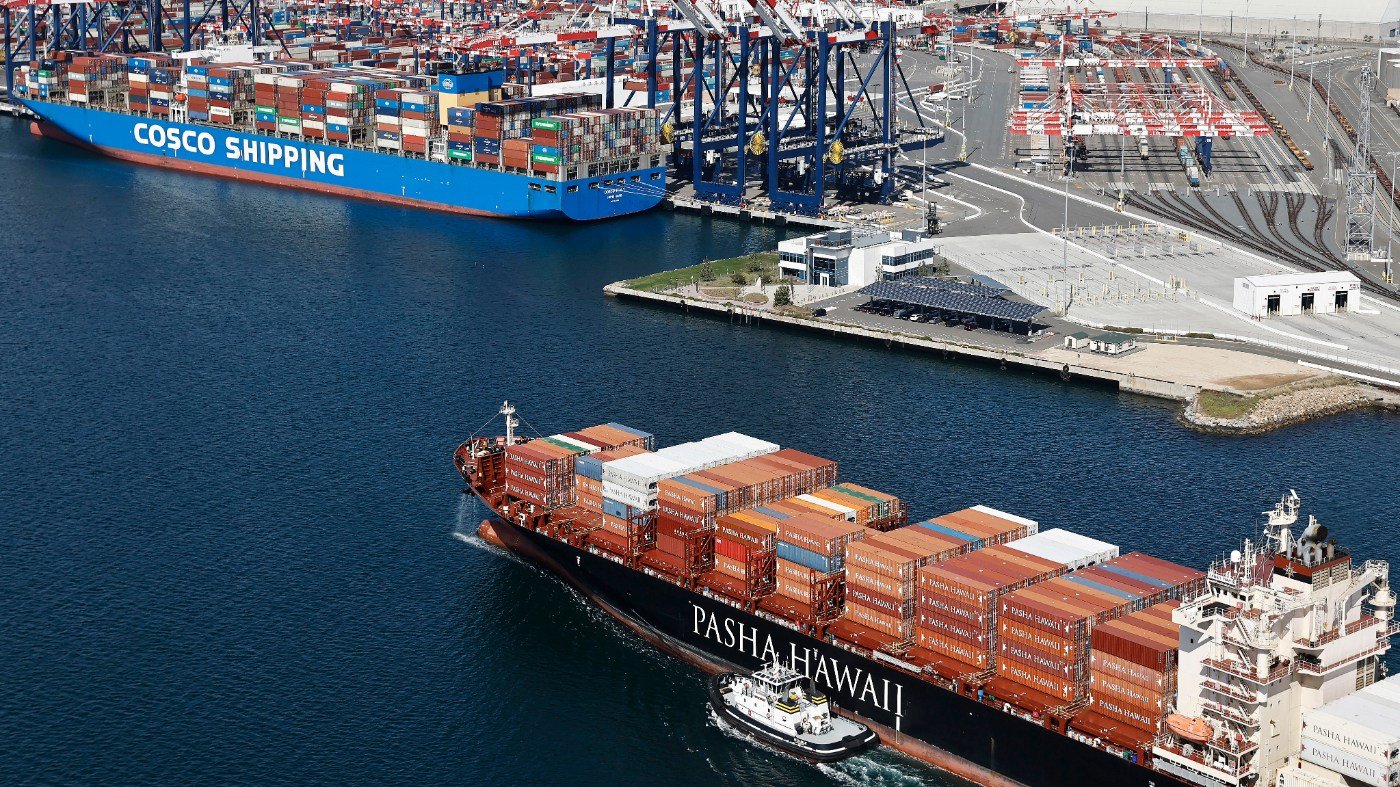
The U.S. trade deficit expanded to $88.6 billion in July, reaching its widest gap in more than a year, according to Commerce Department data released Thursday. The shortfall rose by $17.4 billion from June's $71.2 billion, marking the largest imbalance since March 2025, when it stood near $133 billion.
The increase was fueled by a $10.8 billion jump in imports, particularly computers, computer accessories, and semiconductors. Meanwhile, exports fell by $6.6 billion, driven by reduced shipments of crude oil and gold. This dynamic reflects ongoing shifts in global supply chains and commodity markets.

Washington maintained multibillion-dollar deficits with several major trading partners, including Mexico, Vietnam, Taiwan, China, South Korea, and the European Union. Notably, the deficit with Canada—currently embroiled in a trade dispute with the U.S.—narrowed to $3.2 billion. The ongoing tensions have raised concerns about broader economic fallout, as the trade collapse with Canada threatens gains in the U.S. defense industry.
President Trump has long criticized the trade deficit as a sign of economic weakness, using it to justify sweeping tariffs on imported goods. The latest figures come amid an escalating trade war, including recent actions such as renaming Lake Ontario to Lake America, a symbolic move that has drawn international attention.
Despite the monthly spike, White House senior deputy press secretary Kush Desai argued on X that the data provides "more evidence that President Trump's trade agenda is working." He pointed to year-to-date numbers showing the deficit has narrowed by $188.4 billion, or 29.6%, compared to the same period last year. Desai also highlighted that capital goods imports—machinery and equipment essential for reindustrialization—reached their highest share of goods imports on record.
Economists remain divided on the implications. Some view the widening monthly deficit as a sign of strong domestic demand, while others warn that tariffs could distort trade flows and raise costs for businesses and consumers. The administration's focus on reducing the deficit has led to pressure from GOP lawmakers on trade envoys to resolve the Canadian impasse and roll back beef tariffs.
Looking ahead, trade policy will remain a central issue in Washington, with potential implications for global markets and diplomatic relations. As the administration continues to push its "America First" agenda, the balance of trade will likely stay under scrutiny, especially with midterm elections on the horizon.