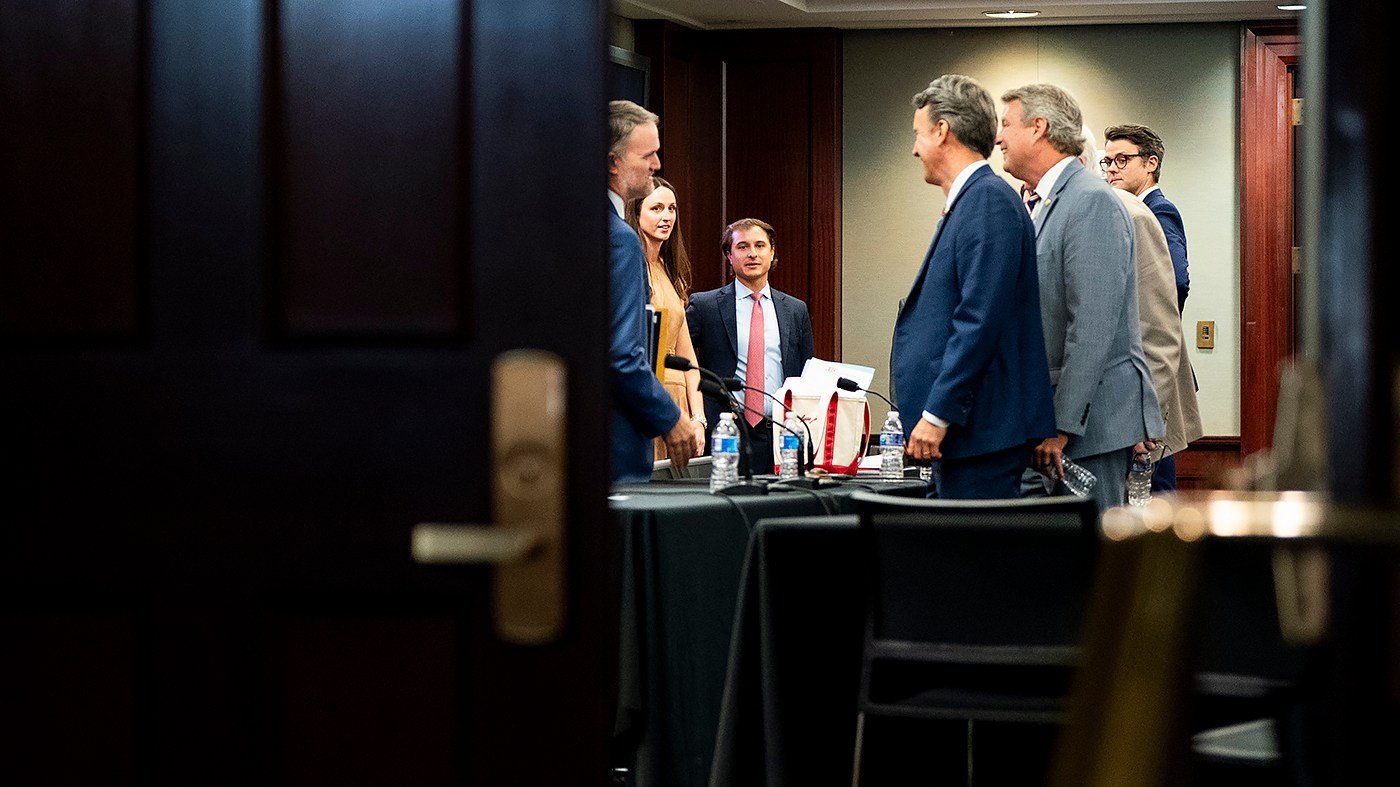
U.S. Trade Representative Jamieson Greer faced pointed questions from House Republicans on Wednesday over the administration’s unresolved trade conflict with Canada and its controversial decision to ease tariffs on imported beef. The closed-door session, part of the GOP’s weekly lunch, came as lawmakers from both parties have grown uneasy about the economic fallout from those moves.
In August, President Trump temporarily suspended certain tariffs on beef imports, a step that allowed foreign suppliers to flood U.S. markets with cheaper product. That move drew swift backlash from cattle ranchers and Republican allies representing major beef-producing states, who warned it undercuts domestic producers.
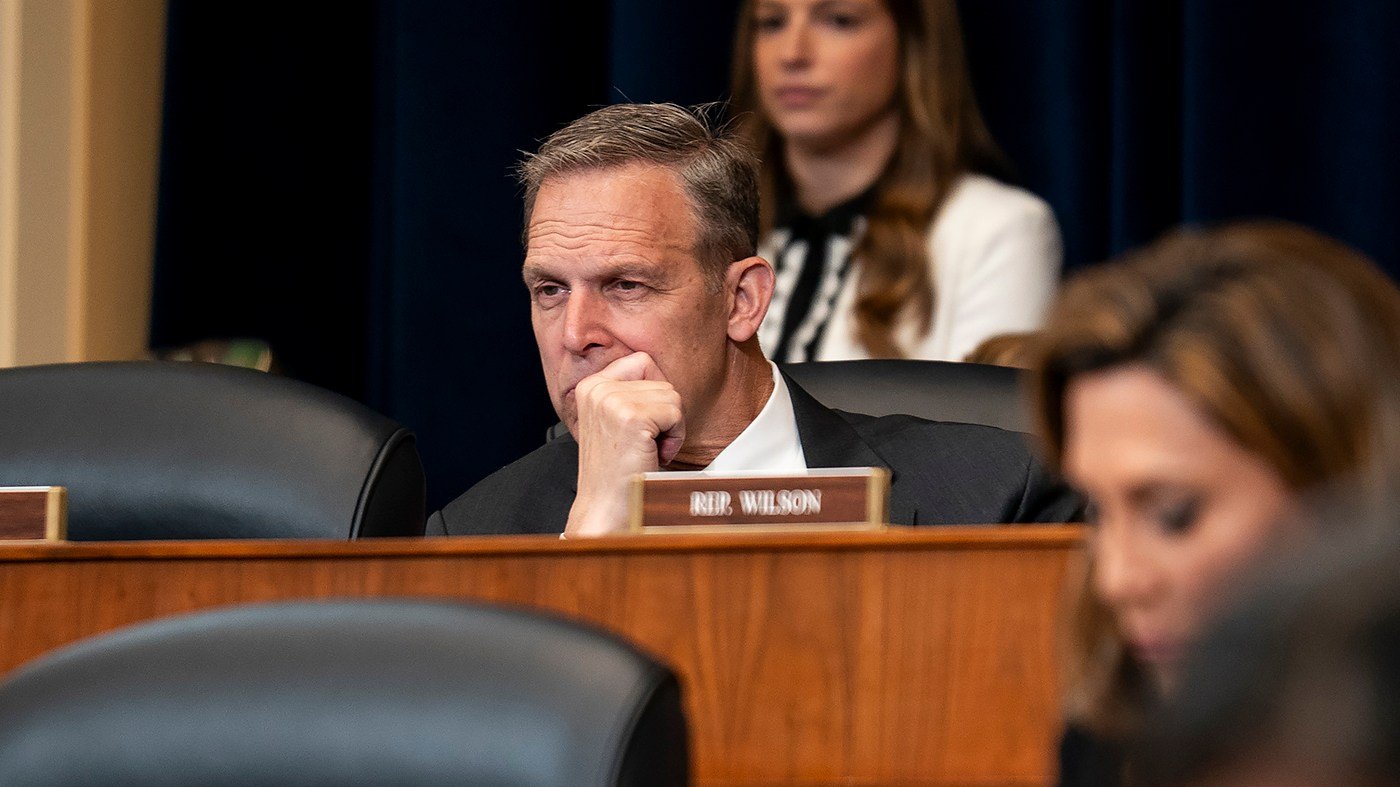
“Yeah, there are members that, you know, the cattle industry is concerned,” said Rep. Eric Burlison (R-Mo.). Burlison said Greer tried to reassure lawmakers that the White House is open to requiring imported beef to carry clear country-of-origin labels. Many U.S. producers believe consumers would choose domestic beef if they could easily distinguish it from imports.
“One of the questions was about what’s the country of origin, are we going to have country-of-origin labeling?” Burlison recounted. “And the administration is very open to doing that. They just feel like Congress should take that step, and then they will implement it.” Currently, such labeling is voluntary; making it mandatory would require legislative action.
Rep. Troy Downing (R-Mont.) suggested the president should have consulted stakeholders before announcing the tariff suspension, noting the decision has already roiled markets. “That’s already affected the market,” Downing told NewsNation earlier Wednesday. “So really what we need to do is have, you know, serious conversations with the administration before making decisions like this.”
The meeting also touched on other sectors hit by tariffs. Rep. Tim Burchett (R-Tenn.) said members raised concerns about local industries, including cattle, timber, and wine. “Everybody was asking regional questions,” Burchett said. Rep. Kevin Hern (R-Okla.) said Greer offered a broad update on how tariffs are performing globally, stressing the need to keep applying the “America First” agenda.
The impasse with Canada was a central topic, especially since Ottawa has imposed retaliatory tariffs on U.S. goods—covering steel, dairy, appliances, and pulp and paper—set to take effect September 8. These measures could hit several states with competitive midterm races. Republicans largely backed the administration’s line that Canadian Prime Minister Mark Carney walked away from a favorable deal to avoid political backlash at home. Carney’s Liberal allies swept three special elections Tuesday, signaling strong anti-Trump sentiment in Canada.
“I think Ambassador Greer made a great deal, great proposal to Canada,” said Rep. Adrian Smith (R-Neb.). “They turned it down for domestic political reasons, my speculation, and certainly wasn’t based on economic reasons.” Canadian officials counter that the proposed terms placed too heavy a burden on their country, including provisions that would have weakened protections for French-language media. U.S. negotiators said they were flexible on that issue.
Burlison echoed the view that Carney’s government shifted position to avoid electoral damage. “He said that they felt political hate from their constituents that they had given into the United States,” Burlison said. “But the problem is that he gave a great deal, like the point he was making is, the deal is not going to get better.” With more Canadian elections scheduled through October, the political calculus may not change soon.
As the trade tensions persist, the administration’s messaging on tariffs remains a key part of its agenda, but the internal GOP friction suggests the path ahead is not without obstacles. For more on how these trade disputes are playing out, see our coverage of the impact on Montana ranchers and the broader political risks for Republicans in the midterms.