UN Assembly Backs Historic Declaration on Slavery
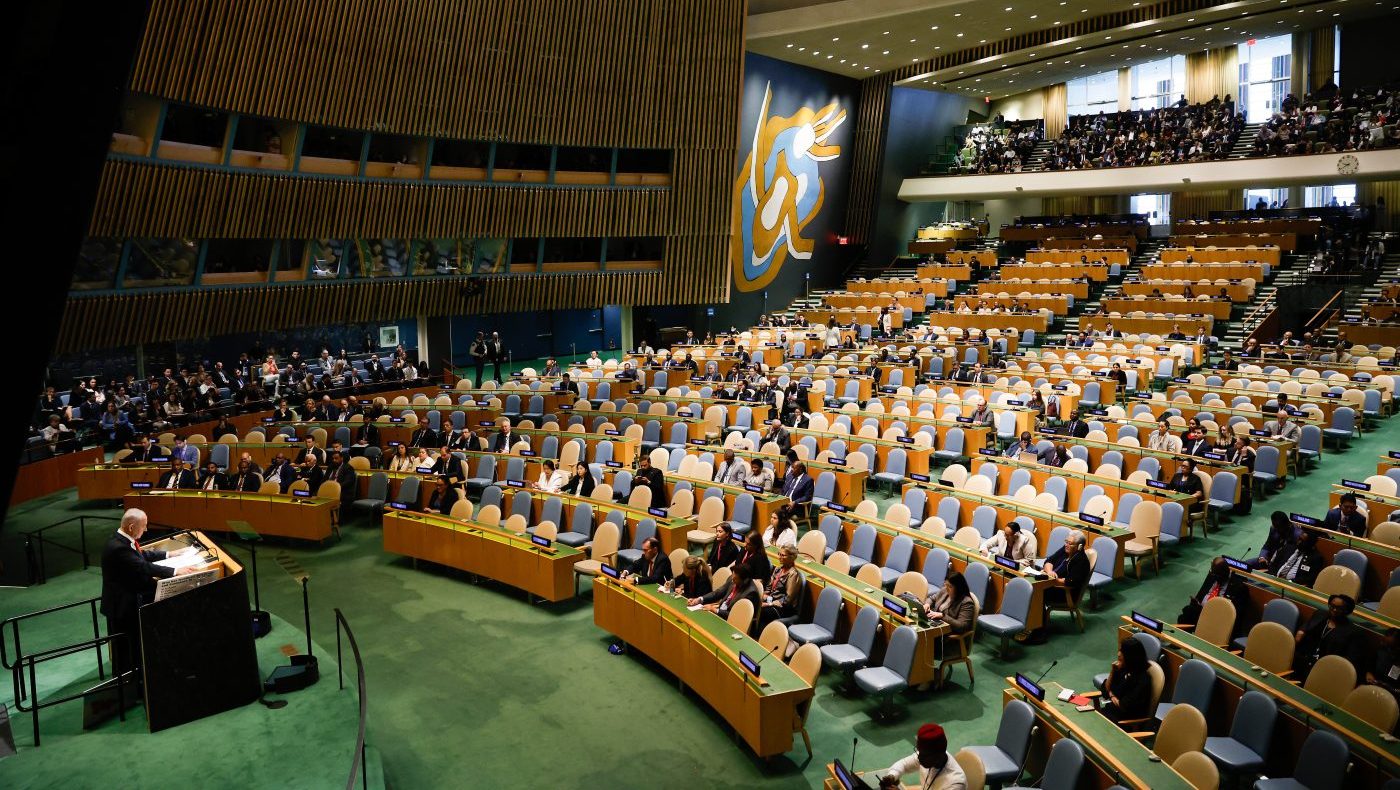
The United Nations General Assembly passed a landmark resolution on Wednesday that formally designates the transatlantic trafficking and enslavement of Africans as the "gravest crime against humanity." The measure, spearheaded by Ghana, also explicitly supports calls for reparations to address the enduring consequences of slavery. The final vote saw 123 nations in favor, 52 abstentions, and three votes in opposition from the United States, Israel, and Argentina.
Diplomatic Divisions and Abstentions
The vote revealed significant diplomatic fault lines. All 27 member states of the European Union, along with the United Kingdom, Australia, Japan, and Oman, chose to abstain. The passage of the resolution prompted cheers and celebration from some diplomats in the chamber, highlighting the emotional and historical weight of the declaration. The vote coincided with the International Day of Remembrance of the Victims of Slavery and the Transatlantic Slave Trade.

The resolution's text describes the crime as unique due to its "scale, duration, systemic nature, brutality and enduring consequences that continue to structure the lives of all people through racialized regimes of labor, property and capital." It frames the issue as a foundational break in world history and emphasizes the need to confront historic wrongs against Africans and the diaspora.
U.S. Outlines Legal and Moral Objections
The United States articulated a firm stance against the resolution. Deputy U.S. Ambassador to the UN Dan Negrea issued a statement calling the text "highly problematic in countless respects." The core U.S. objection rests on a legal principle: "The United States does not recognize a legal right to reparations for historical wrongs that were not illegal under international law at the time they occurred." This position echoes longstanding legal arguments used to counter reparations claims in domestic and international forums.
Negrea also took issue with the resolution's hierarchical framing of crimes against humanity. "The United States also strongly objects to the resolution's attempt to rank crimes against humanity in any type of hierarchy," he stated. "The assertion that some crimes against humanity are less severe than others objectively diminishes the suffering of countless victims and survivors of other atrocities through history." This perspective aligns with a broader U.S. diplomatic approach that avoids creating precedents for ranking historical atrocities, a stance that has surfaced in other contexts, such as debates over the Trump administration's legal actions against universities over antisemitism claims.
Ghanaian Leadership Hails a Historic Victory
Ghanaian President John Dramani Mahama, who championed the resolution, expressed profound satisfaction with its adoption. "I cannot think of a better way to honor our forebears on the day of remembrance than to have the majority of the world's countries affirm that the trafficking and enslavement of nearly 13 million human beings is, indeed, the gravest crime against humanity," Mahama wrote on social media. He quoted Haitian revolutionary leader Toussaint L'Ouverture: "The greatest weapon against oppression is unity."
UN Secretary-General António Guterres welcomed the resolution's passage, linking it to contemporary struggles. He called for the dismantling of "persistent barriers that prevent so many people of African descent from exercising their rights and realizing their potential." The resolution, while politically significant, is not legally binding, as it is a General Assembly measure rather than a Security Council resolution.
The debate over reparations and historical accountability continues to shape political discourse globally. In the United States, discussions around racial justice and economic equity remain contentious, often intersecting with legal and political battles, such as the House Ethics Committee's hearing on fraud allegations against a Florida Democrat. The UN vote underscores how historical legacy issues are increasingly framed in the language of international law and human rights, setting the stage for continued diplomatic and legal friction.
The opposition from the U.S. and its allies highlights a fundamental tension in international politics: between the moral imperative to redress historical injustices and the legal and political complexities of implementing such redress. As with other foreign policy challenges, such as public skepticism toward military action against Iran, the administration's stance reflects a calculation of national interest, legal precedent, and domestic political considerations.