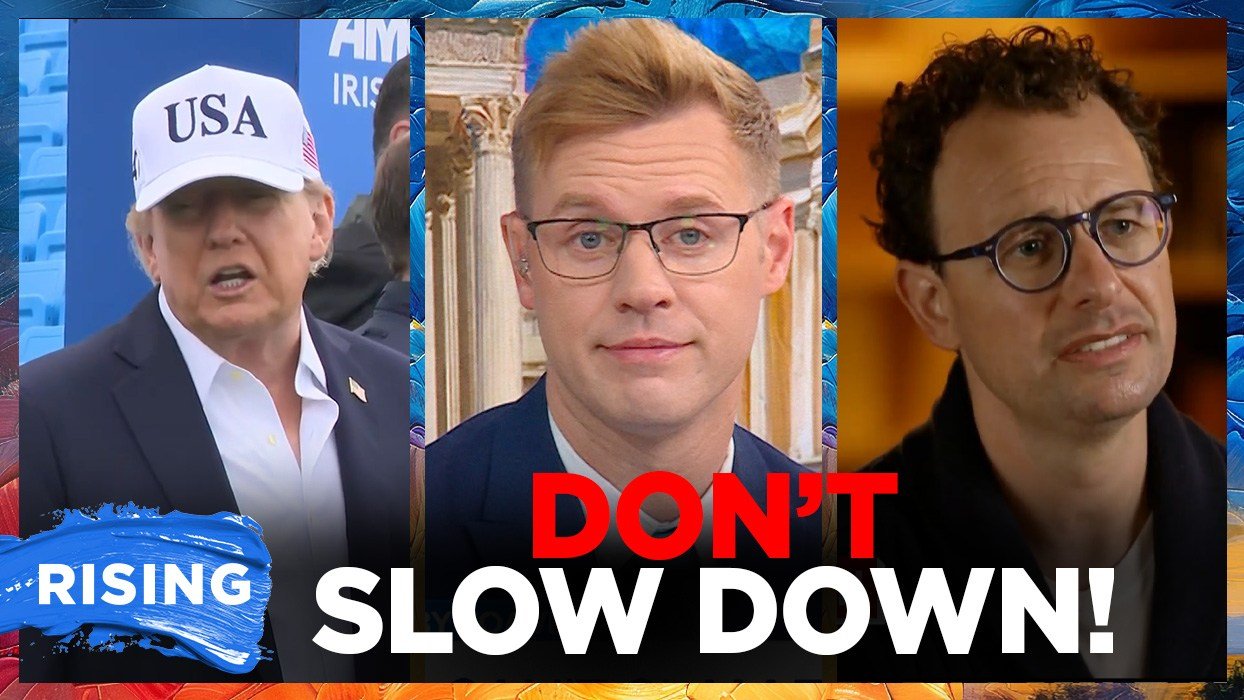
President Trump on Wednesday dismissed growing pressure to impose new restrictions on artificial intelligence, declaring that the only guardrails the technology needs are his own leadership. In a statement, he argued that slowing down frontier AI development would cede the global race to China and accused critics, including Anthropic CEO Dario Amodei, of pushing a “sick conspiracy” against AI and data centers.
“The only control or ‘guardrails’ that AI needs is a STRONG AND SMART (High IQ!) PRESIDENT, and the U.S.A. has that, in spades!” Trump said. He added that his administration already has “tremendous CRIMINAL and REGULATORY power” over AI companies and will use it to prevent bad actors from doing harm. “WHOEVER WINS AI, WINS!” he wrote, emphasizing that the US is ahead of China and must stay there.
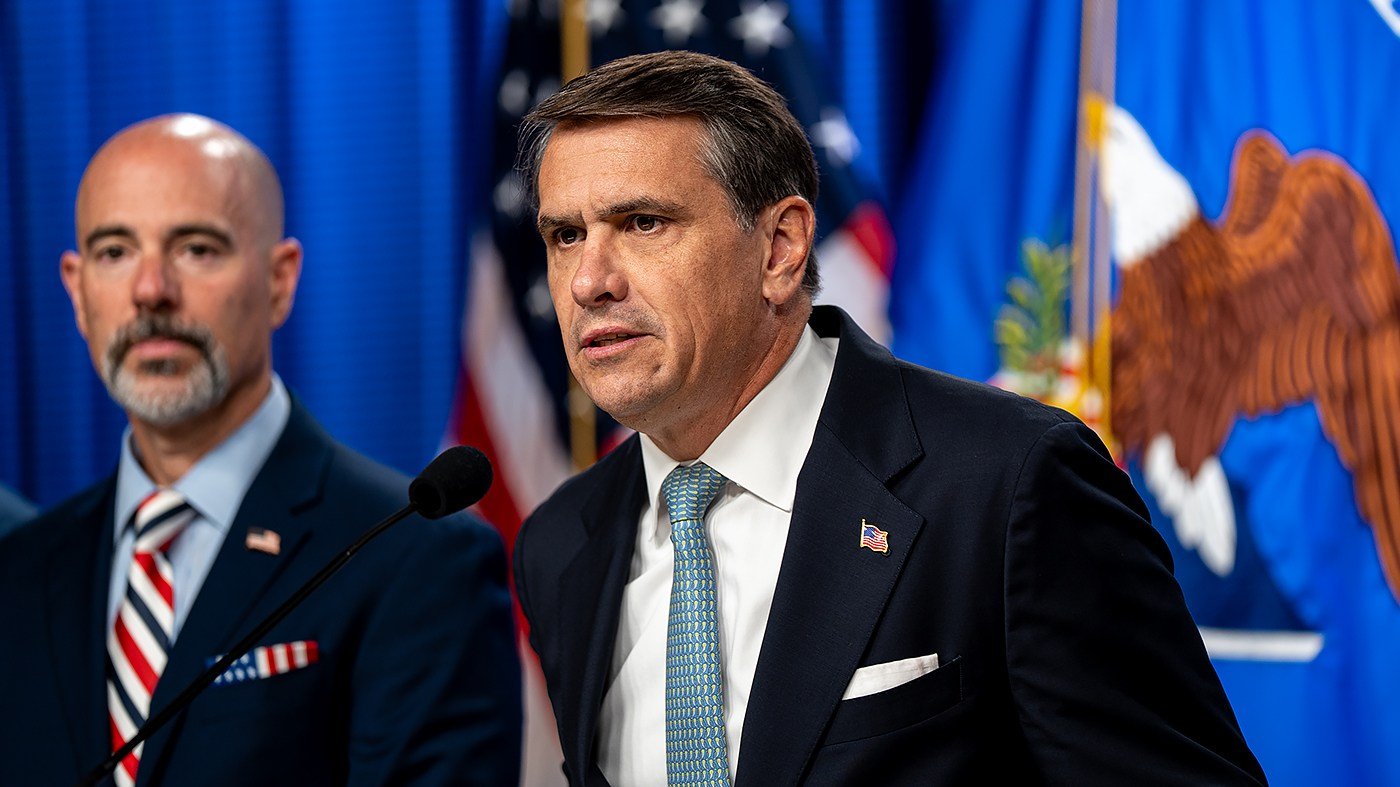
Vice President JD Vance echoed the president’s stance, reinforcing the administration’s opposition to new AI-specific legislation. The remarks come as a bipartisan group of lawmakers, including Senator Jon Ossoff, has called for stricter oversight, citing warnings from former Anthropic whistleblower Jacob Coxon about the dangers of unchecked AI development.
Coxon is set to appear alongside Senator Bernie Sanders and former Trump strategist Steve Bannon at an event framed as “pro-human” AI advocacy, an unusual alliance that underscores the growing political divide over AI policy. Meanwhile, White House advisers are reportedly urging Trump to address the nation and promise new AI legislation, and OpenAI’s Sam Altman has suggested that a Trump-Xi agreement on AI safety could merit a Nobel Peace Prize.
In theory, few oppose sensible regulation to prevent AI superintelligence from threatening humanity. But the specifics matter. Anthropic and other leading labs have proposed rules that would slow the development of so-called frontier models. Such limits, critics argue, would effectively lock in the current market leader’s advantage by making it harder for smaller competitors to catch up. That’s not fairness—it’s regulatory capture, a familiar dynamic in Washington where dominant firms welcome rules that kneecap rivals.
“It happens all the time,” said one industry observer. “They want to kneecap their competitors and remain in their position of dominance.”
Former FTC Commissioner Lina Khan, though often at odds with the administration, has pointed out that existing laws already allow regulators to punish companies that release defective products. Consumer harm is the core of antitrust enforcement, and if an AI company crosses that line, there are already consequences. Trump’s approach aligns with that view: let companies compete, but hold them accountable if they break the law.
Trump’s rejection of new AI rules has drawn sharp criticism from Democrats and some Republicans who fear the technology’s risks. But the president’s stance resonates with many voters who trust his judgment on the economy and national security. As the debate heats up, the administration shows no sign of backing down, doubling down on its promise to keep America’s AI edge.
For now, the message from the White House is clear: no pause, no new guardrails, and a warning to those who push for them—conspiracy theorists, traitors, and leakers alike should beware.