A high-stakes campaign is underway to influence public perception of a potential agreement to end the conflict with Iran, even though no final deal has been reached and fresh U.S. airstrikes in southern Iran on Monday cast doubt on the negotiations' trajectory.
Despite those strikes, which underscored the war's volatility, serious talks are ongoing. The central question remains whether any accord can satisfy both sides without prompting deeper scrutiny of why President Trump launched the military campaign in the first place.
Trump's Mixed Messaging
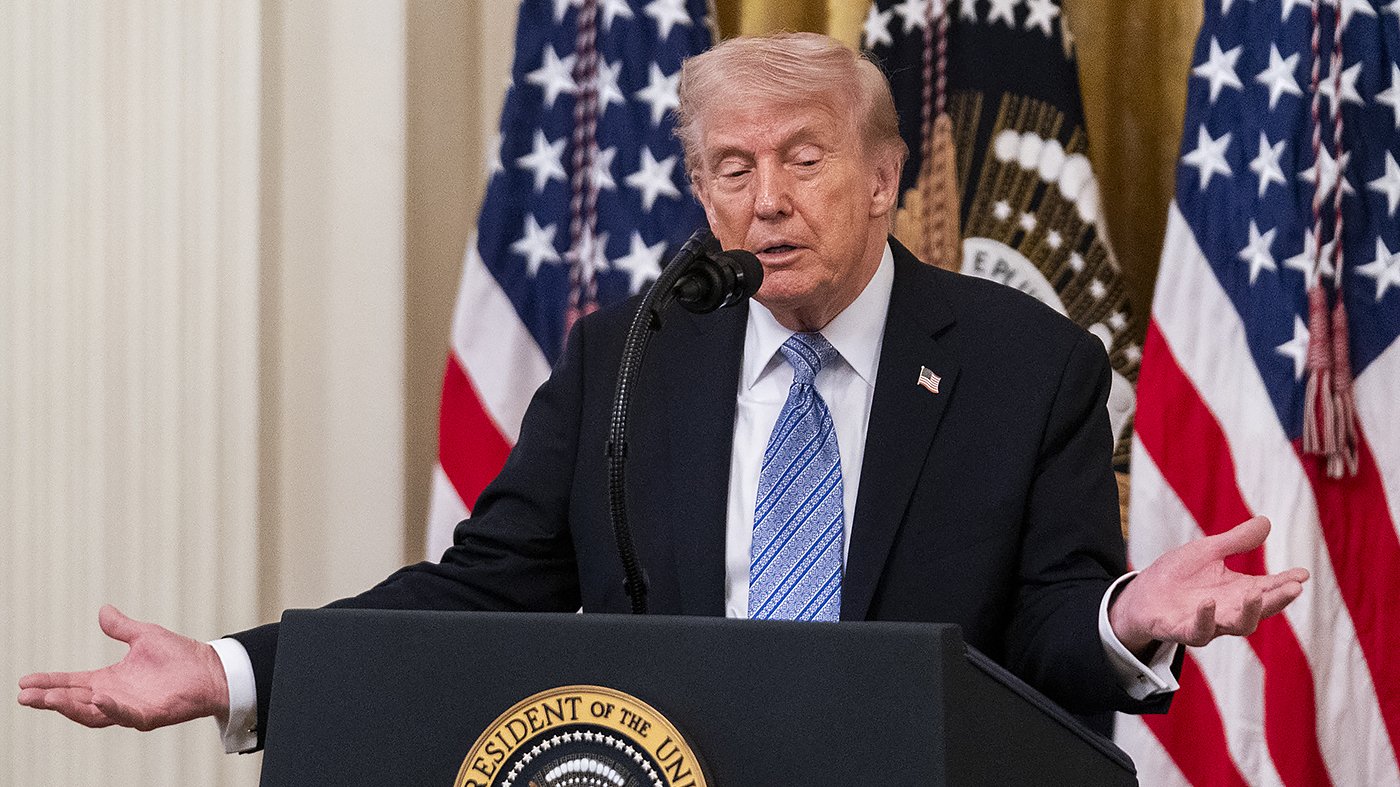
Trump claimed Monday that discussions were “proceeding nicely” but warned that only a “Great Deal for all” would be acceptable — otherwise, it's “Back to the Battlefront and shooting.” By Tuesday, he was more restrained, posting on social media that even a decisive Iranian defeat would be spun by the media as “a Masterful and Brilliant Victory over The United States.” He accused Democrats and journalists of having “gone absolutely CRAZY!!”
The president's fixation on coverage reflects his frustration with the war's unpopularity. A conflict he hoped would cement a historic foreign policy legacy is instead mired in uncertainty, with polls showing voter fatigue and economic strain.
Pressure from Multiple Fronts
Trump faces mounting pressure on several fronts. Iran has not capitulated as he and Israeli Prime Minister Benjamin Netanyahu anticipated, and the Islamic Republic's leadership remains intact. Tehran's successful blockade of the Strait of Hormuz has driven up U.S. gas prices, fueling voter discontent and alarming Republican lawmakers ahead of midterm elections just five months away.
Hawks are wary of any deal that leaves Iran in a strong position. Concerns center on whether Tehran could resume uranium enrichment after a moratorium and whether it might secure de facto control of the strait. Some Democrats have also questioned the administration's push for expanded Abraham Accords as a distraction from core issues.
Republican Skepticism
Sen. Lindsey Graham (R-S.C.) initially worried that conceding Iranian control of the strait would make “one wonder why the war started.” But days later, he praised Trump's surprise push to bring Saudi Arabia, Qatar, and Pakistan into the Abraham Accords as “a brilliant move.” Most experts doubt all three will normalize relations with Israel.
Sens. Ted Cruz (R-Texas) and Roger Wicker (R-Miss.) have voiced similar misgivings. Cruz warned against unfreezing Iranian assets or allowing uranium enrichment, calling such a deal a “disastrous mistake.” Wicker cautioned that even pursuing an agreement risks “a perception of weakness.”
Trump's Defense and Unlikely Allies
To counter such criticism, Trump insists the terms are tougher than portrayed. On Monday, he claimed Iran's enriched uranium stock “will either be immediately turned over to the United States to be brought home and destroyed or, preferably, in conjunction and coordination with the Islamic Republic of Iran, destroyed in place.”
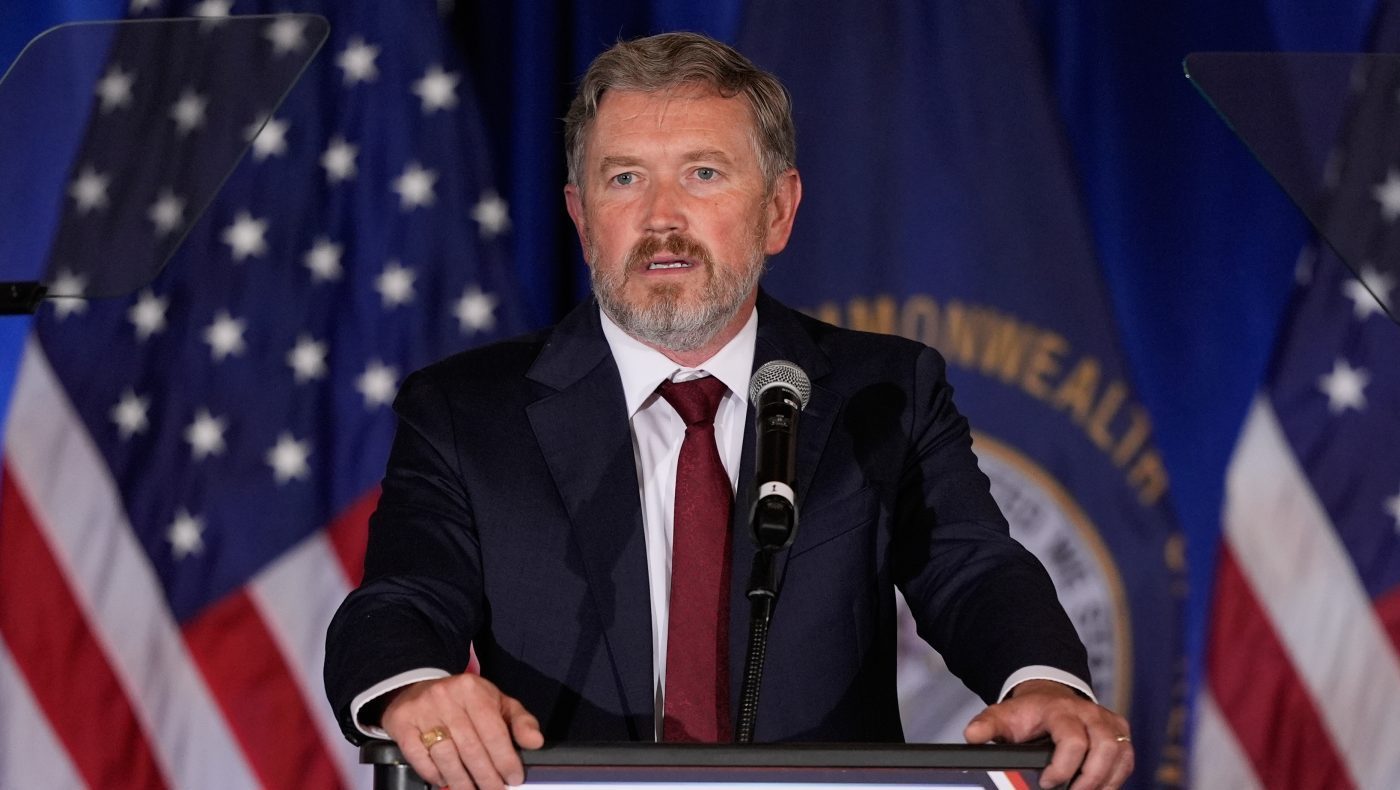
He has found an unexpected ally in Sen. Rand Paul (R-Ky.), a war skeptic who wrote on X: “Peace is the goal. Always has been. President Trump is working toward an America First solution, and that deserves support, not second-guessing.”
Experts Urge Caution
Analysts warn that speculation is outpacing reality. Aaron David Miller, a former State Department negotiator now at the Carnegie Endowment for International Peace, described the potential document as “a Memorandum of Understanding — maybe a page, maybe two. That's an agenda item, a letter of intent.”
Miller said Trump is caught in a dilemma: unable to accept being seen as a loser, yet with limited leverage on the two key issues — Iran's uranium and the Strait of Hormuz. “He cannot abide being perceived and viewed as a loser, and that is something he might not be able to spin,” Miller added.
Trump and his allies would counter that they could resume full-scale war, but such a move carries enormous risks. For now, the battle over public perception continues, even as the outlines of any deal remain hazy.