In 1994, my family fled central Cuba on a homemade raft, crossing the Florida Straits to escape hunger. My grandfather lost his job at the Camagüey train station due to fuel shortages, and baby food became unaffordable. It was a stark choice: leave or starve. That decision was about survival, not politics.
Today, U.S. policies under former President Donald Trump are forcing millions of Cubans to make the same harrowing choice. The economic crisis, worsened by Trump's sanctions and the COVID-19 pandemic, has created a perfect storm for a new migration wave.

During his first term, Trump reversed the modest detente initiated by President Obama, which had offered rare hope to Cubans. He then tightened sanctions to unprecedented levels. Combined with the collapse of tourism due to COVID-19, Cuba's economy shrank for three consecutive years—worse than the post-Soviet period that sparked the 1994 rafter crisis. The government turned to the World Food Programme for the first time, and infant mortality surged by nearly 150 percent.
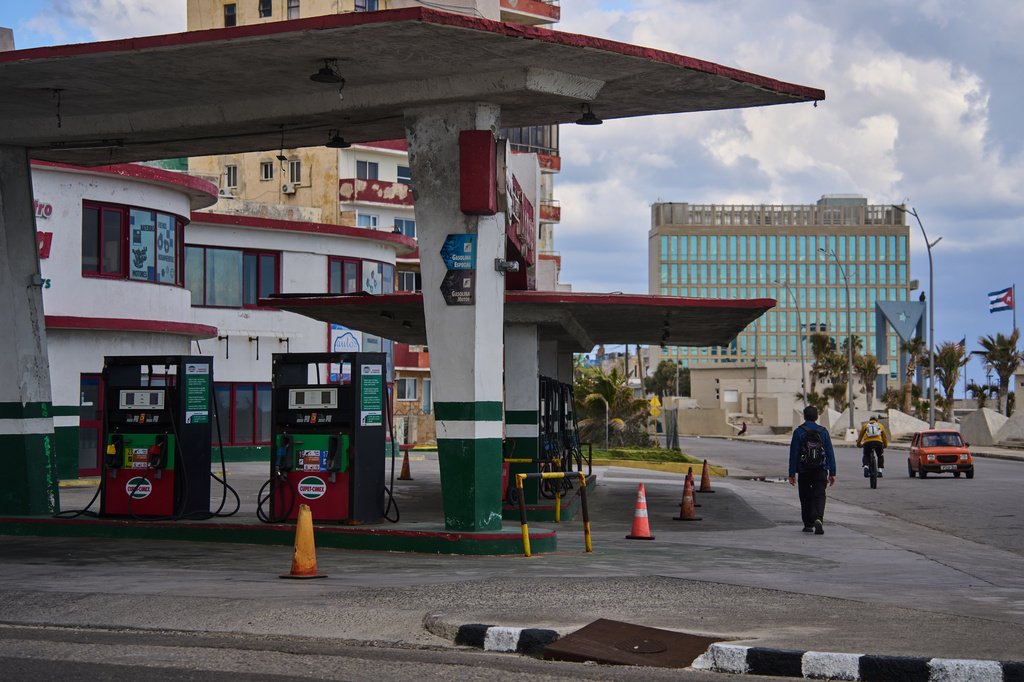
The result was a mass exodus: in two years, 10 percent of Cuba's population emigrated, most to the United States. Then came a fuel blockade, pushing the country into freefall. Blackouts became routine, schools and businesses closed, hospitals postponed surgeries, and food rotted in powerless refrigerators. Now, Cuba has run out of fuel entirely.
Summer will only worsen conditions. Without electricity for fans, stifling heat and mosquito-borne diseases will spread. Water pumps are idle, and the calmer seas of summer make the Florida Straits more navigable—just as the rafter crisis did. It's no coincidence that migration peaks in summer.
Cuba's government has certainly mismanaged the economy, but U.S. sanctions are deliberately designed to suffocate the island, making life unbearable. This economic strangulation also hampers any potential reforms. The stated goal of these policies is regime change, but the humanitarian cost is staggering.
The risk of state collapse or conflict looms large. Despite its flaws, Cuba has been a stable force in the region, with low crime and drug trafficking. The government usually controls emigration, but when conditions become dire, it uses migration as an escape valve. If Trump invades or sanctions topple the government, the power vacuum could unleash chaos and a flood of migrants.
I'm grateful to have been born in America, thanks to my parents' escape. I don't blame Cubans who now seek the same. But it's in both nations' interests for Washington to avoid worsening the humanitarian crisis and sparking another migration wave. Most Cubans don't want to leave; they shouldn't be forced to.
Andrés Sánchez is a Cuban American student and community organizer in Miami, affiliated with Cuban American For Cuba.