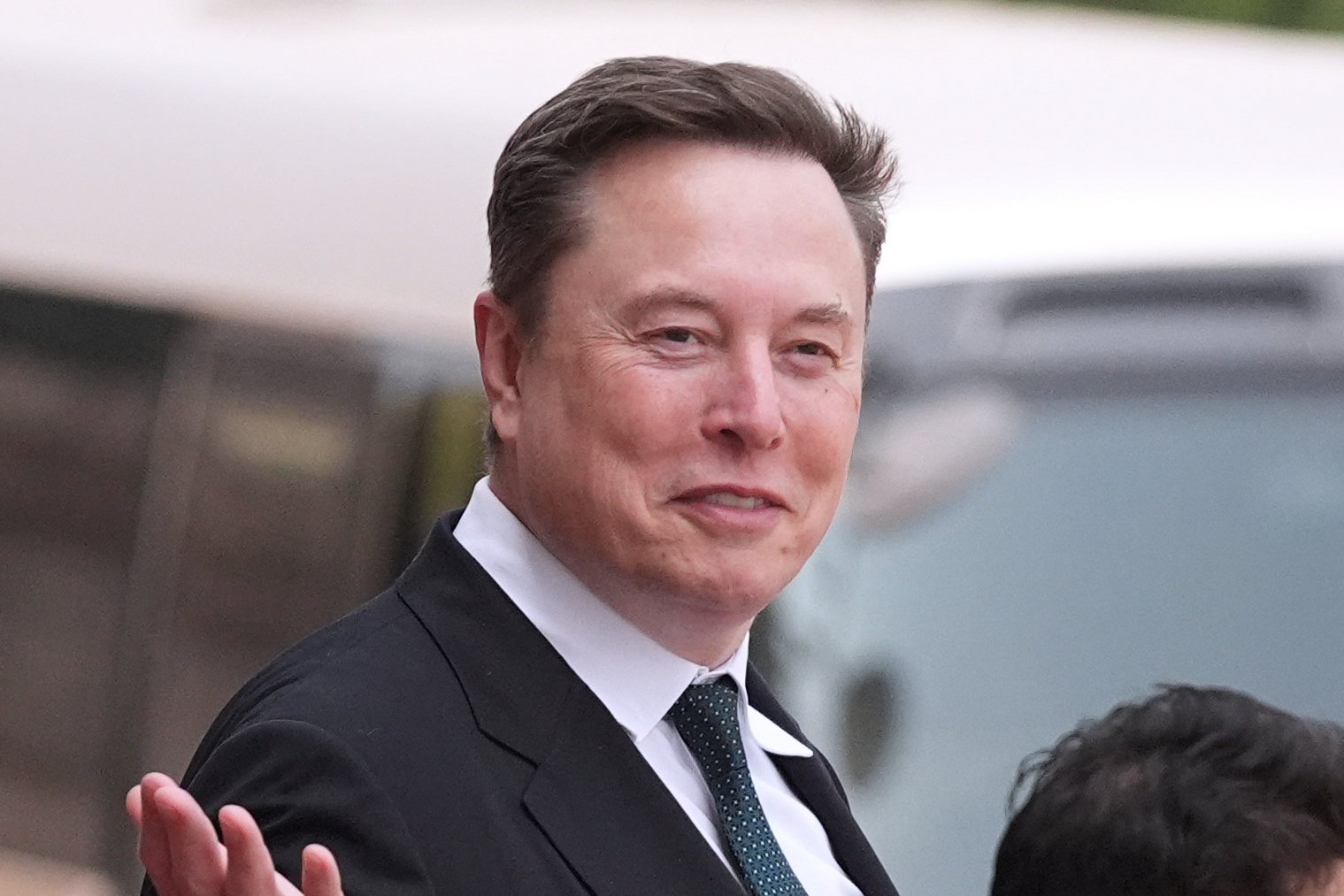
During a recent interview with The Economist, Elon Musk posed a question that cuts to the heart of modern political polarization. When pressed by editor-in-chief Zanny Minton Beddoes about his support for what she called "populist right" and "far-right" parties, Musk pushed back, saying he backs "the normal people." He then laid out three principles and asked which of them could be considered extremist: secure borders, safe cities, and sensible spending.
For many on the left, Musk has become a lightning rod. But his question deserves more than reflexive dismissal. It speaks to a broader anxiety among working-class and disenfranchised voters who feel abandoned by both major parties—and who increasingly see the political establishment as more interested in ideological purity than practical solutions.
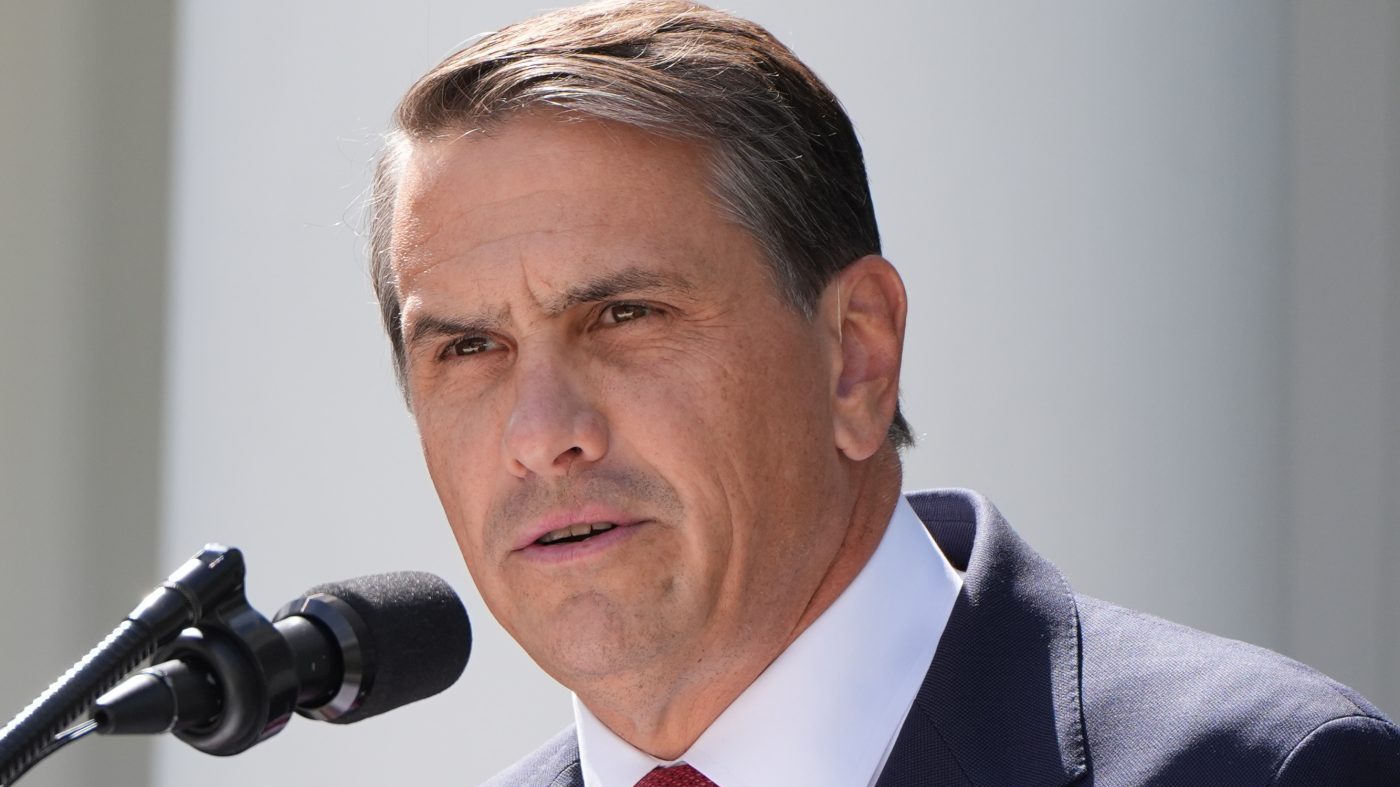
Douglas MacKinnon, a former White House and Pentagon official, grew up in poverty, evicted from 34 homes as a child. He argues that his conservatism was forged not by indoctrination but by lived experience. "Common sense and pragmatic solutions were the life preservers I swam toward time and again," he writes. For 20 years, he has identified as an independent, seeking out practical answers regardless of the messenger.
MacKinnon points out that safe cities, secure borders, and sensible spending are not inherently partisan. He suggests that if prominent Democrats like New York City Mayor Zohran Mamdani, Rep. Alexandria Ocasio-Cortez (D-N.Y.), or Seattle Mayor Katie Wilson embraced those goals, many on the left would likely agree. Yet, in a party where defunding the police and abolishing prisons have gained traction, such positions remain taboo.
The irony is not lost on MacKinnon. He recalls a time when the Democratic Party championed the disenfranchised and stood against censorship. Today, he argues, too many on the left resort to name-calling and cancellation. "If you do not align 100 percent with their narrative, you become the enemy," he writes.
This trend was the subject of MacKinnon's book, The 56: Liberty Lessons From Those Who Risked All to Sign the Declaration of Independence. He warns against erasing American history, urging instead that we learn from its flaws and build on its strengths. "Let us never, ever cancel our shared American history," he insists.
Musk's question resonates because it touches on fundamental governance issues that affect everyone, regardless of party. As MacKinnon notes, the safety and future of all children—not just those of a particular ideology—depend on addressing these concerns.
In a climate of extreme polarization, the call for common sense and pragmatism may seem naive. But as MacKinnon concludes, if we cannot find common ground on basic principles, the consequences for our nation and civilization could be dire. Whether one likes Musk or not, his challenge forces a reckoning with what we value and what we are willing to defend.