Eighteen months into his second term, President Trump's agenda has encountered a series of legal and political obstacles, yet the administration shows no signs of retreat. From the Supreme Court's rejection of his birthright citizenship order to the ongoing fight over tariff authority, the White House is adapting its strategies to keep the president's priorities alive.
Birthright Citizenship: A Persistent Fight
After the Supreme Court struck down his initial executive order ending automatic birthright citizenship, Trump signed two new orders on Thursday aimed at restricting the policy in ways that sidestep the ruling. The president has publicly criticized the Court's June decision, arguing that the original intent of birthright citizenship was meant for "the babies of slaves."
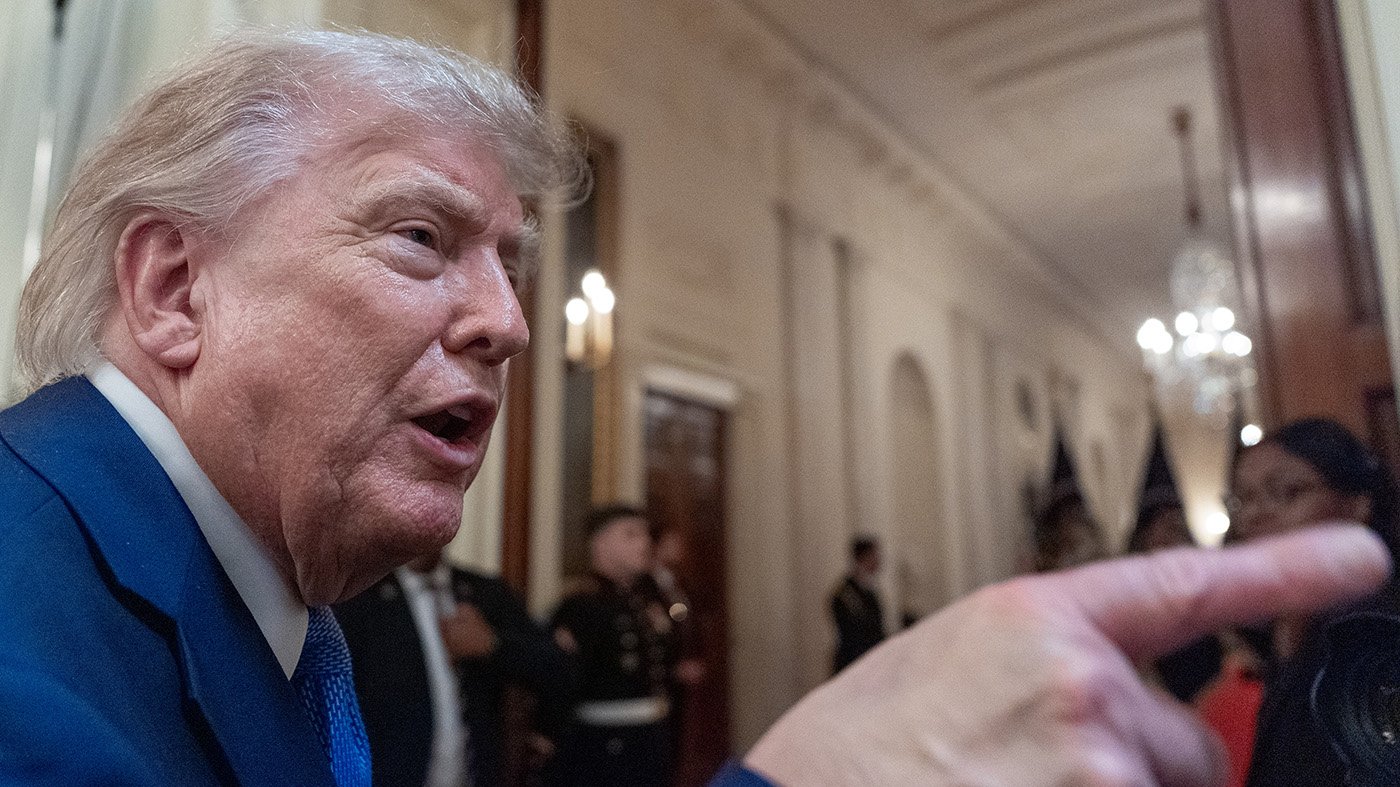
"We had a very unfortunate decision in the Supreme Court concerning birthright," Trump said in the Oval Office. "It was close, but a very, very unfortunate decision. So we're making adjustments because it's very unfair."
The first new order expands the categories of individuals who would not automatically receive citizenship, including those in the country illegally and "members of foreign terrorist organizations," as well as children of diplomats and certain international organization employees. The second order targets "birth tourism," a practice already illegal when visas are obtained fraudulently, by barring entry to those traveling specifically to give birth in the U.S. for citizenship purposes.
Administration officials argue that Section 215(a) of the Immigration and Nationality Act grants the president authority to implement these restrictions, though legal challenges are expected. The Supreme Court's earlier ruling, which found the original order exceeded presidential power, may not apply directly to these new measures, but critics say they face an uphill battle in court.
D.C. Beautification Projects Under Fire
Trump's vision for a more beautiful Washington has run into repeated legal and logistical problems. The White House ballroom project, a massive 90,000-square-foot renovation, was halted by a federal appeals court on Friday, which ruled that all work must stop except for below-ground security-related construction, citing Congress's failure to authorize funding. The administration argues the project is necessary and funded by private donations, setting the stage for a potential Supreme Court showdown.
The Lincoln Memorial Reflecting Pool renovation has also been plagued by issues. After a new coating was applied, algae bloomed and the lining peeled. Charges against individuals accused of vandalism were dropped after U.S. Attorney Jeanine Pirro shifted blame to the contractor and the Department of the Interior. Trump, however, continues to insist vandals caused the damage.
Other projects, including the redevelopment of East Potomac Golf Course and a proposed 250-foot Triumphal Arch in Memorial Circle, face opposition from preservationists and veterans. A National Park Service report concluded the arch would intrude on numerous historic sites, yet the administration presses forward.
Tariff Authority: New Legal Basis
After the Supreme Court struck down his "liberation day" tariffs under the International Emergency Economic Powers Act (IEEPA), the administration pivoted to Section 122 of the Trade Act of 1974, but that authority was limited to 150 days. Now, the White House has unveiled new global tariffs based on forced-labor violations, using Section 301 of the Trade Act of 1974.
The new tariffs, ranging from 10% to 12.5%, apply to over 60 economies. Countries that have committed to enforcing forced-labor import prohibitions face the lower rate, while those that haven't face the higher rate. Section 301 requires an investigation showing a foreign country burdens U.S. commerce through discriminatory practices, and the administration has precedent: Trump used Section 301 during his first term to impose tariffs on Chinese goods, which survived legal challenges.
Though the new tariffs have already drawn a lawsuit claiming the administration exceeded its authority, legal experts suggest they may be harder to overturn given the established precedent.
SAVE America Act: Stalled in Senate
Trump's efforts to pass the Safeguard American Voter Eligibility (SAVE America) Act have repeatedly failed in the Senate. The legislation would require proof of citizenship for voter registration, photo identification at the polls, and limits on mail-in voting. Trump insists the bill is necessary to protect election integrity, but it has failed to advance multiple times.
The administration continues to push for the bill, but with Senate GOP divisions and Democratic opposition, its prospects remain uncertain. Trump's broader election reform agenda faces an uphill climb as he also pressures Senate Republicans on other legislative priorities, including a college sports bill and mining deals to counter China's mineral dominance.
Looking Ahead
Despite these setbacks, the White House remains determined. Trump's willingness to use executive orders, legal reinterpretations, and new legislative pushes highlights a presidency that adapts rather than retreats. Whether these strategies will succeed in the courts and Congress remains to be seen, but the administration shows no signs of backing down.