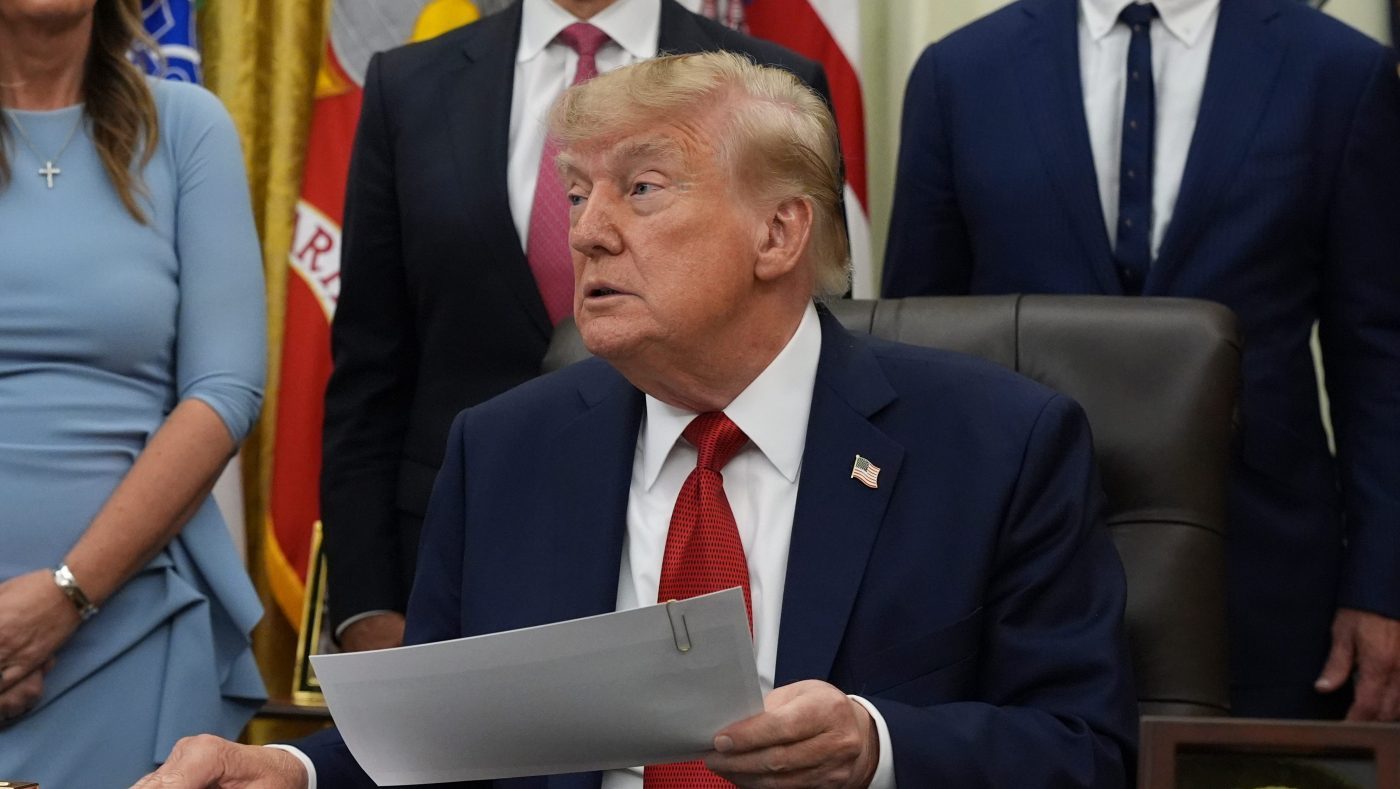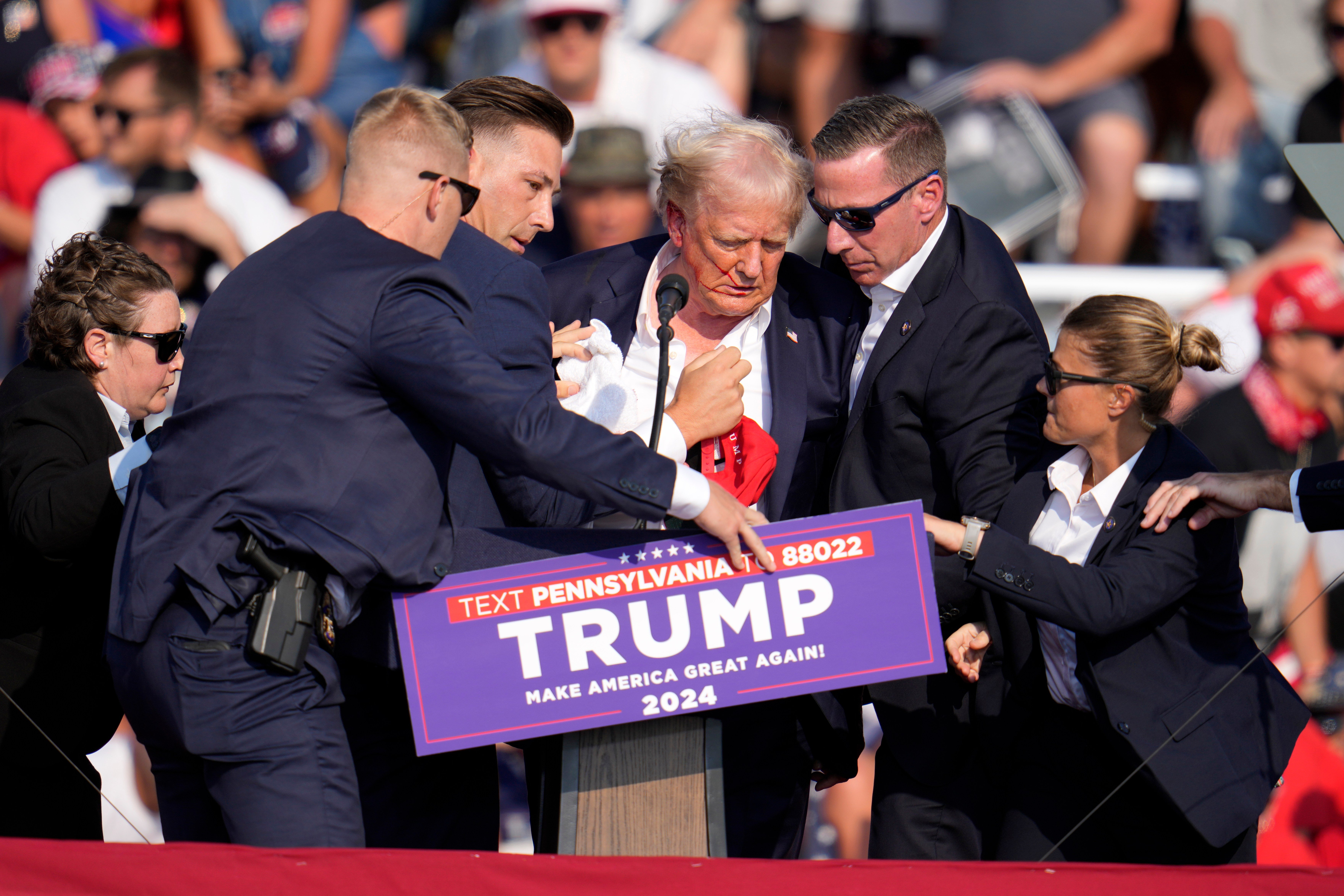
President Donald Trump made a pointed joke on Wednesday about who would shoulder responsibility for his administration's Iran deal, signaling a clear political dynamic: success is his, failure belongs to Vice President JD Vance.
“If the Iran effort succeeds, I'll take the credit. If it fails, I'll blame JD,” Trump said, adding with a grin, “You better be careful, JD!” The remark drew laughter, but Secretary of State Marco Rubio, a hawk who initially pushed for military action, stood silently beside the president.
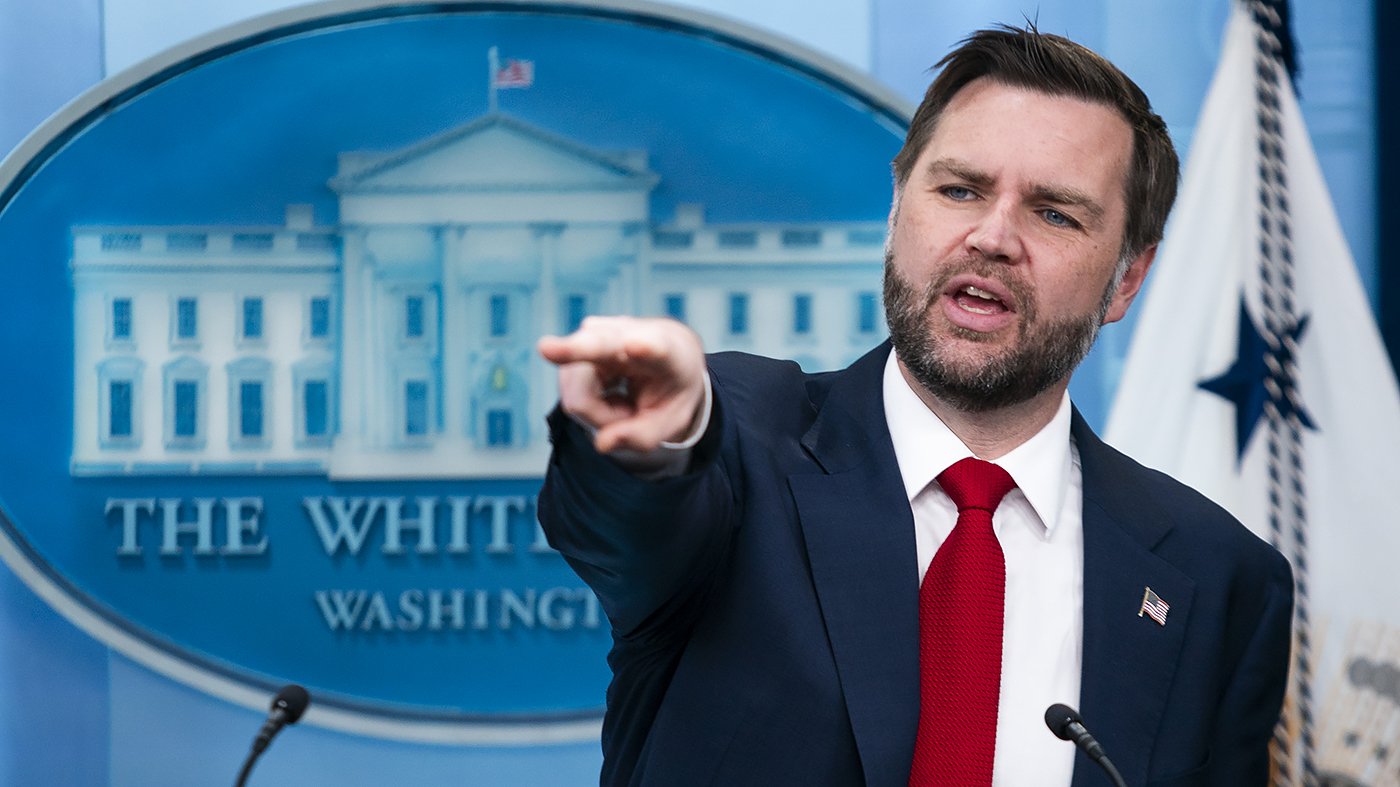
The jest underscores a political reality that has crystallized in recent weeks as the Iran war and subsequent negotiations unfolded. Vance, who initially opposed the conflict, has emerged as the administration's most visible voice on the matter—a notable shift from earlier in the administration. This has fueled speculation about why Trump entrusted the vice president with such a high-stakes portfolio.
The arrangement sets up Vance as the political owner of an unpopular war, a risky proposition if he plans a presidential bid in 2028. “It was a terrible day for Vice President Vance and his 2028 presidential aspirations,” said one former Trump staffer. “You have Republicans like Lindsey Graham already labeling this ‘the Vance deal,’ and President Trump has now supercharged that notion. … Rubio was standing there stone silent.” The staffer added bluntly, “This is a very s‑‑‑ deal for JD Vance.”
The timing has only intensified the spotlight on Vance. He is currently on a book tour for his new work, Communion: Finding My Way Back to Faith, giving high-profile interviews where questions about the Iran deal and his 2028 plans loom large. On Thursday, Vance appeared at the White House briefing room, substituting for press secretary Karoline Leavitt for the second time in recent weeks. He fielded questions on the Iran deal and issued a warning to critics in Israel and loyalists to Prime Minister Benjamin Netanyahu: “If I was in the Cabinet of the Israeli government, I might not be attacking the only powerful ally that I have anywhere left in the entire world.”
When asked about Trump's joke, Vance brushed it off, saying, “I think the president was joking as he often does.” But Republican strategists see it as more than humor. “If the deal goes well, Trump will take the credit. If it goes south, like on everything else, Trump will point the finger elsewhere,” said longtime GOP strategist Doug Heye. “But Trump being Trump, he can point the finger at someone one minute and someone else the next. No one is safe. Saying yes to Trump means knowing that Donald Trump doesn't give points. He only takes them away, one at a time. And you could be next.”
Veteran GOP strategist Susan Del Percio, who does not support Trump, agreed. “I think it means if it doesn't go well, he's going to say there was a breakdown in communications that Vance was handling. He's never had a problem blaming other people for his faults.” She noted that the spotlight on Vance has taken political heat off Rubio, who early in the conflict was a principal advocate for military action. Axios reported that Rubio privately argued against the deal, citing intelligence memos suggesting Iran would not abandon its nuclear ambitions. “Rubio is the happiest [when] he's not front and center,” Del Percio said.
Allies of Vance maintain he was effective in ending the conflict and that Trump trusted him with the matter. Strategists say Vance could benefit if the deal holds, but if it falters, he may struggle to distance himself from an unpopular war—much like former Vice President Kamala Harris did with President Biden's policies in 2024. “And she could have without Biden retribution,” Del Percio said. “Vance can't.” The former Trump staffer predicted Vance will remain boxed in: “Let's put it this way, the guy who didn't want to go to war is owning the peace agreement.”