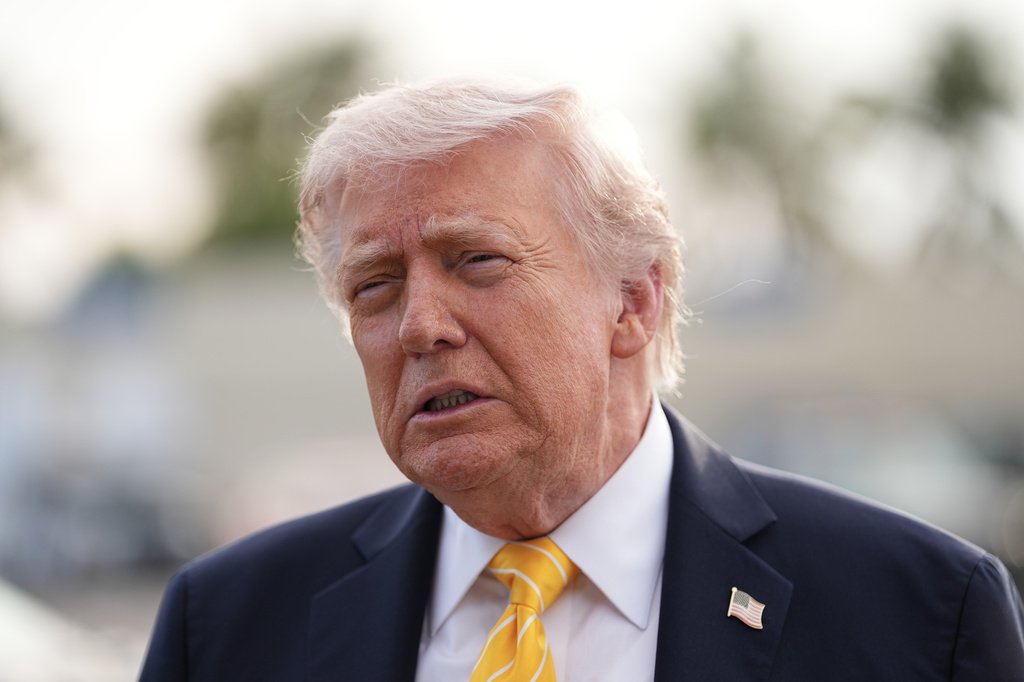
President Trump’s search for a way out of his war with Iran is increasingly looking like a re-run of the agreement he once derided as an “embarrassment.” The irony is not lost on political observers: Trump is now pursuing a framework that closely resembles the 2016 nuclear deal negotiated by former President Barack Obama.
Throughout his negotiations, Trump has boasted that his deal will be “FAR BETTER” than Obama’s, but reports indicate the core terms are strikingly similar. Both involve lifting sanctions and releasing frozen Iranian assets—in this case, up to $20 billion in oil revenue. This is a dramatic shift from Trump’s first term, when he pulled the U.S. out of the Joint Comprehensive Plan of Action (JCPOA) and imposed maximum pressure on Tehran.
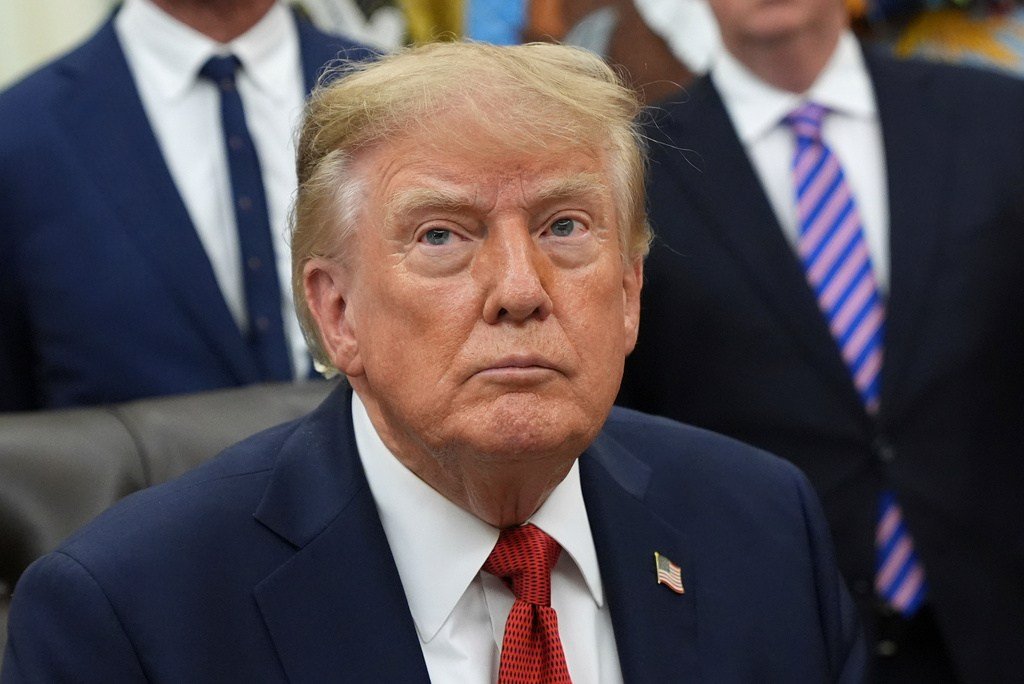
The president’s fixation on Obama extends beyond policy. In recent weeks, his administration cited Obama’s image on Washington subway passes during his first inaugural to deflect criticism over Trump placing his own portrait on U.S. passports. But local transit officials, not the incoming president, were responsible for that move.
More troubling were incidents during Black History Month, when Trump reposted a video depicting Obama and his wife Michelle as apes. Senator Tim Scott (R-S.C.) called it “the most racist thing I’ve seen out of this White House.” Trump refused to apologize, instead offering excuses.
Now, as the war in Iran grinds on with no clear victory, Trump is eyeing Obama’s diplomatic path. The conflict has killed 14 American service members, 12 Israelis, and over 1,300 Iranians. The Strait of Hormuz remains closed, and Iran’s hardline regime shows no sign of capitulating. Trump’s military has already spent $25 billion on the war, depleting missile stockpiles.
Obama’s 2015 deal, which also had backing from European allies, Russia, and China, included a robust inspection regime. The International Atomic Energy Agency confirmed Iran complied with its terms. Trump now seeks a similar agreement—one that would prevent Iran from developing nuclear weapons until at least 2030.
“The choice is between diplomacy or some form of war,” Obama warned in 2015. Trump’s decision to abandon that deal and start a conflict without a clear exit strategy has left him scrambling for an off-ramp. As Iran threatens to block US warships in the Strait of Hormuz, the pressure to strike a deal intensifies.
Trump’s supporters point to his willingness to negotiate as a sign of strength, but critics see a pattern of obsession. “He hungers for something close to Obama’s success,” said Juan Williams, a Fox News analyst and author. “He’d love to match Obama by winning a Nobel Peace Prize.”
Whether Trump can secure a deal that meets his own standards—or simply rebrand Obama’s as his own—remains to be seen. But the cost of the war, both in lives and dollars, is making any resolution look like a win.