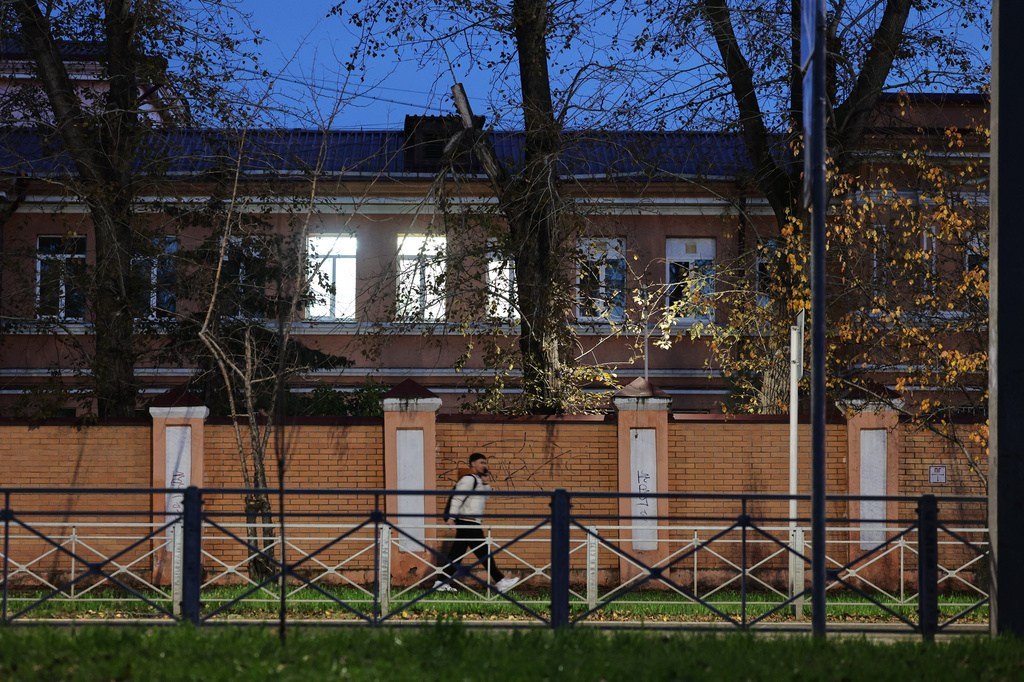
Russia’s latest barrage on Kyiv left 600,000 residents without power, and the attack came with little warning—ballistic missiles slipped through undetected. That is exactly the kind of scenario that makes intelligence sharing between Washington and Kyiv so vital. I saw this dynamic firsthand during a visit to Ukraine months ago: early warning systems are not a luxury; they are the difference between people huddling in shelters for hours and simply stepping aside when danger is imminent.
So when reports surfaced that this strike was not flagged in advance, speculation ran rampant that the U.S. had quietly paused its intelligence flow. President Trump has made no secret of his frustration with the war, especially as Ukrainian drones hammer Russian energy infrastructure. He is right to be angry—this conflict is devastating for both sides and has global ripple effects. But halting intelligence sharing would be a catastrophic misstep. To his credit, Trump has confirmed that the U.S. continues to monitor Russian aircraft and alert Ukraine to incoming threats.
That is the correct posture. Sustained support for Ukraine is the only realistic path to forcing Russia to negotiate seriously. The eventual terms may not be ideal for Kyiv, but they will be far better than losing the country entirely. That is the uncomfortable truth that some commentators on both the left and right refuse to acknowledge: Russia is not a passive actor. Vladimir Putin could end this war tomorrow. He chooses not to.
Starlink restrictions and the diesel dilemma
Beyond intelligence, Ukraine faces another battlefield hurdle. Reports indicate that Starlink has quietly imposed speed limits on frontline combat operations, which would degrade the effectiveness of Ukrainian drones targeting Russian positions. If this was an intentional move by Elon Musk, it is a serious error. Ukraine’s drone program has been a crucial equalizer, and throttling it only helps Moscow. The Starlink service disruptions have already been flagged by officials as a major concern.
Then there is Trump’s proposal to allow Russian diesel onto global markets. The president’s instinct to ease energy prices for American consumers and the world is understandable. But the economic reality is that every dollar Russia earns from diesel sales can be funneled directly into its war machine. That would prolong the fighting and undermine any chance of a swift peace. A bipartisan group of senators has already turned against the plan, warning Trump of exactly this consequence.
This is a classic short-term pain versus long-term gain calculation. Keeping sanctions on Russian energy will hurt at the pump, but lifting them now would be a gift to Putin. The message to Moscow should be clear: we are open to trade, but not while you are bombing civilians and subjugating a sovereign nation.
The burden of peace rests squarely on the Kremlin. Until Putin decides to stand down, Ukraine has every right to defend itself, and the U.S. must continue to provide the tools to do so—intelligence, drones, and diplomatic cover. Anything less would betray both our interests and our values.