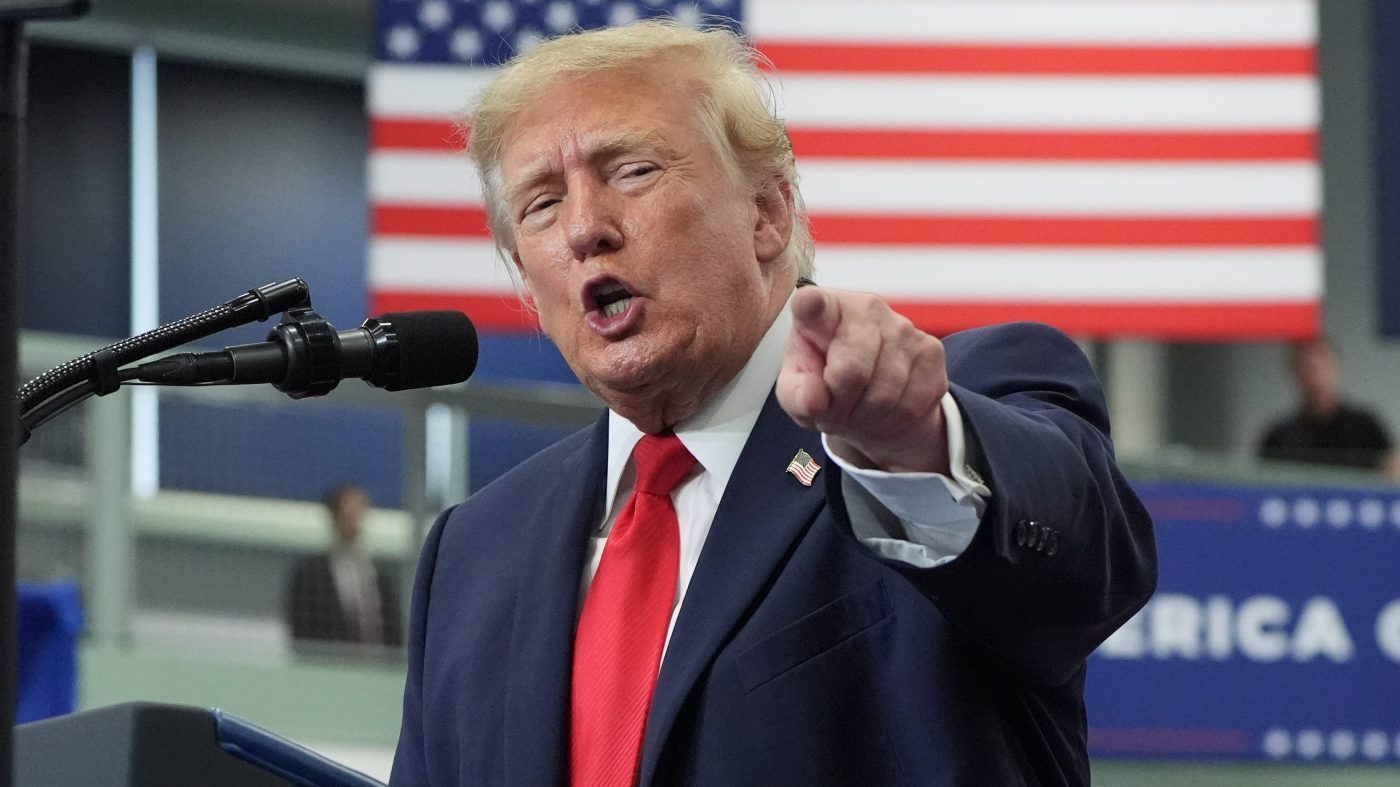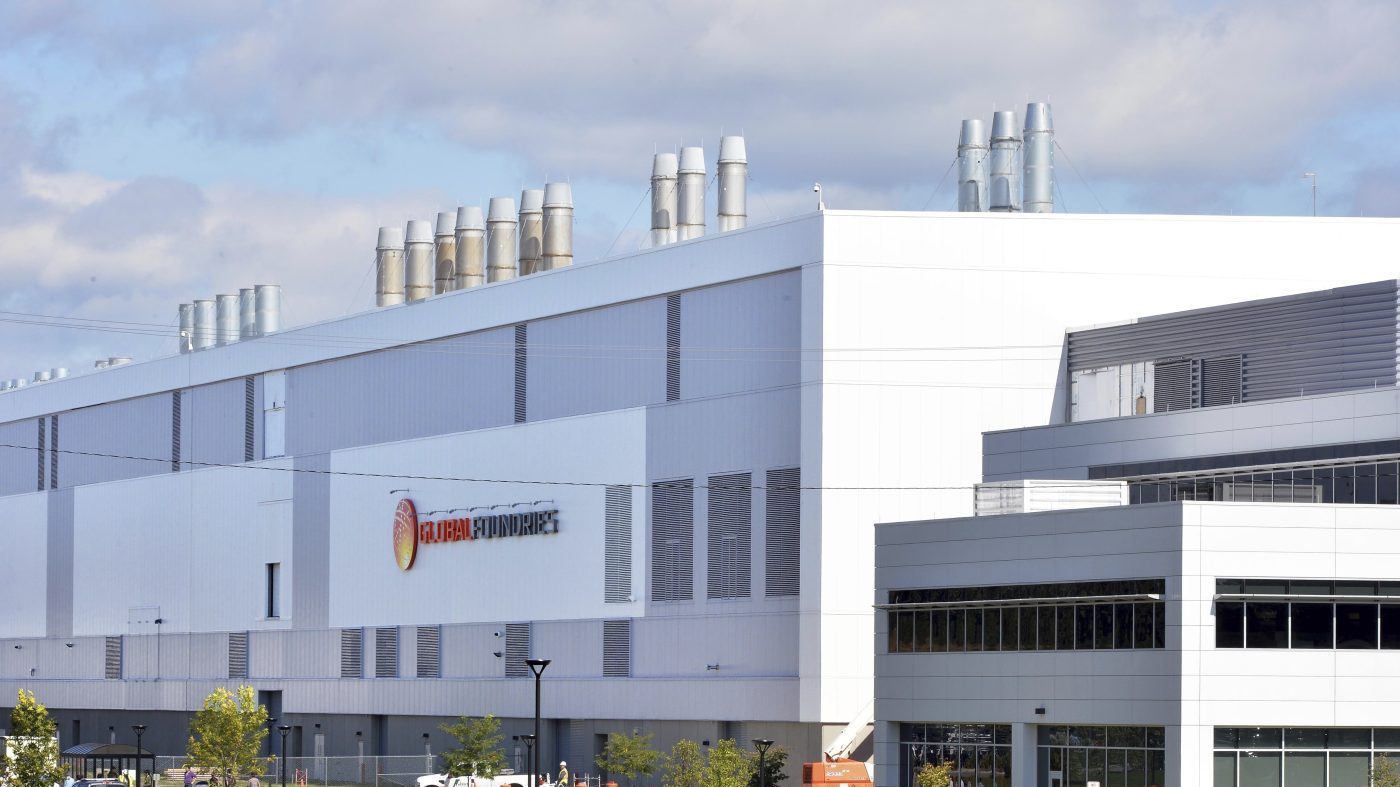
President Trump on Wednesday announced a $21 billion agreement to build two semiconductor fabrication plants in upstate New York, with Japan committing $20 billion to the effort. The deal marks a major step in the administration's push to reshore advanced chip manufacturing and deepen economic ties with Tokyo.
Under the arrangement, Japan will provide $10 billion to accelerate construction of a GlobalFoundries plant that the company aims to bring online by 2029, and another $10 billion will go toward a second facility from the same manufacturer. The Trump administration is also redirecting $955 million in previously allocated CHIPS and Science Act funding to support GlobalFoundries' broader semiconductor investments, while taking a 4 percent equity stake in the firm.

“We are turning the Investment commitments from Japan, Korea and Taiwan into HUGE Construction Projects,” Trump wrote on Truth Social. “These are TRANSFORMATIONAL AND GENERATIONAL DEALS FOR AMERICA — More Semiconductors, more Power, more Energy Security, and more Jobs for the U.S.A.”
The U.S. government's minority stake in GlobalFoundries follows a pattern of using CHIPS funding to acquire equity in companies focused on semiconductors and critical minerals. This approach has drawn both praise for securing domestic supply chains and criticism from some lawmakers who question the government's role as a shareholder.
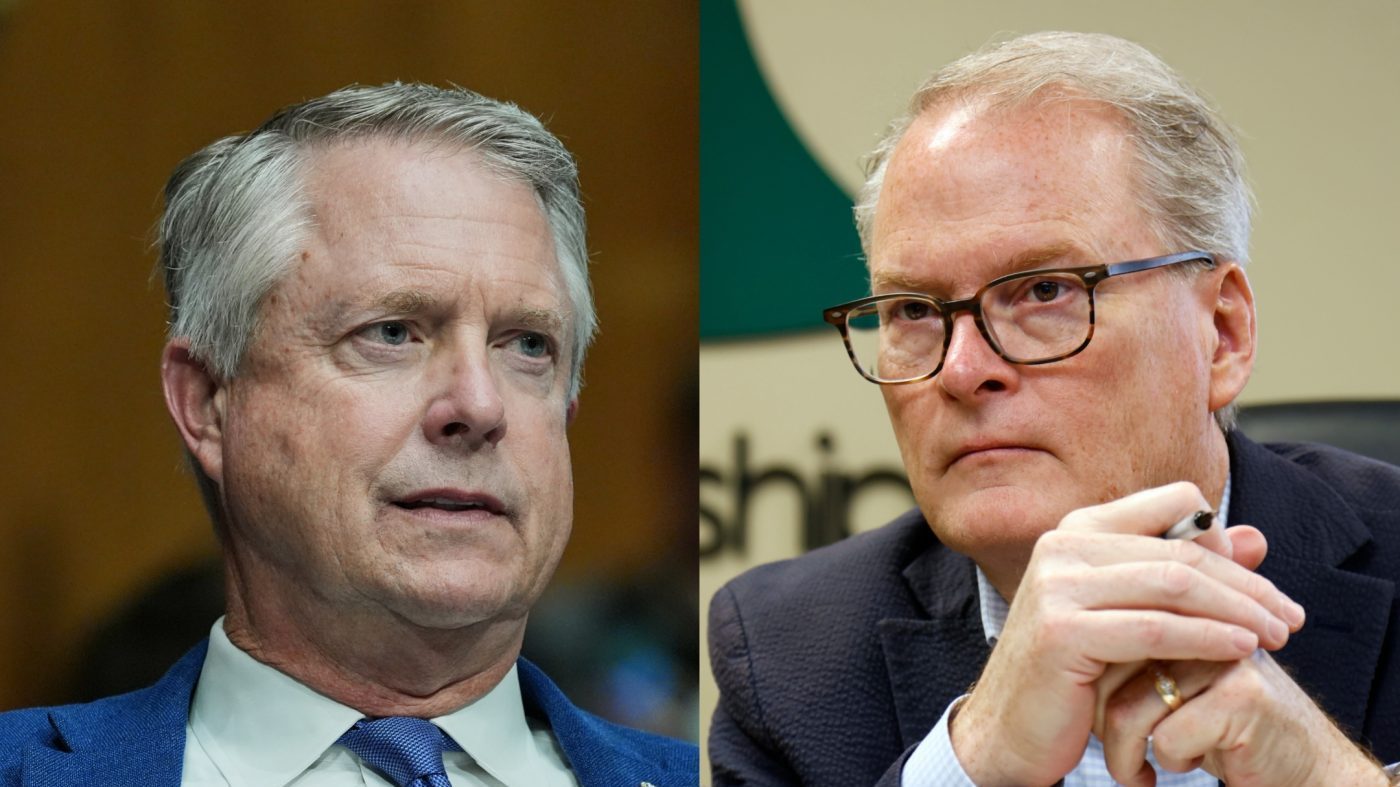
GlobalFoundries CEO Tim Breen framed the deal as a strategic milestone. “This is a bold new initiative for semiconductor manufacturing, bringing together the United States and Japan with GF's differentiated technology and decades of manufacturing expertise to accelerate trusted capacity in New York,” he said in a statement.
The announcement builds on a broader U.S.-Japan trade agreement struck in July 2025, under which Tokyo committed to invest $550 billion in key American industries, including semiconductor production, energy infrastructure, and critical minerals mining. That pact has already spurred several bilateral projects, and the chip deal is among the largest to date.
The new plants are expected to create thousands of construction and permanent jobs in upstate New York, a region that has seen a resurgence in manufacturing investment. State and local officials have yet to release specific workforce projections, but the project is likely to boost the local economy and reinforce the area's role in national tech supply chains.
Analysts note that the deal also carries geopolitical weight, as the U.S. and its allies seek to reduce reliance on chip production concentrated in Taiwan and other parts of Asia. By partnering with Japan, Washington is signaling a coordinated effort to build resilient semiconductor capacity across allied nations.
Trump's announcement comes amid ongoing debates in Congress over the effectiveness of CHIPS Act spending and the administration's equity-for-funding model. Some Republicans have backed the approach as a way to ensure taxpayer returns, while Democrats have raised concerns about the lack of transparency and potential conflicts of interest.
With construction timelines set for the early 2030s, the full impact of the deal will take years to materialize. But for now, the administration is touting it as a win for American manufacturing and a tangible outcome of its trade and industrial policies.