Trump's Surveillance Shift Reshapes GOP Debate
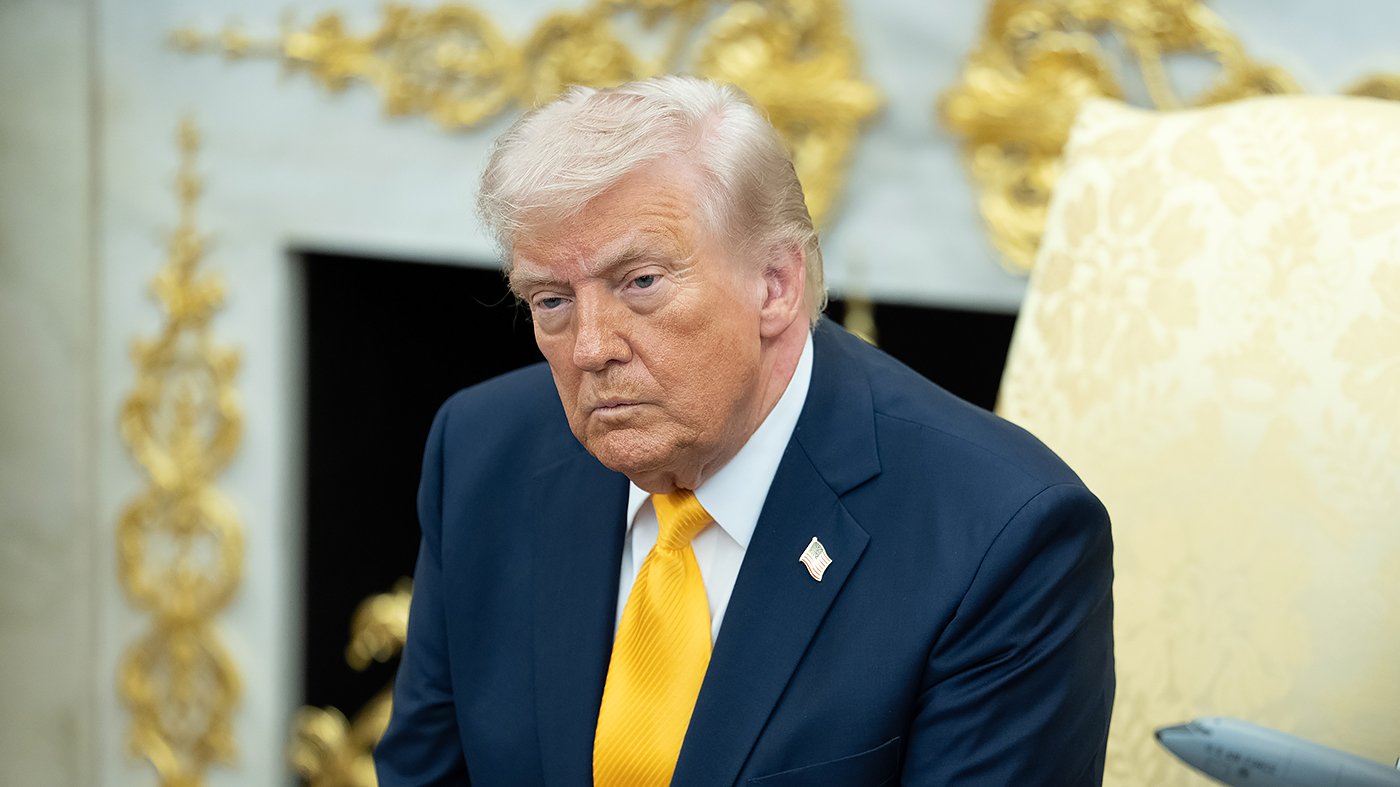
Former President Donald Trump's unexpected endorsement of renewing the government's warrantless surveillance authority has placed congressional Republicans, particularly longtime critics of the program, in a difficult political bind. The impending reauthorization of Section 702 of the Foreign Intelligence Surveillance Act (FISA), which permits intelligence agencies to monitor foreign targets abroad without a warrant, now faces a transformed landscape where the party's standard-bearer is advocating for its continuation.
This represents a stark reversal for Trump, who earlier this year publicly urged Republicans to "KILL FISA." His current position, advocating for what he describes as a "clean reauthorization," directly contradicts years of Republican rhetoric painting the FISA court system as a weapon used against his 2016 campaign. The shift is already influencing key figures. House Judiciary Committee Chairman Jim Jordan (R-Ohio), a leading voice for surveillance reform, announced this week he would support Trump's request for an 18-month extension, citing approximately 50 reforms made to the program since he last voted against it.
Hardliners Soften Stance Under Pressure
The change in tone is palpable among the GOP's right flank. Lawmakers who previously vowed to oppose any reauthorization without a warrant requirement for searching data on U.S. persons are now hedging. Rep. Andy Biggs (R-Ariz.), a repeated sponsor of warrant mandate legislation, expressed deep reservations but declined to state his voting intention. "I'm really struggling with that... they used FISA to actually spy on President Trump," Biggs told reporters, referencing the FBI's past surveillance errors. However, he added, "I'm not gonna whip to you, because I don't whip to those guys either."
This ambivalence underscores the political pressure Trump exerts. One Republican staffer noted the dynamic plainly: "No one's gonna cross Trump publicly and loudly. Biggs would be the most likely to, but he's running for governor." The staffer questioned the congressman's unusual silence, asking, "When is Andy Biggs ever been known to be quiet?"
Not all critics are relenting. Rep. Thomas Massie (R-Ky.) stated he still plans to vote against Section 702 without a warrant requirement but acknowledged Trump's stance would sway colleagues. "It'll be interesting to see who changes their mind because we have a different president," Massie said, adding a pointed critique of FBI Director Kash Patel, a former FISA critic now overseeing the system: "Now it's Kash Patel who's spying on Americans without a warrant. And so it's fashionable, I guess."
Reforms and Political Calculations
Proponents of renewal argue significant reforms implemented in the 2024 reauthorization have curtailed abuse. These changes restricted who can query the Section 702 database, mandated supervisory approval before reviewing information on Americans, and enhanced congressional oversight. The impact appears substantial: searches for U.S. person information plummeted from approximately 2.9 million in 2022 to just over 9,000 in the following year.
Some lawmakers are weighing these reforms against their principles. Rep. Darrel Issa (R-Calif.), who voted against the last renewal, said he is analyzing whether the new limitations are effective. Meanwhile, other political considerations are surfacing. Reps. Lauren Boebert (R-Colo.) and Anna Paulina Luna (R-Fla.) have threatened to vote against the FISA bill unless the House first approves a separate voter identification measure pushed by the former president, linking the surveillance debate to a broader policy agenda.
Rep. Chip Roy (R-Texas), another leading reform advocate in a competitive primary for Texas attorney general, stressed the constitutional imperative remains despite the administration's shift. "We have different occupants of the White House, different occupants in the intelligence community, over time. But the Fourth Amendment stays consistent, and we need to protect it," Roy stated. He declined to reveal his vote but emphasized the need for further reforms, arguing, "there was bloodshed to protect the Fourth Amendment."
The internal GOP conflict over surveillance mirrors broader tensions within the party on national security authority, a debate that extends to other volatile areas like foreign policy and military action. As leadership delays bringing the bill to the floor, the episode demonstrates Trump's enduring power to redefine Republican orthodoxy, forcing even his most ardent congressional allies to choose between longstanding policy convictions and loyalty to the party's leader.