The Trump administration on Wednesday unveiled its long-awaited National Counterterrorism Strategy, a framework that shifts focus toward left-wing “violent secular” groups, which officials argue have been responsible for the majority of politically motivated assassinations and other violent acts in recent years.
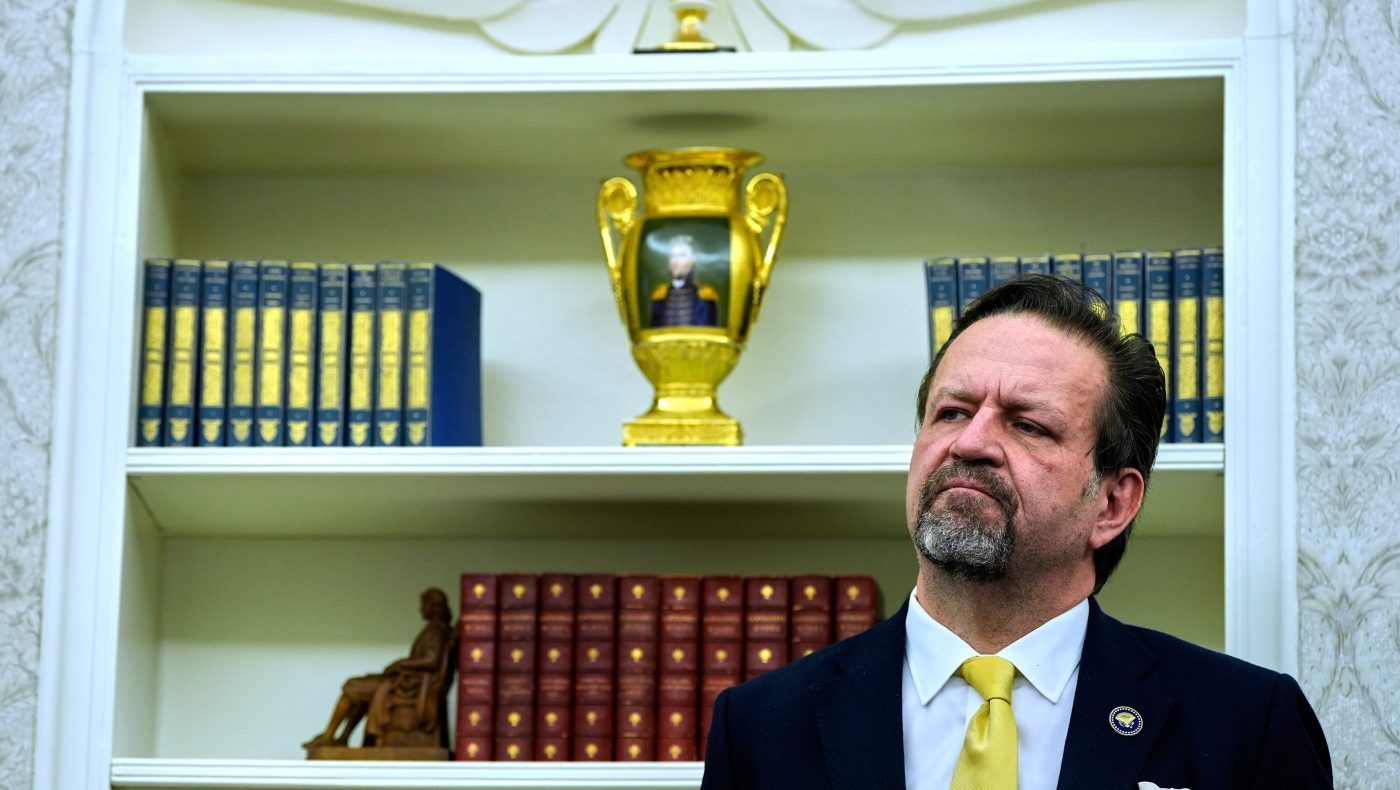
Sebastian Gorka, the senior counterterrorism director at the National Security Council who led the strategy’s development, told reporters that the plan prioritizes the “rapid” identification and neutralization of these groups, whose ideology he described as “anti-American, radically pro-gender or anarchist.”
“We will not permit politically motivated violence in the United States from either side of the aisle. But the sad truth is, the left has far more politically motivated assassinations, or attempted assassinations to its credit, in recent years, not the right,” Gorka said.
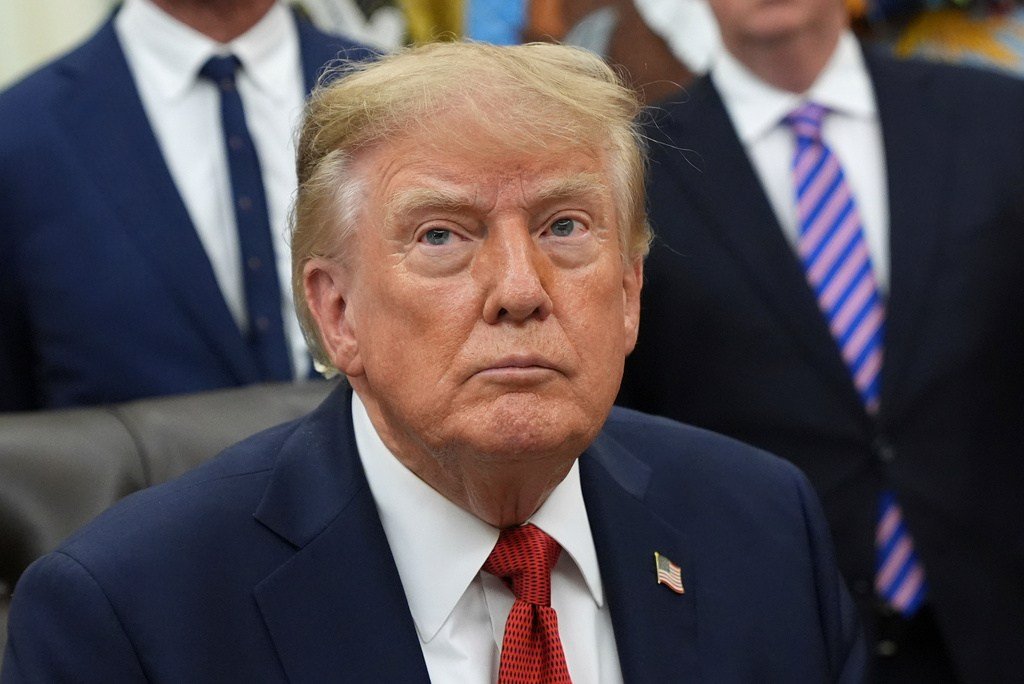
The strategy follows President Trump’s late September executive order designating the far-left activist movement antifa as a terrorist organization. Gorka emphasized that the administration would “use all the tools constitutionally available to us to map them at home, identify their membership, their ties to international organizations like antifa and use law enforcement tools to cripple them operationally before they can maim or kill the innocent.”
Gorka declined to specify the exact steps the administration will take to identify and neutralize these threats. However, the strategy reflects a significant shift in U.S. counterterrorism priorities, which have historically focused on Islamist extremist groups.
A late September analysis from the Center for Strategic and International Studies (CSIS) found that 2025 marked the first time in over 30 years that left-wing terrorist attacks outnumbered those from the far right. The CSIS authors cautioned that “the rise in left-wing attacks merits increased attention, but the fall in right-wing attacks is probably temporary, and it too requires a government response.” They added that “many of the prescriptions for fighting terrorism effectively apply to violence from both the left and right.”
Beyond left-wing groups, the new framework also targets drug cartels in the Western Hemisphere and top Islamist jihadi organizations, including al Qaeda and ISIS, with a particular emphasis on ISIS-Khorasan (ISIS-K), which operates in Afghanistan and Pakistan. Gorka said the administration will “continue to find and remove the cartel and gang members who were let into our country under the Biden administration, while using FTOs — foreign terrorist organization designations — to strangle the commercial and logistic sinews of their lethal organizations.”
The Trump administration has already designated several chapters of the Muslim Brotherhood as a foreign terrorist organization, and since returning to office, Trump has focused on countering violent drug cartels in Central and South America. The U.S. military has conducted at least 56 lethal strikes since September 2, killing at least 190 alleged “narco-terrorists” operating speed boats in the Caribbean and Eastern Pacific.
Gorka also said the administration will demand more from allied nations, asking them to contribute to efforts ranging from protecting shipping tankers in the Strait of Hormuz to combating jihadi threats. “We will be discussing the new counterterrorism strategy and working together to say, ‘OK, how can you step up to the plate in ways which complement what we wish to achieve,’” he told reporters.
The strategy’s release comes amid broader debates over the politicization of justice and national security. Critics have questioned the administration’s focus on left-wing groups, while supporters argue it reflects the reality of current threats. The strategy also dovetails with Trump’s broader approach to foreign policy, including his recent ultimatum to Iran and ongoing efforts to reshape U.S. engagement with international partners.