President Trump's seizure of Venezuelan oil revenue has ignited a constitutional clash, with the Treasury Department refusing to provide Congress with basic accounting of billions in assets. The dispute centers on an executive order that grants Secretary of State Marco Rubio sweeping authority over Venezuelan funds, a move Democrats argue exceeds presidential powers and violates the Constitution's separation of powers.
A Secretive Financial Pipeline
The arrangement took shape after Trump ordered the military capture of former Venezuelan President Nicolás Maduro, who now awaits trial in the U.S. His vice president, Delcy Rodríguez, was installed as interim leader. In January, Trump announced Venezuela would transfer up to 50 million barrels of oil to the U.S., declaring that the proceeds would be "controlled by me" to benefit both nations. The White House formalized this through an executive order, directing the Treasury to hold the funds in a "custodial and governmental capacity" and to follow Rubio's disbursement instructions.

Under the order, payments to Venezuela must be routed through a Treasury account called the "Foreign Government Deposit Funds," with strict reporting requirements. Treasury can reject deposits that fail to meet these conditions. Secretary of State Marco Rubio testified in January that about $500 million had been deposited into a Qatari account, with $300 million transferred to Venezuela for payroll and $200 million retained. By June, Rubio said the funds were held in a Citibank account, with KPMG auditing expenditures. Yet the account number, balance, banking agreement, and authorized signatories remain undisclosed to Congress or the public.
Congressional Pushback
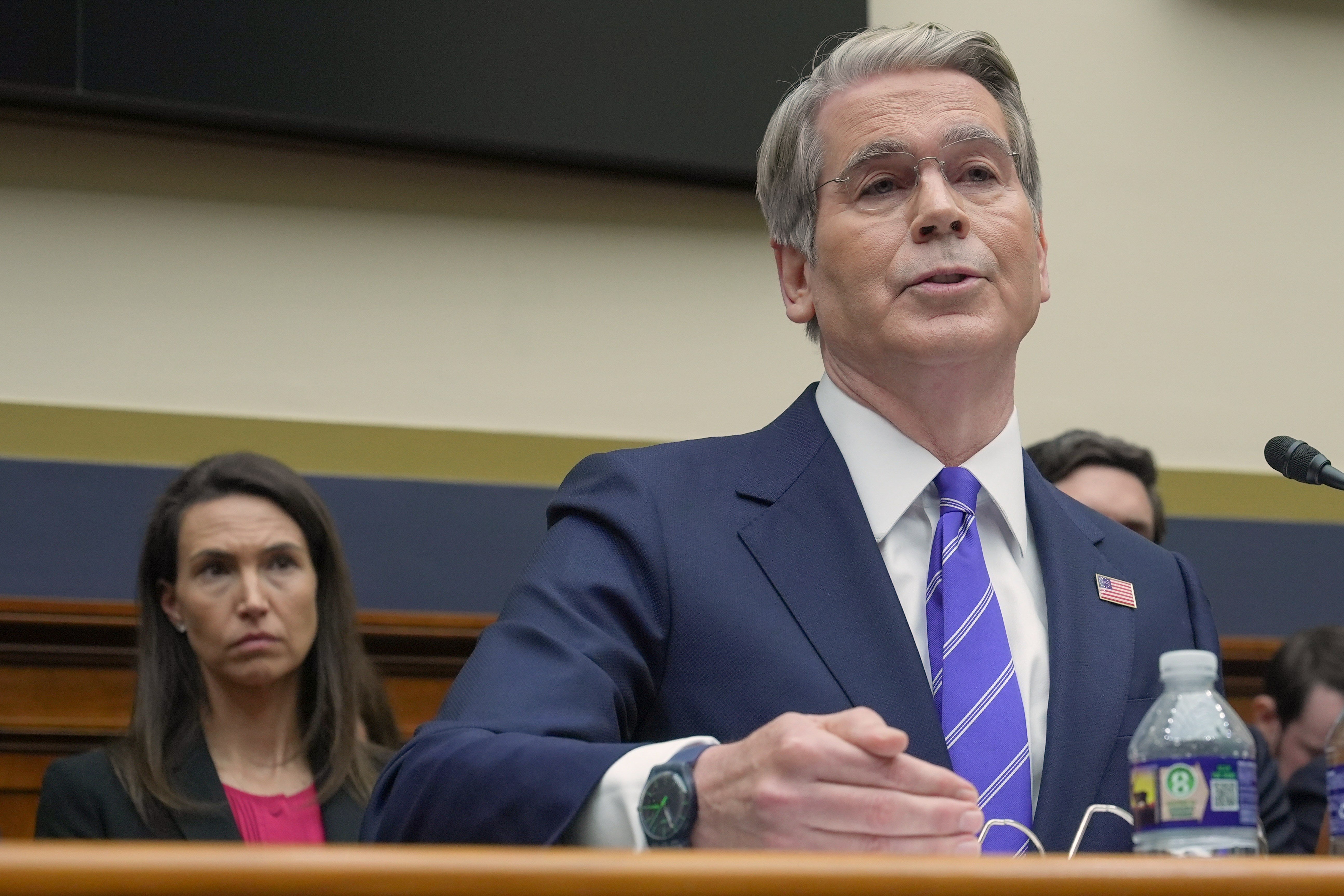
Democratic lawmakers, led by Rep. Sean Casten (D-Ill.) and Sen. Chris Van Hollen (D-Md.), have repeatedly pressed Treasury Secretary Scott Bessent for legal justification and financial details. At a September 15 House Financial Services hearing, Casten asked which bank held the funds; Bessent initially demurred, then acknowledged Citibank's involvement after Casten noted Rubio had already named it. Bessent refused to confirm the amount, stating only that "many Venezuelan assets" were involved, and could not rule out that money flowed to U.S. persons.
The legal basis rests on the International Emergency Economic Powers Act (IEEPA), which allows presidents to control foreign property during a declared emergency. But the executive order goes beyond freezing assets, creating a comprehensive system for collecting and disbursing Venezuelan revenue. Article I of the Constitution grants Congress the power of the purse, and critics argue no statute authorizes such a sweeping executive fund.
A Discretionary Executive Fund?
"The problem here isn't Venezuela. It is Trump," said Kimberly Wehle, a legal scholar and author. The interim Venezuelan government, desperate for revenue to pay workers, has little choice but to cooperate. Meanwhile, Trump has continued military strikes on Venezuelan fishermen, raising further legal concerns.
The administration's opacity has fueled fears that the funds are being used as a personal slush fund, unaccountable to taxpayers or Congress. As the standoff continues, the constitutional implications extend far beyond Venezuela, testing the limits of executive authority in foreign affairs.