President Trump's selection of four senior administration officials to spearhead the newly created "Super Intelligence Force" offers a clearer picture of how the White House intends to navigate artificial intelligence policy, a domain marked by conflicting signals in recent months.
The president, who has increasingly adopted the term "super intelligence" to describe advanced AI systems, announced the formation of the task force over the weekend. The group is charged with assessing both the potential benefits and risks of the technology while ensuring the United States maintains its competitive edge in the global AI race.
Key Appointments Reflect Administration Priorities
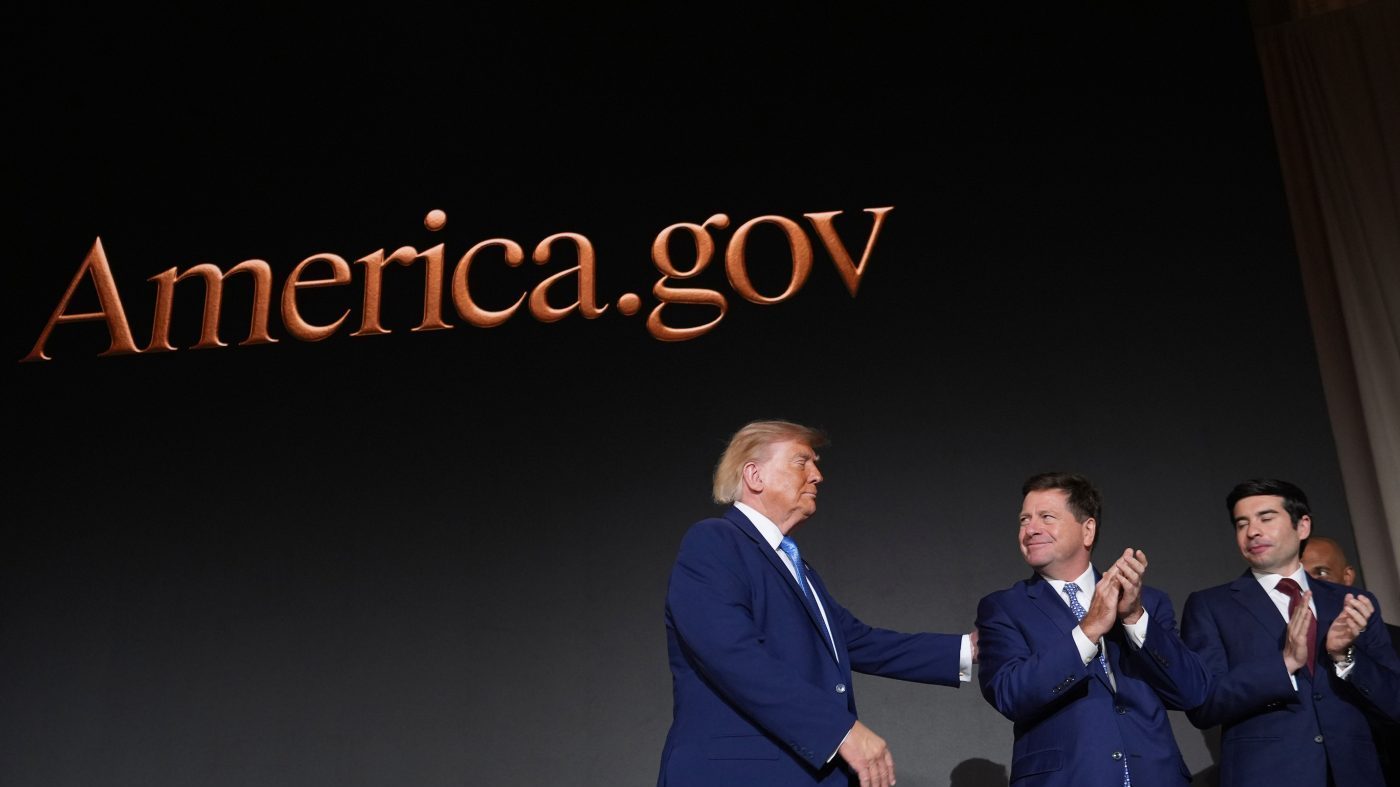
Jay Clayton, who leads the Office of the Director of National Intelligence, will chair the super intelligence initiative. His background in financial regulation and national security is seen as a bridge between economic and security concerns. Joining him as vice chairs are Emil Michael, the Pentagon's chief technology officer; Andrew Ferguson, chair of the Federal Trade Commission; and Scott Kupor, director of the Office of Personnel Management.
Each appointee brings a distinct focus: Michael's role ties the effort to defense innovation, Ferguson's to consumer protection and market competition, and Kupor's to the federal workforce's future. This mix suggests the administration is approaching AI not as a single-issue policy but as a cross-cutting challenge affecting multiple agencies.
Mixed Messaging Gives Way to Structure
For weeks, the White House's AI policy has appeared disjointed, with officials offering divergent views on regulation, national security implications, and the pace of deployment. The creation of the Super Intelligence Force and the specific appointments signal an attempt to consolidate authority and project coherence.
Clayton's leadership is particularly notable given his intelligence portfolio, underscoring the administration's focus on AI's national security dimensions. The inclusion of the FTC chair also hints at a willingness to address antitrust and consumer protection issues, even as the administration has generally favored a light-touch regulatory approach.
Reactions and Implications
Industry observers and policy analysts are watching closely. Some see the task force as a pragmatic move to coordinate across agencies, while others worry it may centralize too much power in the executive branch. The group's mandate to explore both benefits and risks could lead to a more balanced policy framework, but its recommendations will ultimately depend on how aggressively the administration chooses to act.
The announcement comes amid broader debates in Washington about AI's impact on jobs, privacy, and national security. Lawmakers have introduced a range of bills, but the executive branch's moves are likely to shape the immediate trajectory.
As the task force begins its work, the administration is also pushing forward on other tech-related fronts. For instance, the recent $3.7 billion Anduril shipyard investment in Baltimore highlights the intersection of defense and technology, while the ongoing controversy over taxpayer-funded ads shows how tech policy can become entangled with political messaging.
The Super Intelligence Force's first meetings are expected in the coming weeks, with early recommendations possibly emerging before the end of the year. For now, the appointments offer the clearest sign yet of how the Trump administration intends to wield its authority over a technology that is rapidly reshaping the economy and the security landscape.