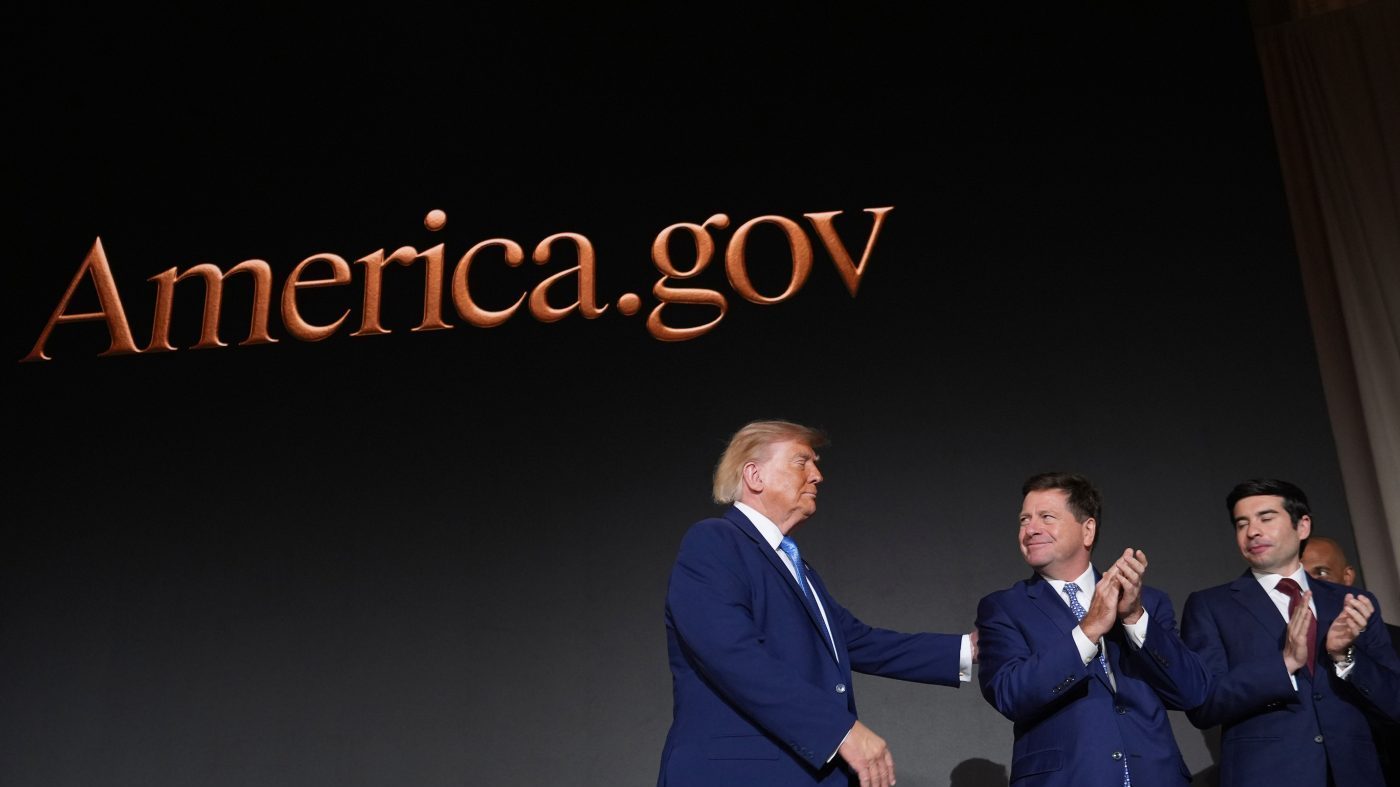
President Trump's selection of four administration officials to helm his newly announced "Super Intelligence Force" is providing a rare look at how the White House intends to navigate the complex landscape of artificial intelligence, particularly as concerns over its risks intensify.
The group, announced over the weekend, brings together leaders from across the government, each reflecting different priorities within the administration after months of mixed signals on AI policy. Trump has now rebranded AI as "super intelligence," signaling a more ambitious framing of the technology's potential.
The Leadership Lineup
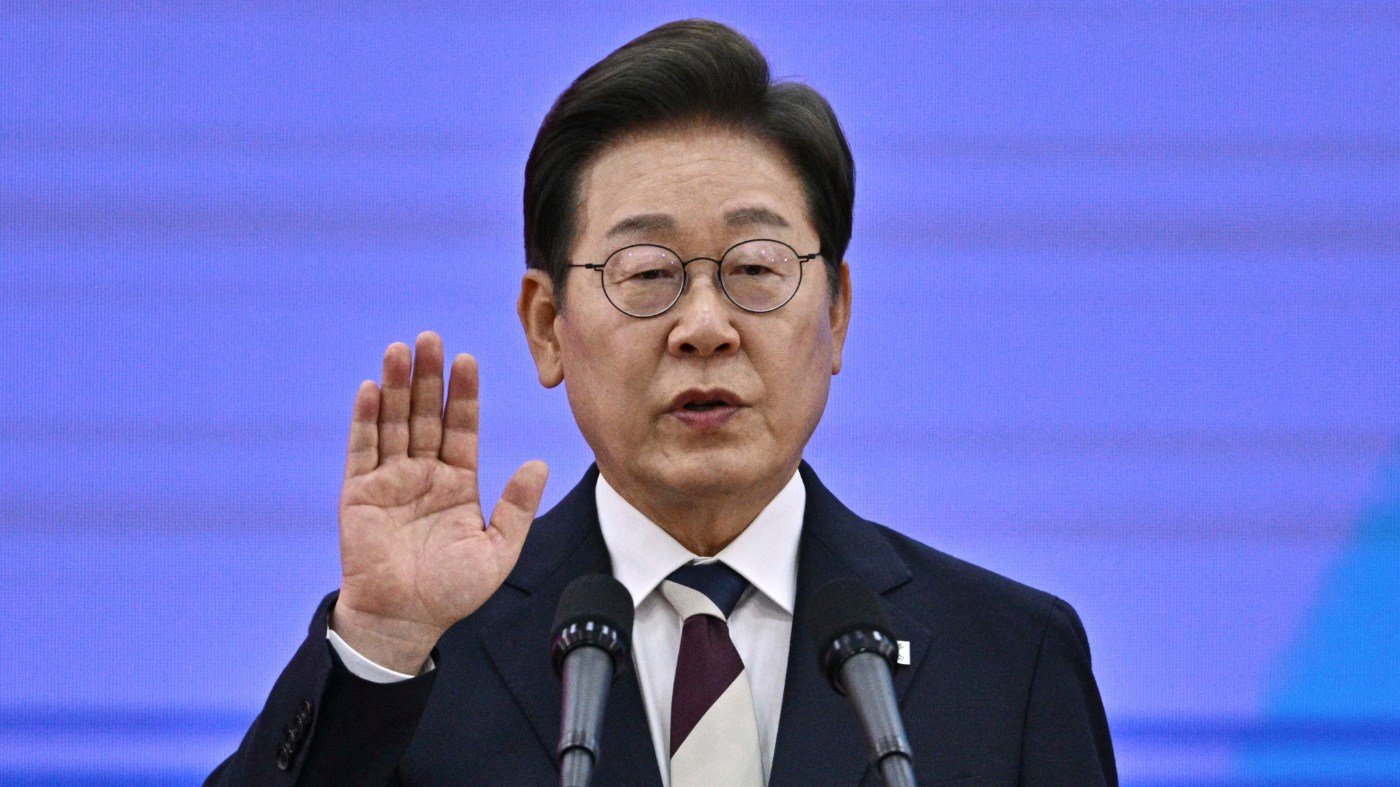
Jay Clayton, who currently leads the Office of the Director of National Intelligence (ODNI), will head the "Super Intelligence Force," or SIF. His background in finance and national security suggests a focus on both economic competitiveness and safeguarding intelligence assets.
Joining Clayton as vice chairs are Emil Michael, the Pentagon's Chief Technology Officer; Andrew Ferguson, Chair of the Federal Trade Commission (FTC); and Scott Kupor, Director of the Office of Personnel Management (OPM). This mix of defense, regulatory, and management expertise underscores the administration's multi-pronged approach.
The SIF's mandate is to explore both the benefits and the potential downsides of AI, while ensuring the United States maintains its edge in the global development race. This dual focus reflects the administration's attempt to balance aggressive advancement with necessary oversight.
Observers note that the inclusion of FTC Chair Ferguson is particularly telling, as it suggests the administration is mindful of antitrust and consumer protection issues that AI raises. Meanwhile, Kupor's presence from OPM points to a focus on the federal workforce's role in AI deployment.
Defense considerations are also front and center, with Emil Michael's role as Pentagon CTO indicating that military applications of AI will be a key priority. The administration has repeatedly stressed the need to outpace rivals like China in this critical technology sector.
The formation of the SIF comes amid a broader push by the Trump administration to assert American leadership in AI, even as critics call for more guardrails. The group's work will likely shape policy on everything from data privacy to national security protocols.
As the SIF begins its work, the tech industry and policy watchers will be closely monitoring its first moves. The selection of these four officials signals that the administration is serious about treating AI as a top-tier strategic issue, with implications that cut across economic, defense, and regulatory domains.
In related developments, the administration has also been active in other tech-adjacent areas, including a major investment in submarine manufacturing and a high-profile media merger, as it seeks to bolster American competitiveness on multiple fronts.