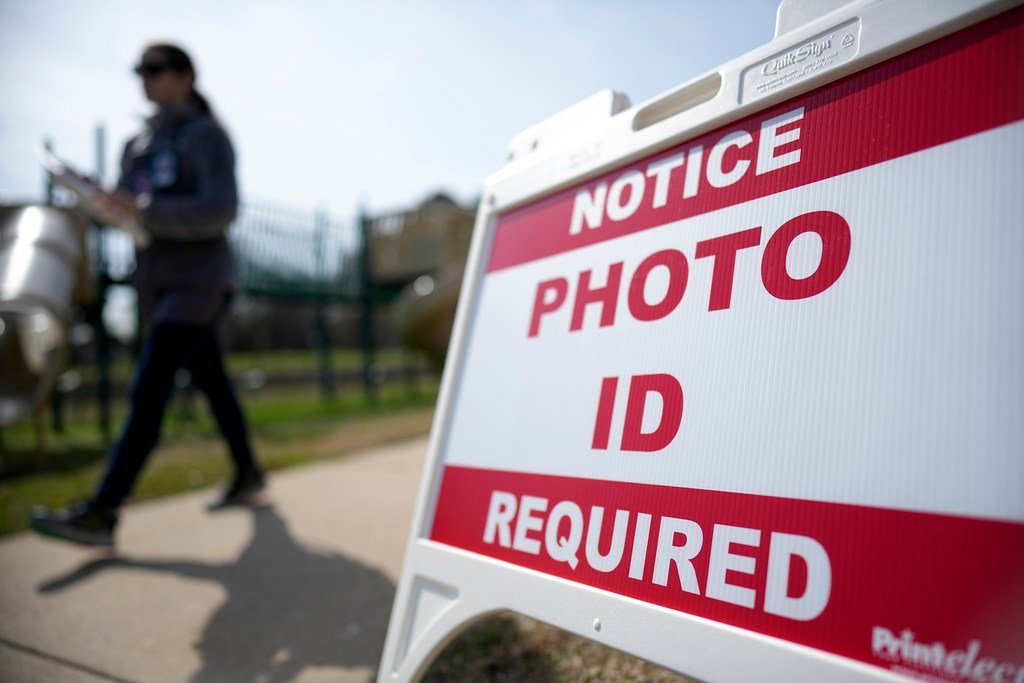
Republican leaders managed to turn a near-certain victory on voter ID into a self-inflicted defeat, fumbling a policy that polls showed had overwhelming public backing. An August 2025 Pew Research Center survey found 83 percent of U.S. adults supported requiring government-issued photo identification to vote, including 95 percent of Republicans and 71 percent of Democrats. Yet after months of procedural maneuvering and missed opportunities, the SAVE America Act languished without a Senate vote, leaving Republicans to blame Democrats and the filibuster for their own failure.
A series of missed chances
The House passed the SAVE Act—which would require documentary proof of citizenship for federal voter registration and photo ID at the polls—in July 2024 and again in April 2025, but neither effort advanced in the Senate. An expanded version, the SAVE America Act, passed the House on February 11, 2026, by a 218–213 vote. However, a Senate cloture vote on a narrower photo-ID amendment on March 26 drew only 53 votes, and an August 8 vote to advance a stand-alone photo-ID bill mustered just 52—both far short of the 60 needed.
The failure stems from four overlapping factors: substantive disagreements, partisan polarization, legislative overreach, and institutional choice.
Substantive disagreements were ignored
While voter ID itself was popular, the SAVE America Act was weighed down by complex provisions on citizenship documents, acceptable ID forms, name discrepancies, federal data sharing, voter roll maintenance, mail voting, and implementation burdens. Senator Lisa Murkowski (R-Alaska) supported voter ID but opposed the broader bill over federalism concerns, rural access issues, and implementation problems unique to her state. These were legitimate objections that demanded serious engagement, yet Republican leadership treated internal opposition as an annoyance rather than an invitation to negotiate.
Polarization turned policy into a loyalty test
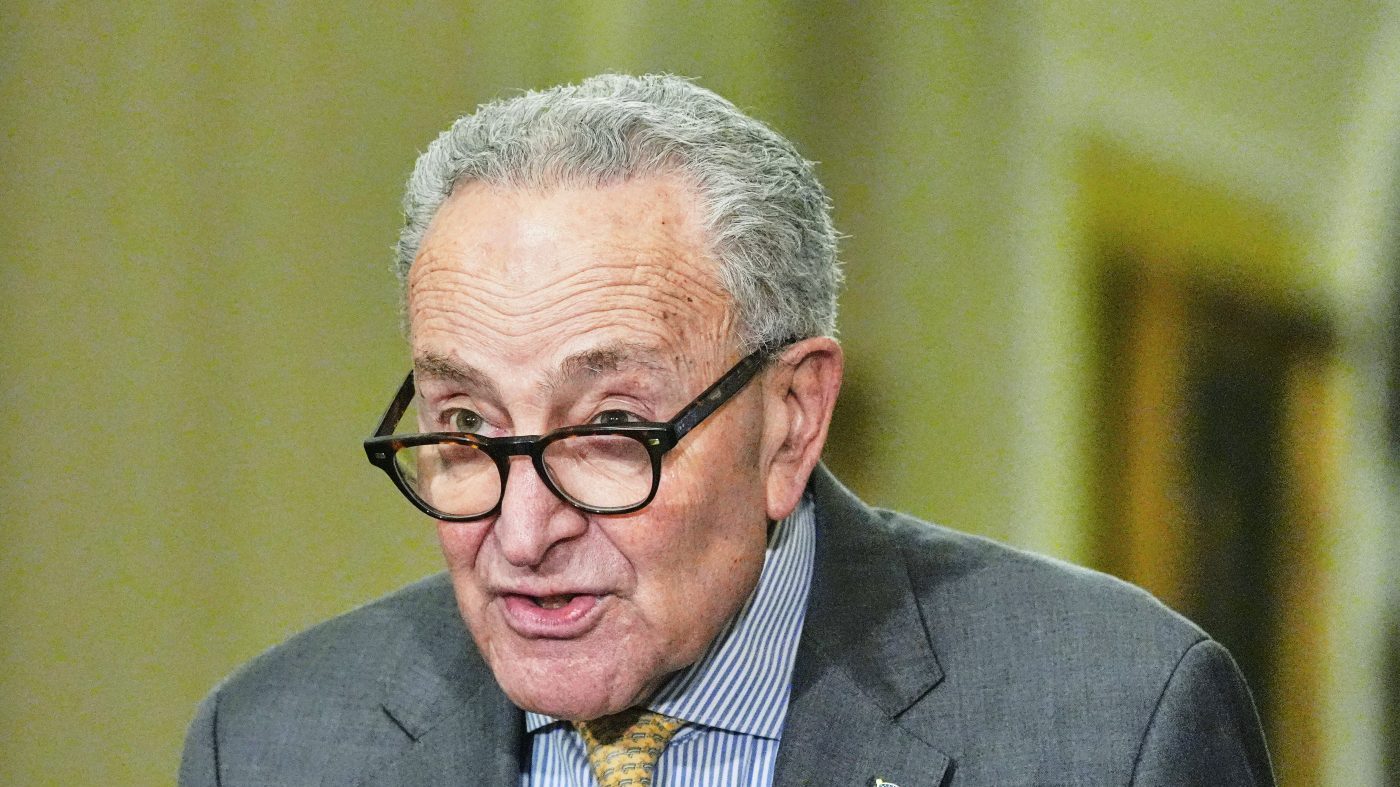
Senate Democratic Leader Chuck Schumer invoked the Freedom to Vote Act, a sweeping 2021 proposal that included broader ID options and voter protections, but also redistricting and campaign finance changes. Democrats offered no viable counterproposal, instead using floor speeches and press releases to score points. Republicans eventually separated photo ID from the citizenship provisions, but no Democrat voted for any narrower version. The result was a stalemate where both parties prioritized political advantage over legislative progress.
Overreach and unrelated amendments
Both parties made matters worse by attaching unrelated policy demands. Senator Eric Schmitt (R-Mo.) tied election provisions to restrictions on transgender participation in women's sports and transition-related surgeries for minors. Senator Dick Durbin (D-Ill.) filed amendments on cryptocurrency and airline rewards. This was not traditional pork—it was an election bill carrying ideological baggage that widened the fight when the goal should have been to narrow disagreements.
The filibuster and leadership failure
The most critical failure was institutional. The filibuster is not a sacred relic; it is a procedural choice. Republicans, despite controlling both chambers, chose to preserve it rather than pursue rules changes or negotiate a 60-vote coalition. Senate Republican Leader John Thune either lacked a playbook or was ordered not to act. The party let the clock run out before the August recess, then blamed Democrats and Senate procedure for the delay. As one political analyst noted, "Preserving procedure took priority over passing legislation."
The public record is full of speeches, amendments, and accusations, but strikingly thin on genuine bipartisan bargaining. Republicans produced roll-call votes and campaign talking points instead of a governing coalition. Consequently, election policy will continue to be shaped by executive actions, litigation, and a patchwork of state laws—approaches that are less effective, uniform, and durable than federal legislation. With polls suggesting Democrats could win control of either chamber in November, the SAVE America Act may be dead. The blame rests squarely on Republican leadership, which squandered a golden opportunity and handed their opponents a potent midterm issue. Trump's rally tour isn't helping either, as it's energizing Democratic voters more than Republicans.