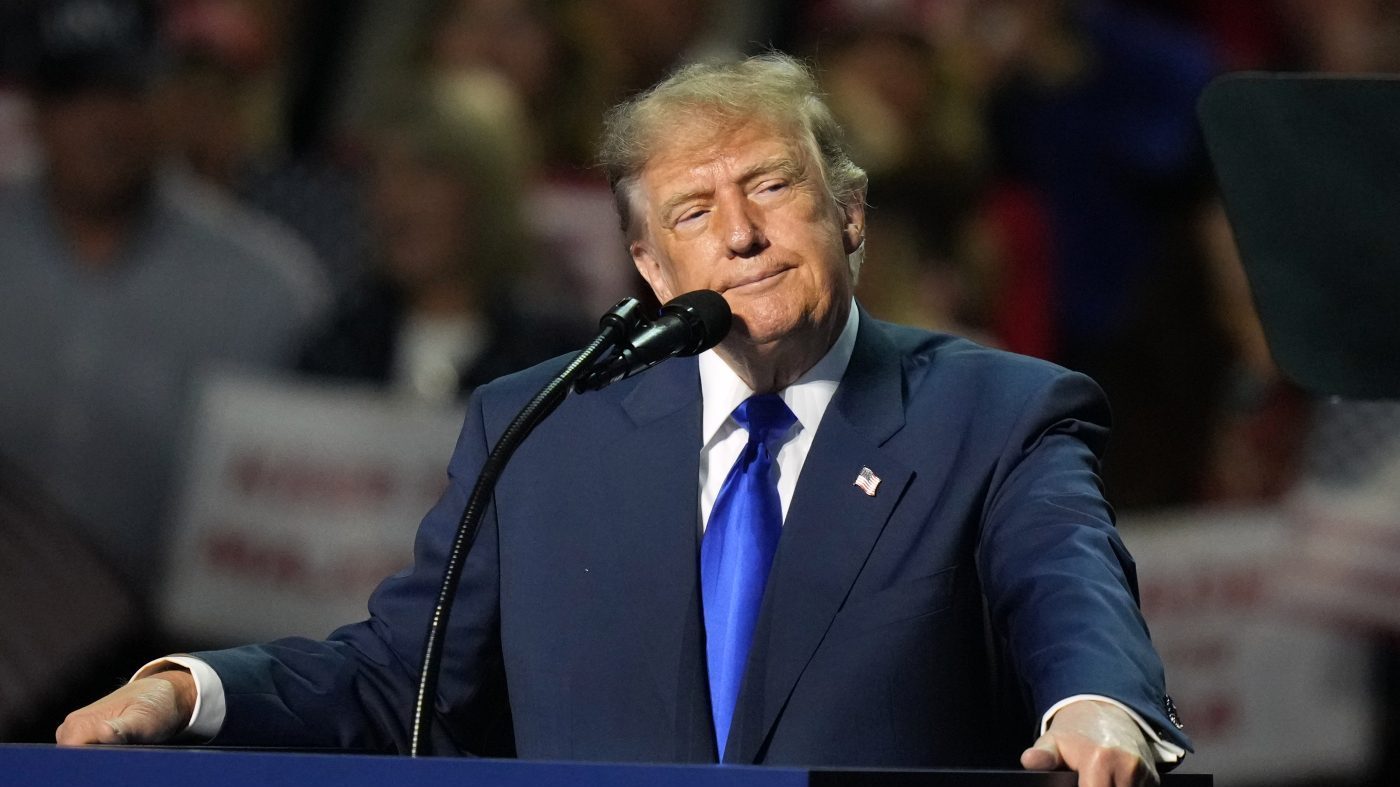
With the midterm elections just weeks away and Republicans struggling to counter voter anger over healthcare expenses, President Trump is turning to a familiar playbook: mailing checks. Last week, the administration announced that more than 20 million Medicare Part B beneficiaries would receive $90 payments, either by paper check or direct deposit. That move follows the rollout of $500 "refund" checks to roughly 1 million Americans who were allegedly overcharged for Affordable Care Act (ACA) premiums under the Biden administration.
The president has also revived his promise of a $5,000 "Trump dividend" for every adult citizen, a pledge contingent on the GOP keeping control of Congress. These actions, coming on the eve of the midterms, are widely seen as a political Hail Mary to shore up support among older and working-class voters—demographics that have been hit hard by rising costs and whose loyalty may be wavering.
Republican strategists acknowledge the party's vulnerability on healthcare. "I don't think there's any doubt Republicans have never been particularly good at healthcare messaging, and I certainly don't think we are winning the day on it right now," said Jason Cabel Roe, a Michigan-based GOP consultant working on Rep. Tom Barrett's campaign. Yet Roe noted that healthcare hasn't surfaced in polling as prominently as expected, which may be leading some Republicans to downplay the issue.
But recent surveys suggest otherwise. A KFF poll released this week shows healthcare costs and gas prices are tied as Americans' top economic worries, with voters favoring Democrats by nearly two-to-one on handling healthcare costs. A Gallup survey from March found that more Americans are concerned about the availability and affordability of healthcare than any other domestic policy issue, and a third said they had made at least one tradeoff in daily living expenses to afford care. Even the GOP base is feeling the pinch: a KFF-AP poll from September found that rural voters, by a more than two-to-one margin, believe the Trump administration's policies have worsened their healthcare costs and access to care.
Democrats have historically held an advantage on healthcare, while Republicans have led on the economy. But healthcare costs are a bridge issue, sitting at the intersection of both. "Healthcare costs are kind of at the intersection of both those as an economic and healthcare issue, and we're seeing how Democrats are offering potentially some solutions to meet voters' frustrations... whereas Republicans aren't really talking about much other than fraud, waste, and abuse," said Shannon Schumacher, a senior survey analyst at KFF.
Some GOP operatives argue the party can overcome this liability, but it will take more than checks. "You say, 'Hey, here's something we made affordable. Send us back to Washington and we will make sure aspects of our healthcare system more affordable for you,'" said Ford O'Connell, a Republican strategist and former Trump campaign surrogate. He suggested Republicans should emphasize that "Medicare for All" would drive up costs and stress the current system, while touting GOP efforts to lower drug prices.
The White House, however, is framing the payments as fulfilling Trump's promise to put patients first. "President Trump is delivering on his promises to lower costs for American patients by putting them first and taking on the special interests that have used the status quo in Washington to raise healthcare costs for Americans," the administration said in a statement.
But critics see the move as a desperate gimmick. The $500 ACA refund checks are only going to enrollees in 30 states that use the federal exchange—many of them battlegrounds—leaving out about 18 million people. Leslie Dach, chair of the liberal advocacy group Protect Our Care, said, "People want assistance, but they see right through the gimmicks. What this administration is taking away from them is astronomical, and what they're trying to give back is not going to solve their problems."
Mark Weaver, a GOP strategist in Ohio, called the payments "a venerable tradition" of promising free money, but admitted that Republicans have not delivered long-term solutions. As the midterms approach, the effectiveness of these checks remains uncertain, but they underscore the party's anxiety over an issue that could tip the balance in tight races. For more on the GOP's midterm messaging struggles, see Trump's latest ad funding reversal and the stakes if Democrats take the House.