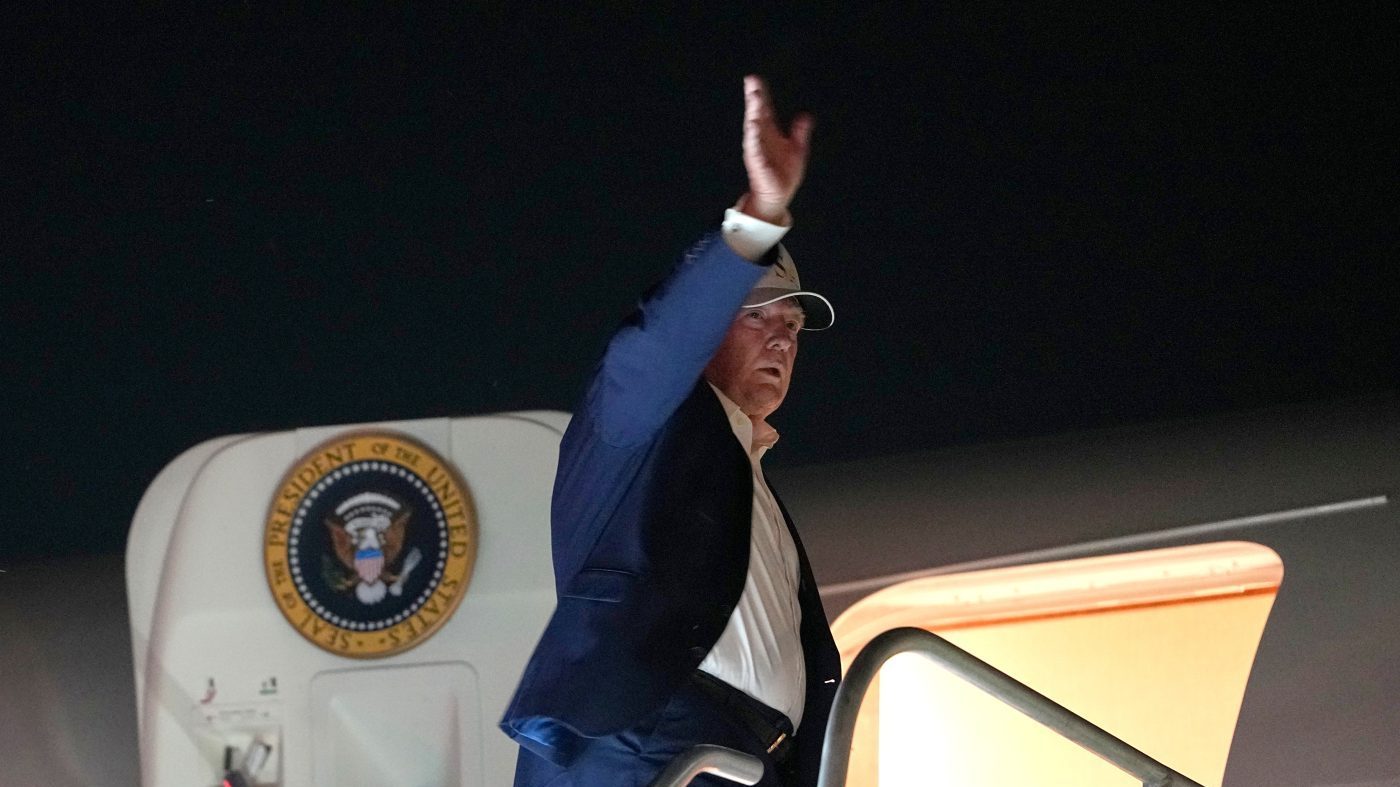
President Donald Trump, in a Sunday interview on CBS's 60 Minutes, placed the blame for the prolonged Russia-Ukraine war squarely on the personal enmity between Kyiv's and Moscow's leaders, asserting that the hatred between Ukrainian President Volodymyr Zelensky and Russian President Vladimir Putin is the primary obstacle to reaching a peace deal.
Asked by CBS's Ross Douthat about his repeated campaign promise to end the conflict—now approaching its fifth year—Trump said, "It was the hatred between Zelensky and Putin. If I had been president that war would've never started. Zero chance. But it did start. So I inherited that war. I believe we're very close to making a deal."
When Douthat pressed whether Trump trusted one side more than the other, the president demurred: "I'd rather not say, but I get along with both. I believe that that war is going to end, and it's going to end soon. And the only reason it's going to end is because of me. There is tremendous hatred between President Putin and President Zelensky."
Douthat noted that Zelensky's animosity might be understandable given Russia's unprovoked invasion. Trump responded, "Well, it is. But when they had their first meeting there was great disrespect shown to Russia. So I'm not going to say anything." He added, "Let's put it this way: the war never happened during my four years, and it was never going to happen, even though it was the apple of President Putin's eye."
The president's comments come as he faces mounting political fallout over his handling of the conflict. In recent months, Trump has blamed the war for rising fuel costs, a key issue that hurt Republicans in the midterm elections and contributed to Tuesday's Democratic wave. His concession that his immigration stance may have fueled GOP losses highlights the broader electoral challenges his party now confronts.
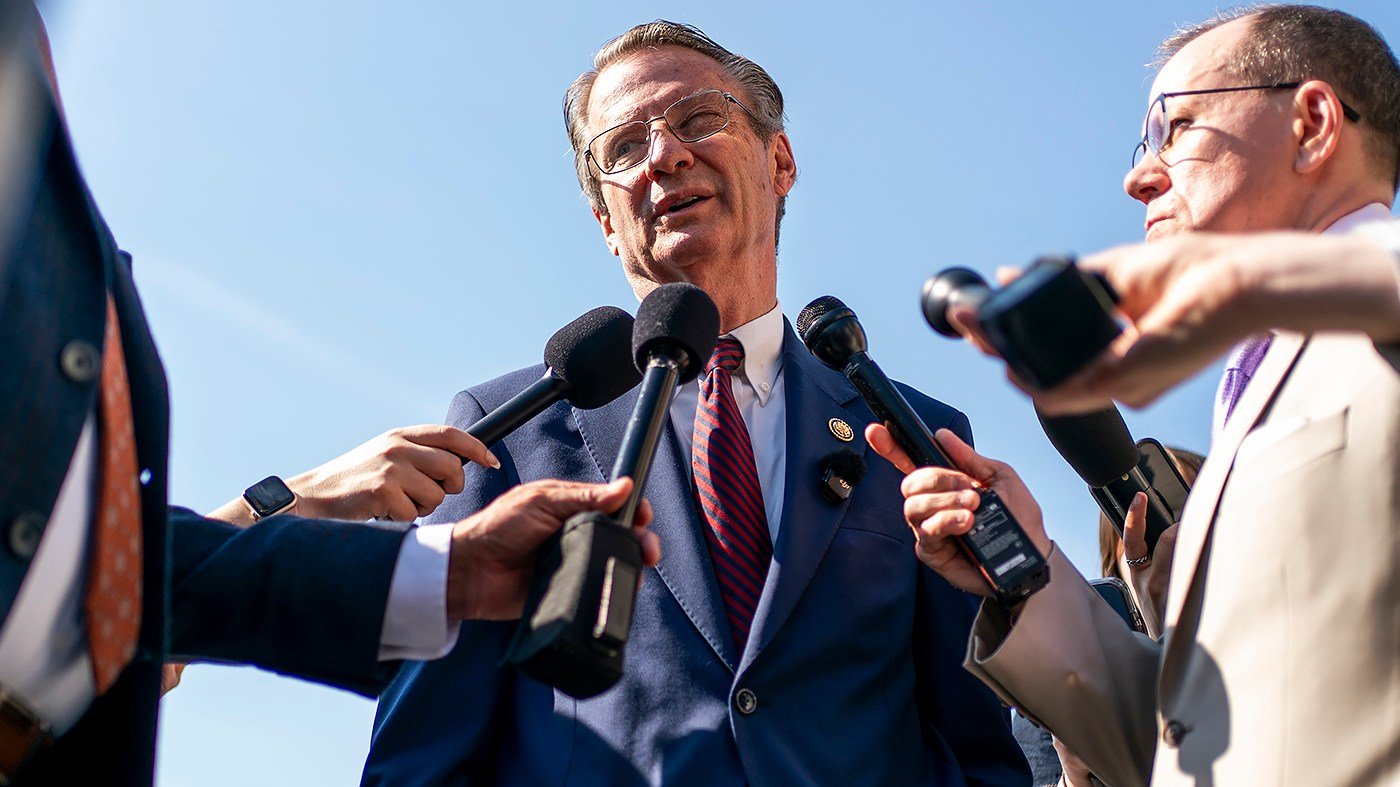
Last month, Trump announced on Truth Social that both countries had agreed to an energy ceasefire, but Russia quickly struck a power plant in eastern Ukraine, undermining the deal's credibility. To ease global oil and gas markets strained by the war in Iran, Trump also announced a diesel deal with Russia—a move that drew sharp bipartisan criticism. Sen. Thom Tillis (R-N.C.) called the agreement "beyond irresponsible."
Zelensky, in response, told NBC News's Kristen Welker, "If United States will support Putin, I mean, it's unbelievable, it's tragedy, it's historic mistake and big tragedy." The Ukrainian leader's warning underscores the stakes as Trump pushes for a negotiated settlement.
The president's latest remarks are likely to intensify scrutiny as he prepares to face 60 Minutes again after the midterm rout, with Democrats vowing to investigate his foreign policy decisions. Meanwhile, his administration's approach to Russia remains a flashpoint, with critics questioning whether he is too lenient toward Putin.
As the war grinds on, Trump insists a deal is imminent, but his emphasis on personal animosity rather than substantive policy differences has drawn skepticism from diplomats and lawmakers alike. Whether he can deliver on his promise remains an open question.