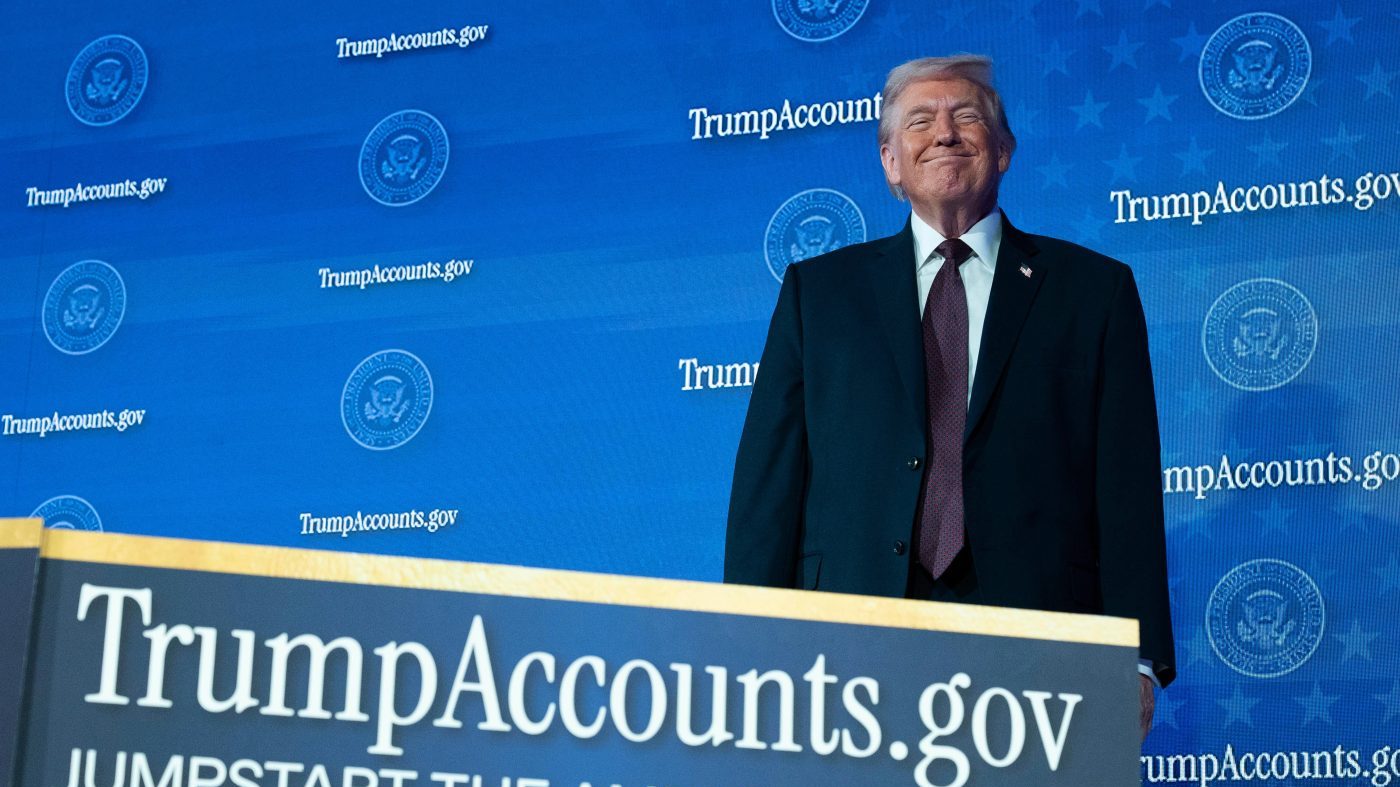
The Trump administration officially rolled out its newborn investment program on Saturday, branding the federal savings accounts as 'Trump Accounts' and tying the launch to America’s 250th anniversary. The initiative, which opens accounts for millions of children, is designed to provide a financial foundation for the next generation.
According to the Treasury Department, more than six million accounts have already been opened, with 1.4 million of those receiving the initial $1,000 deposit for babies born during Trump’s second term. The program is available to any child under 18 with a Social Security number, but the seed funding is reserved for those born between January 1, 2025, and December 31, 2028.
Wealth-Building for Families
The administration frames the accounts as a tool for expanding stock ownership and creating long-term wealth. Treasury officials estimate that the initial $1,000 deposit, if invested in a default S&P 500 ETF, could grow to roughly $6,000 by the time the child turns 18. 'It’s a beautiful thing,' Trump told CNBC earlier this week. 'It’s a child has had no money, and when that baby becomes a man or a woman, they can have hundreds of thousands of dollars, maybe more.'
Roughly 86 percent of the accounts opened so far belong to families earning less than $200,000 per year, according to Treasury data. The accounts function similarly to traditional IRAs, with tax-deferred growth, and are controlled by parents or guardians until the child turns 18. Funds can be withdrawn without penalty for education, starting a business, or a first home down payment.
Program Costs and Private Support
The program is part of the broader Working Family Tax Cuts law signed by Trump. The nonpartisan Committee for a Responsible Federal Budget estimates it will cost $17 billion through 2028. Parents and employers can contribute to the accounts, but contributions are not tax-deductible for families. Employers, however, can make pre-tax contributions to an employee’s child’s account tax-free.
More than 50 companies, including Uber and Intel, have pledged to contribute to employees’ children’s accounts. Trump also told CNBC he expects Elon Musk’s SpaceX to donate stock, though Musk has not publicly confirmed that. The Michael & Susan Dell Foundation has committed $6.25 billion for additional deposits into accounts of low-income children who don’t qualify for the federal seed funding.
Political and Security Context
The rollout coincides with heightened security on the National Mall for Trump’s 250th anniversary address, as officials brace for large crowds and potential disruptions. The program has drawn both praise and criticism, with some lawmakers questioning its cost and long-term viability. Meanwhile, the administration defends it as a direct investment in American families.
As the accounts go live, the Treasury Department continues to manage enrollment and investment options. The default investment remains an S&P 500 ETF, but families can choose from a range of U.S. stock index funds or ETFs. The program is expected to expand stock ownership among younger generations, a key goal for the administration.