Centers for Medicare and Medicaid Services Administrator Dr. Mehmet Oz disclosed that President Donald Trump has developed a humorous, scientifically dubious defense for his well-documented consumption of diet soda: claiming the beverage destroys cancer cells. The revelation came during an interview on Donald Trump Jr.'s "Triggered" podcast, offering a glimpse into the president's personal habits and characteristic defiance of conventional health advice.
An Anecdote from Air Force One
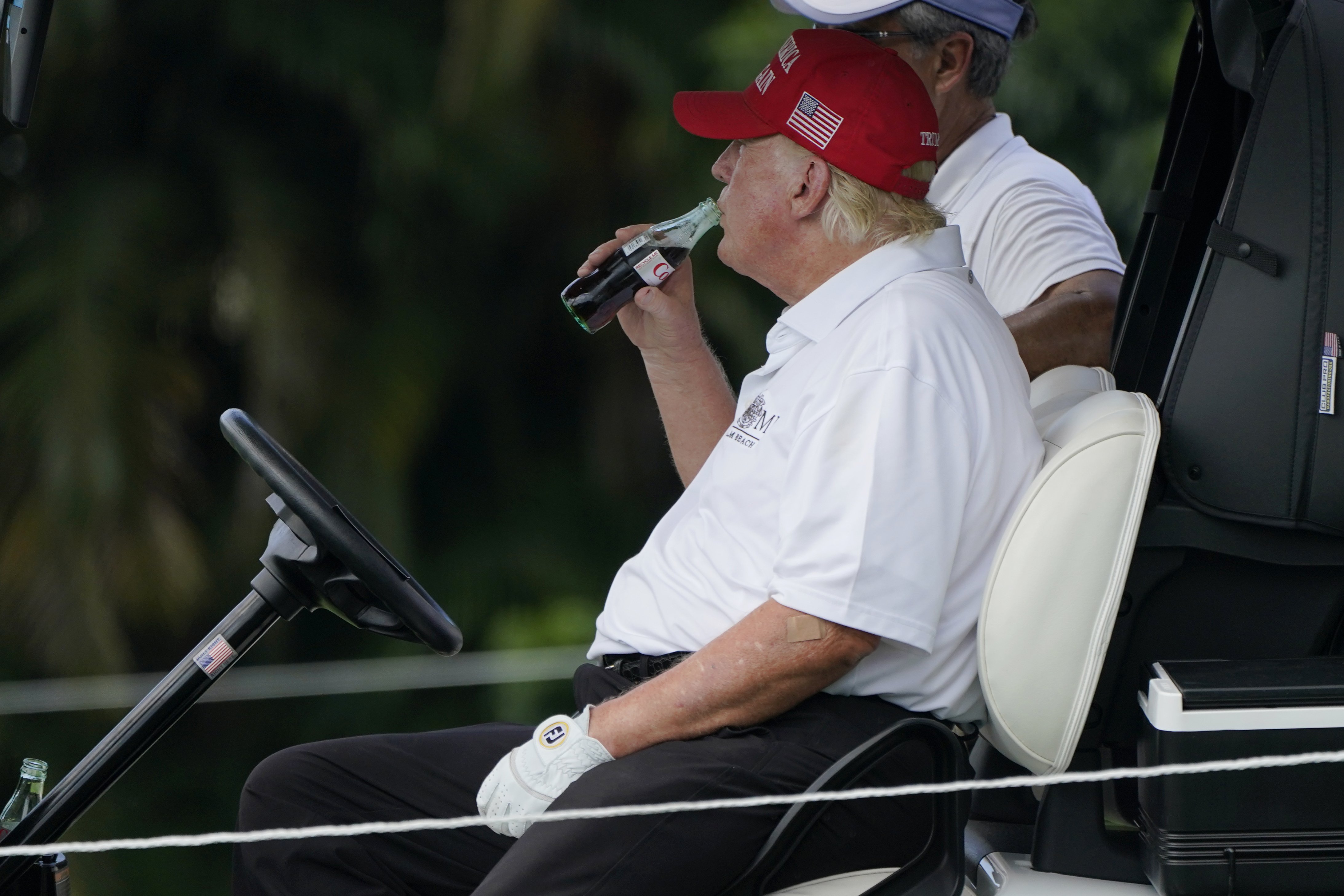
Oz recounted a specific instance aboard Air Force One when he questioned Trump about an orange Fanta soft drink on the presidential desk. "He starts to, like, sheepishly grin," Oz told the president's son. "He goes 'You know, this stuff's good for me, it kills cancer cells.'" Oz said Trump further justified the drink by insisting it was "fresh squeezed," prompting laughter from Trump Jr., who suggested his father might be "onto something." The younger Trump praised his father's exceptional energy and stamina for a man nearing 80.
The story originated from a broader conversation where Oz noted Trump's unusual logic, telling the podcast host, "Your dad argues that diet soda is good for him because it kills grass. It's poured on grass, so therefore must kill cancer cells inside the body." This personal anecdote adds to the public record of Trump's idiosyncratic public persona, often highlighted by his allies.
Medical Experts Issue Swift Correction
The viral exchange prompted immediate corrections from medical professionals. Dr. Owais Durrani, an emergency medicine physician who interned at the White House during the Obama administration, posted a video on Instagram stating plainly, "Friendly reminder from a doctor, diet soda or soda does not kill cancer cells." The pushback underscores the tension between presidential quips and public health messaging.
The scientific community has long debated the health implications of artificial sweeteners like aspartame, common in diet drinks. The International Agency for Research on Cancer, the World Health Organization's cancer research arm, has classified aspartame as "possibly carcinogenic to humans," though evidence remains inconclusive. The president's joke, therefore, touches on an area of genuine, if unresolved, scientific concern.
White House Dismisses Remark as Humor
When pressed on the claim during a White House briefing, Press Secretary Karoline Leavitt laughed it off, suggesting it was typical of the president's sense of humor. "Look, as well as known in this room, I think you know, the president has a very good sense of humor," Leavitt said. "It's one of his most underreported characteristics." She then chided the Wall Street Journal reporter who asked the question, saying the outlet "should get a better sense of humor." This deflection is consistent with the administration's approach to controversial statements from the president, often framing them as jokes or media misunderstandings.
Context of Trump's Documented Dietary Habits
Trump's diet soda justification fits within a well-established pattern of his affinity for fast food and sugary drinks. Health and Human Services Secretary Robert F. Kennedy Jr. noted in a separate January podcast that Trump "eats really bad food, which is McDonald's, and, you know, candy and Diet Coke. He drinks the Diet Coke at all times." Kennedy expressed bafflement at the president's vitality despite these habits, concluding, "He has the constitution of a deity. I don't know how he's alive, but he is."
The episode, while lighthearted, occurs against a backdrop of serious policy debates over healthcare and public wellness. As CMS administrator, Dr. Oz leads the agency overseeing Medicare and Medicaid, programs central to the health of millions of Americans. His participation in the podcast, sharing this anecdote, blurs the line between official capacity and personal commentary. It also follows other moments where administration figures have used media appearances to shape the narrative around the Trump presidency.
Ultimately, the story highlights how Trump's personal brand—built on challenging expertise and embracing contradiction—permeates even minor interactions. The medical pushback serves as a reminder of the enduring expectation for factual accuracy from public figures, even when they claim to be joking. For a president who has consistently prioritized political combat over policy nuance, a debate over soda and cancer cells is merely the latest skirmish.