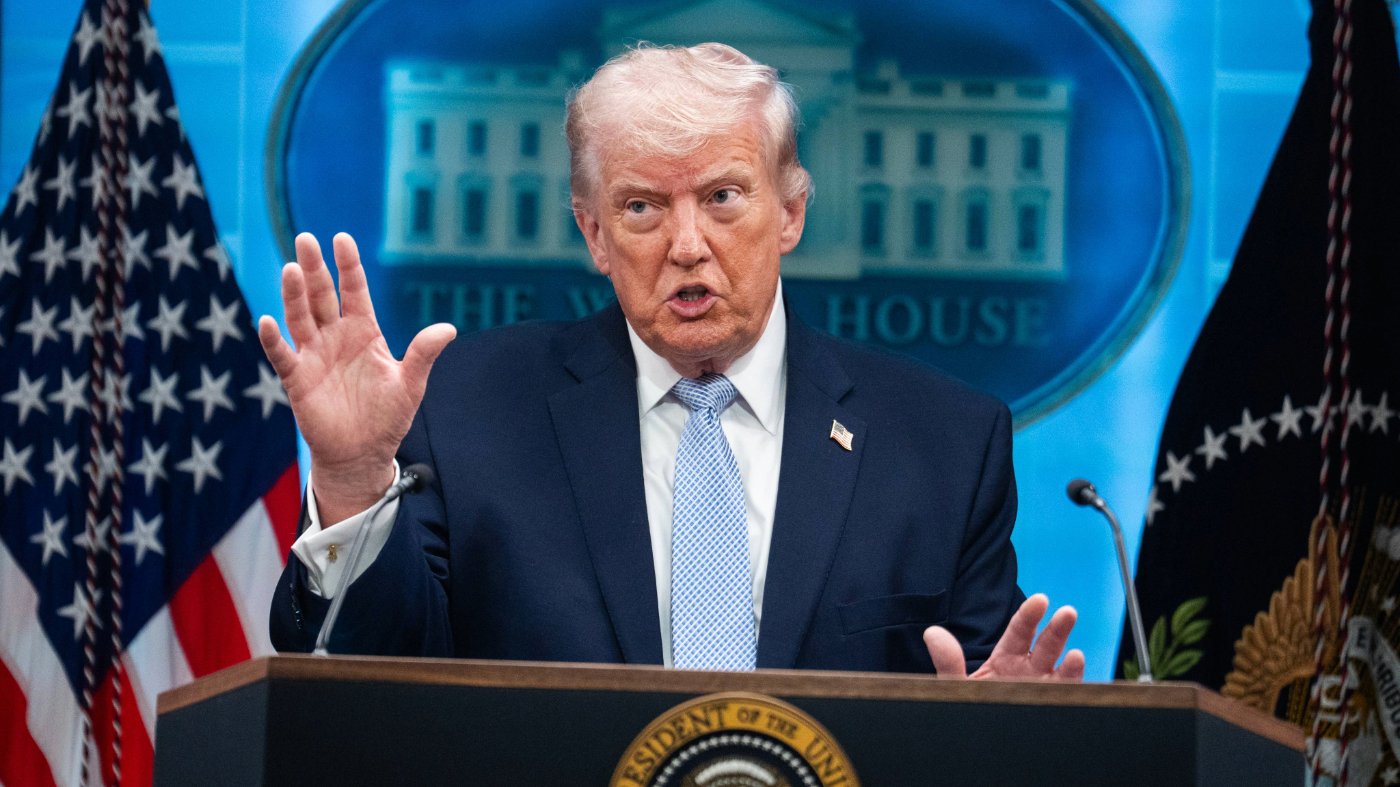
President Trump acknowledged Friday that Iran has not yet signed on to a peace deal, attributing the delay to the regime's sense of strength and pride. But he warned that Tehran ultimately has little alternative but to come to the table.
“They’re strong, they’re proud, there are things they never thought they’d be doing that they’re going to have to do,” Trump said in an interview with NBC’s Kristen Welker, set to air Sunday. “They’ve got no choice, and it takes a little while.”
The president has resisted calls for a rushed long-term agreement with Iran covering its nuclear ambitions and control of the Strait of Hormuz, a critical chokepoint for global oil shipments. Talks have been complicated by the ongoing conflict between Israel and Hezbollah, the Iran-backed militant group based in Lebanon, as well as Iranian attacks on U.S. allies in the Gulf, including Kuwait, Qatar, and the United Arab Emirates.
Trump’s comments come amid a backdrop of heightened tensions and a fragile ceasefire agreed to in April, which both sides have accused the other of violating. U.S. military officials describe American strikes as acts of self-defense, while Iran says Washington broke the truce by backing Israel’s offensive in Lebanon.
Earlier this month, Iran announced it would withdraw from negotiations with the U.S. in protest of the ground campaign against Hezbollah. The president, however, dismissed concerns about the pace of diplomacy, comparing his timeline favorably to past conflicts. “I’m moving very fast. I’m into three months. You know, Vietnam lasted 19 years. I’m into my third month, and all they do is say, ‘Whoa, when are you going to win?’” he told Welker.
Trump also suggested that the media and political pressure would be lighter if he were a Democrat. “If I were a Democrat, nobody would be talking that way, but it doesn’t matter to me. I’ve gotten so used to it,” he said.
The administration’s approach to Iran is drawing scrutiny as it also faces internal GOP pushback on other fronts. Trump faces a growing rebellion within his own party as midterm elections approach and approval ratings dip. Meanwhile, the president’s handling of international negotiations contrasts with his hesitancy on a Ukraine drone deal that experts say could undermine U.S. military advantages.
With the Strait of Hormuz remaining a flashpoint and Hezbollah’s role unresolved, the path to a comprehensive agreement remains uncertain. Trump’s insistence that Iran will eventually capitulate underscores his administration’s strategy of maximum pressure, even as regional allies grow anxious about the fallout.