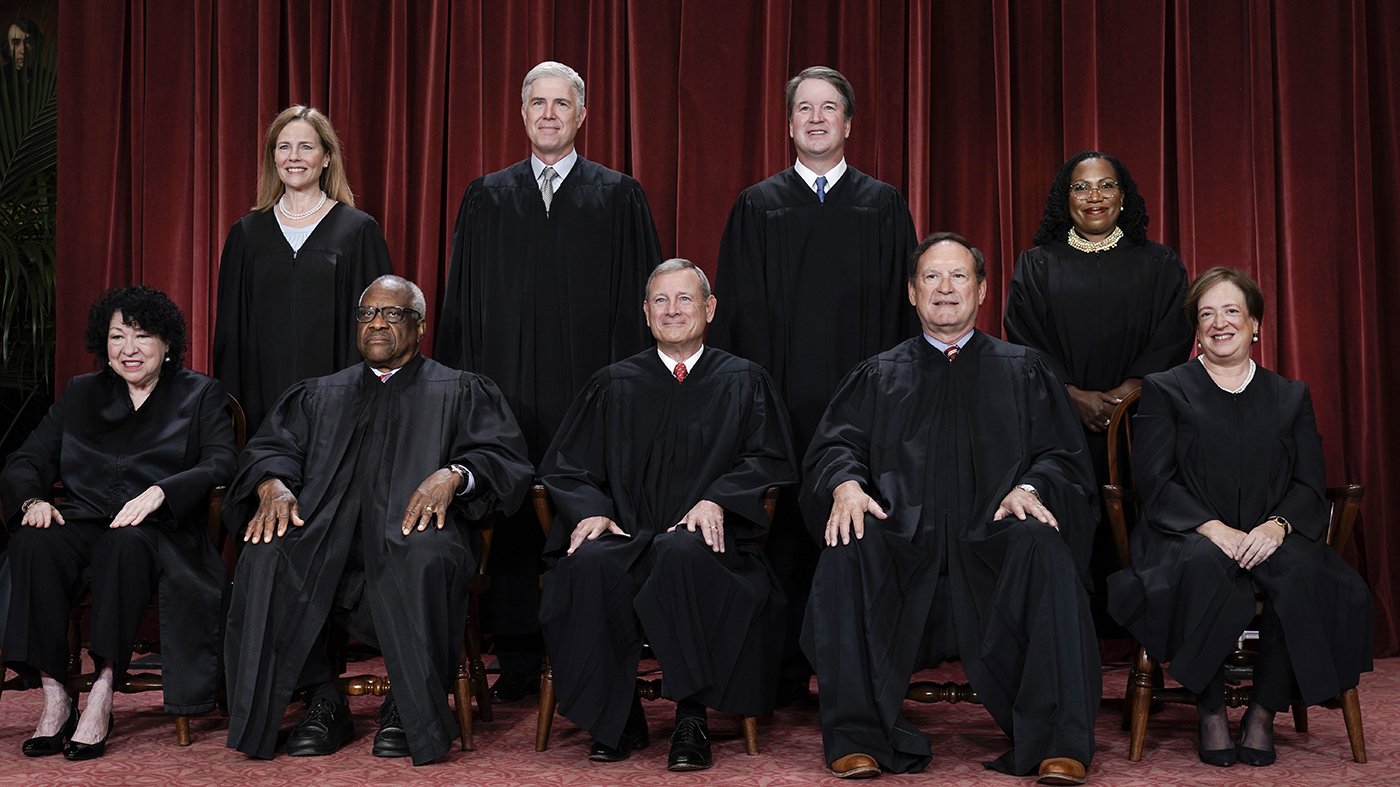
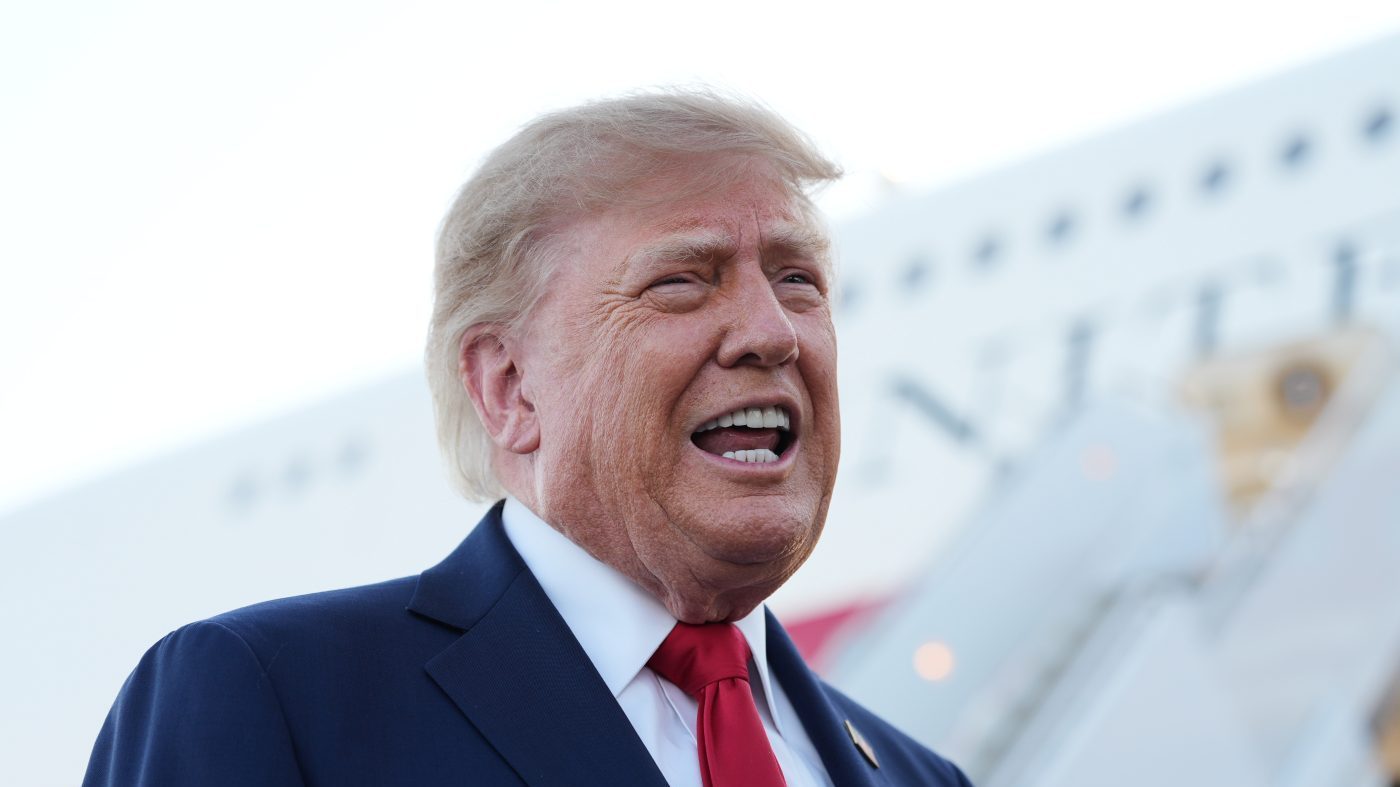
Former President Donald Trump escalated his public campaign against the Supreme Court's conservative wing on Wednesday, declaring that certain justices he helped appoint have "gone weak, stupid, and bad." In a detailed post on his Truth Social platform, Trump argued these jurists fail to maintain the ideological cohesion he claims defines the court's liberal bloc.
"The Democrat Justices stick together like glue, NEVER failing to wander from the warped and perverse policies, ideas, and cases put before them," Trump wrote. He contended that by contrast, conservative justices have handed Democrats "win after win" by not presenting a united front.
Targeting His Own Appointees
Trump's frustration appears directed primarily at Justices Neil Gorsuch and Amy Coney Barrett, both of whom he nominated. The immediate catalyst is the Court's 6-3 decision in February that invalidated the bulk of Trump's expansive tariff program. In that ruling, Gorsuch and Barrett sided with Chief Justice John Roberts and the liberal justices to find that the former president's use of the International Emergency Economic Powers Act exceeded statutory authority, striking a major blow to a central plank of his economic agenda.
The financial and administrative fallout from that decision is now underway. U.S. Customs and Border Protection opened a portal this week to process refunds for importers and brokers who paid the tariffs, a development Trump labeled a "travesty." He suggested it would be "brilliant" for American companies to forgo seeking refunds and implied he would remember those who did not. "Handing over 159 Billion Dollars in Tariff refunds to people who have been Ripping Off our Country for years, is unexplainable," he wrote.
Pessimism on Birthright Citizenship
Trump also expressed deep skepticism about his administration's pending case on birthright citizenship. After attending oral arguments earlier this month where justices appeared skeptical of the government's position to limit the 14th Amendment's scope, Trump predicted another defeat. "If they rule against our Country on Birthright Citizenship, which they probably will, it will be even worse," he stated, arguing such a decision would cost America "massive amounts of money" and its "DIGNITY."
This sustained judicial criticism comes amid broader political challenges for Trump, including slumping economic approval ratings and visible fractures within his political base. His attacks on the Court also intersect with ongoing debates about the institution's legitimacy, highlighted by recent revelations about its internal 'shadow docket' deliberations.
The former president's rhetoric underscores a significant tension: a leader who reshaped the federal judiciary now openly questions the loyalty and judgment of his most prominent appointees. This public breach is unusual in modern political history and reflects Trump's demand for unwavering alignment from officials he elevated to power.
As the refund process for the invalidated tariffs begins and the Court deliberates on the birthright citizenship case, Trump's remarks signal he is prepared to treat judicial decisions not as legal conclusions but as tests of political allegiance. This stance may further inflame debates about judicial independence and the politicization of America's highest court.