The Trump administration is signaling a sharp break from its predecessor on the health risks posed by so-called forever chemicals spread on farmland, releasing a draft guidance this week that takes aim at a Biden-era risk assessment linking the practice to cancer.
The Environmental Protection Agency's water chief, Jessica Kramer, issued the document criticizing a draft assessment from the final days of the Biden administration that detailed how applying contaminated sewage sludge as fertilizer could lead to unacceptable cancer risks and other health effects. That assessment had raised alarms about PFAS, or per- and polyfluoroalkyl substances, seeping into milk, beef, eggs, groundwater, and fish from farm runoff.

Kramer wrote that the Biden assessment “exhibited a number of serious flaws that have caused confusion,” pointing to a lack of a national survey of the chemicals and a focus on “higher potential for human health risk” scenarios that she said “do not reflect the majority” of actual sludge uses. Instead of regulation, her document offers “voluntary recommendations for potential ways to mitigate risks,” including avoiding sludge near drinking water sources and monitoring at wastewater plants.
Environmental advocates quickly condemned the move. Erica Kyzmir-McKeon, director of communities and toxics at the Conservation Law Foundation, said the guidance “completely fails to address the risk to human health and the environment from PFAS-contaminated sludge.” She noted that sewage sludge has been spread on millions of acres of farmland nationwide, exposing people to PFAS in soil, water, crops, meat, fish, and dust. “With this guidance document, they have made clear that they have no intention of regulating PFAS and sludge,” she added.
Kramer defended the approach in a written statement, saying the guidance “will provide Americans with commonsense recommendations that can protect public health, while also supporting wastewater systems and beneficial use of biosolids when appropriate.” The document outlines steps some states have taken, including bans, but Kramer stressed these are “presented to illustrate options that some states have considered and implemented, and they should not be interpreted as the EPA’s endorsement of these actions.”
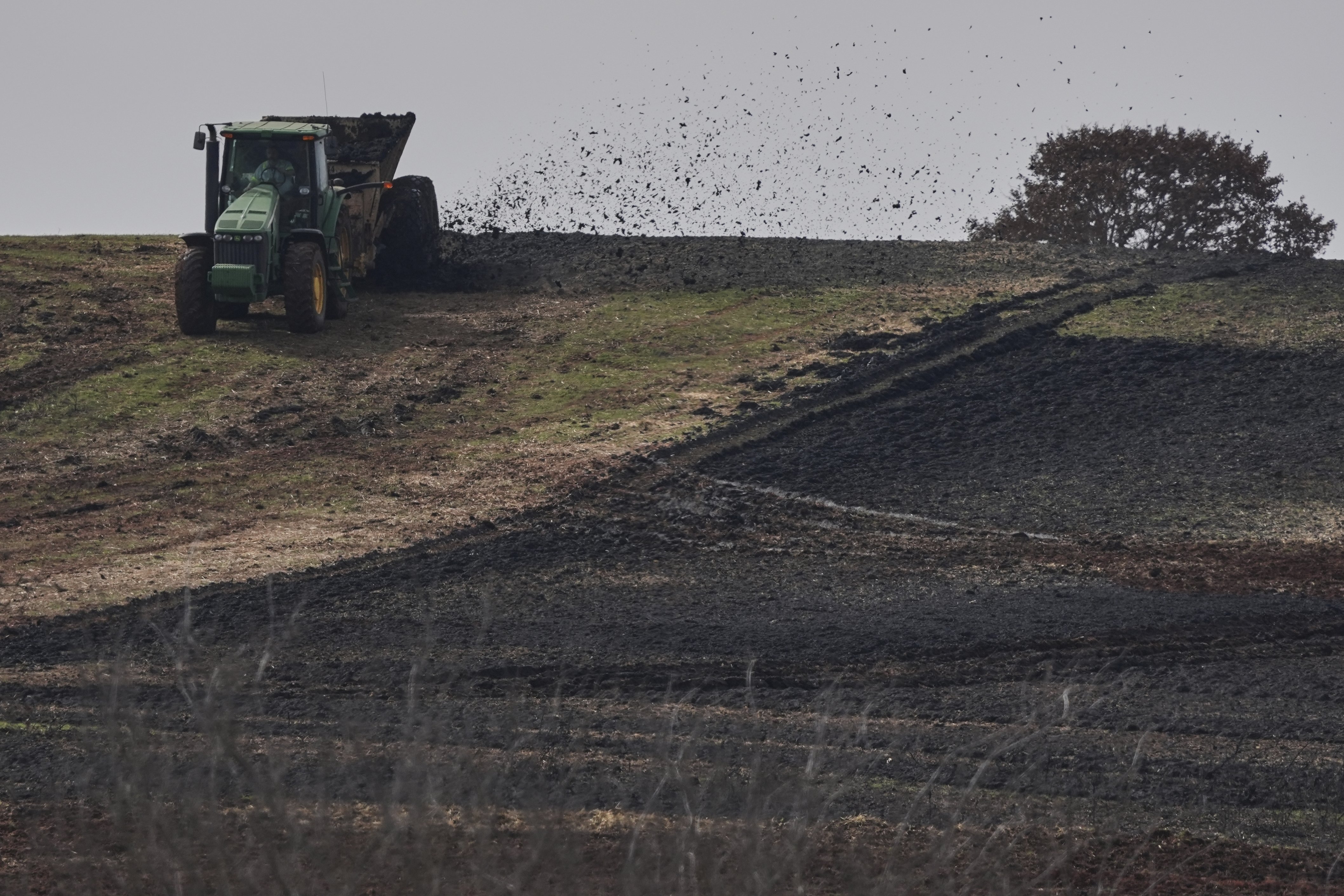
PFAS are a family of thousands of chemicals known for their waterproof and stain-resistant properties. The documents focus on two of the most studied and toxic types, PFOA and PFOS. Contamination occurs when PFAS-laden sludge—a byproduct of treating household and industrial wastewater—is applied to farmland as fertilizer. The Biden-era assessment warned that under certain conditions, this could cause unacceptable cancer risks, particularly from consuming animal products from contaminated farms.
Kramer’s guidance also noted that about 20 percent of sludge is sold directly to the public or applied to areas with regular human exposure. She recommended that consumers research suppliers and avoid using sludge for high-risk crops like leafy greens and root vegetables, or where egg-laying hens have access.
The shift comes as the Trump administration faces scrutiny over its environmental policies. Critics argue the administration is walking away from its duty to protect the public, while supporters say the guidance offers a more balanced approach. States like Maine have moved to ban sludge use or limit PFAS levels, and advocates say federal action could follow—but not under the current EPA leadership.