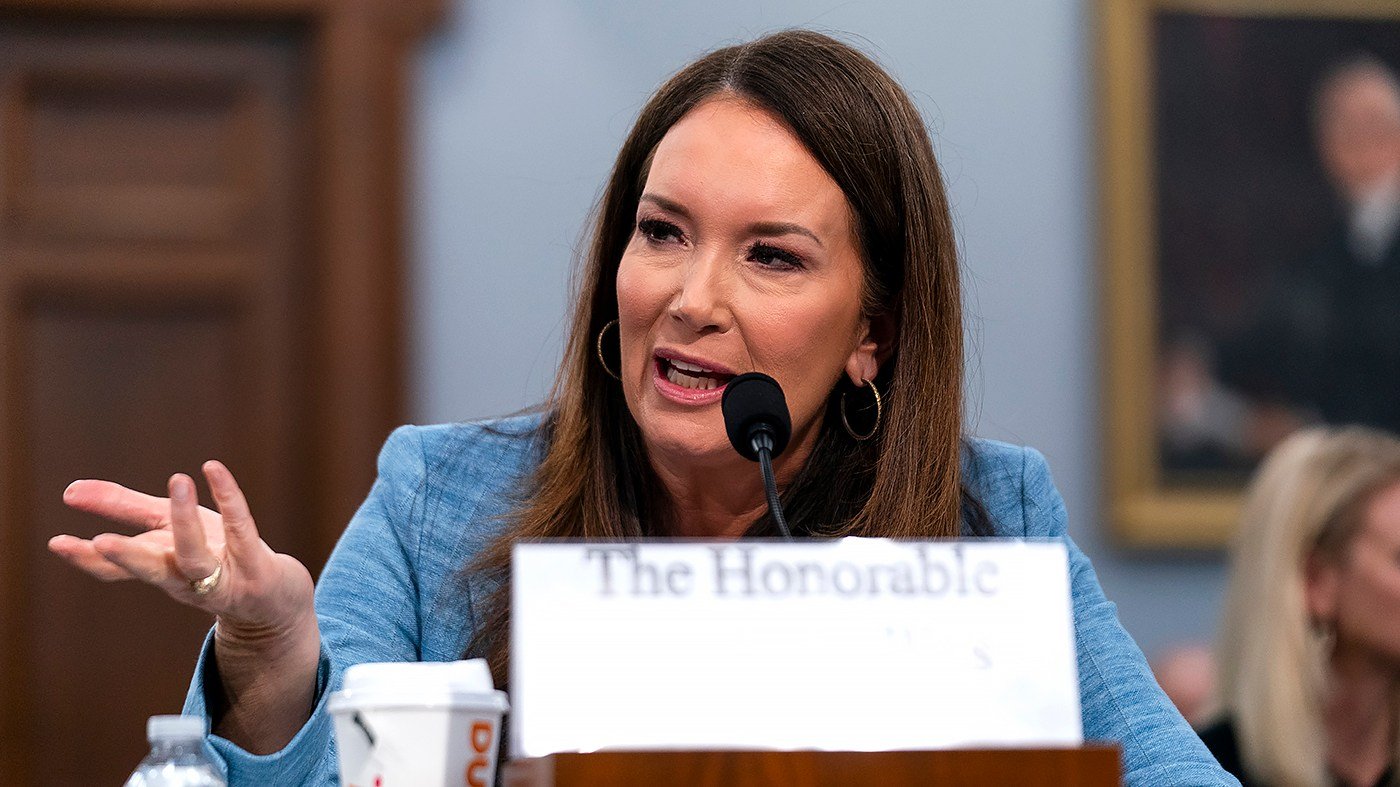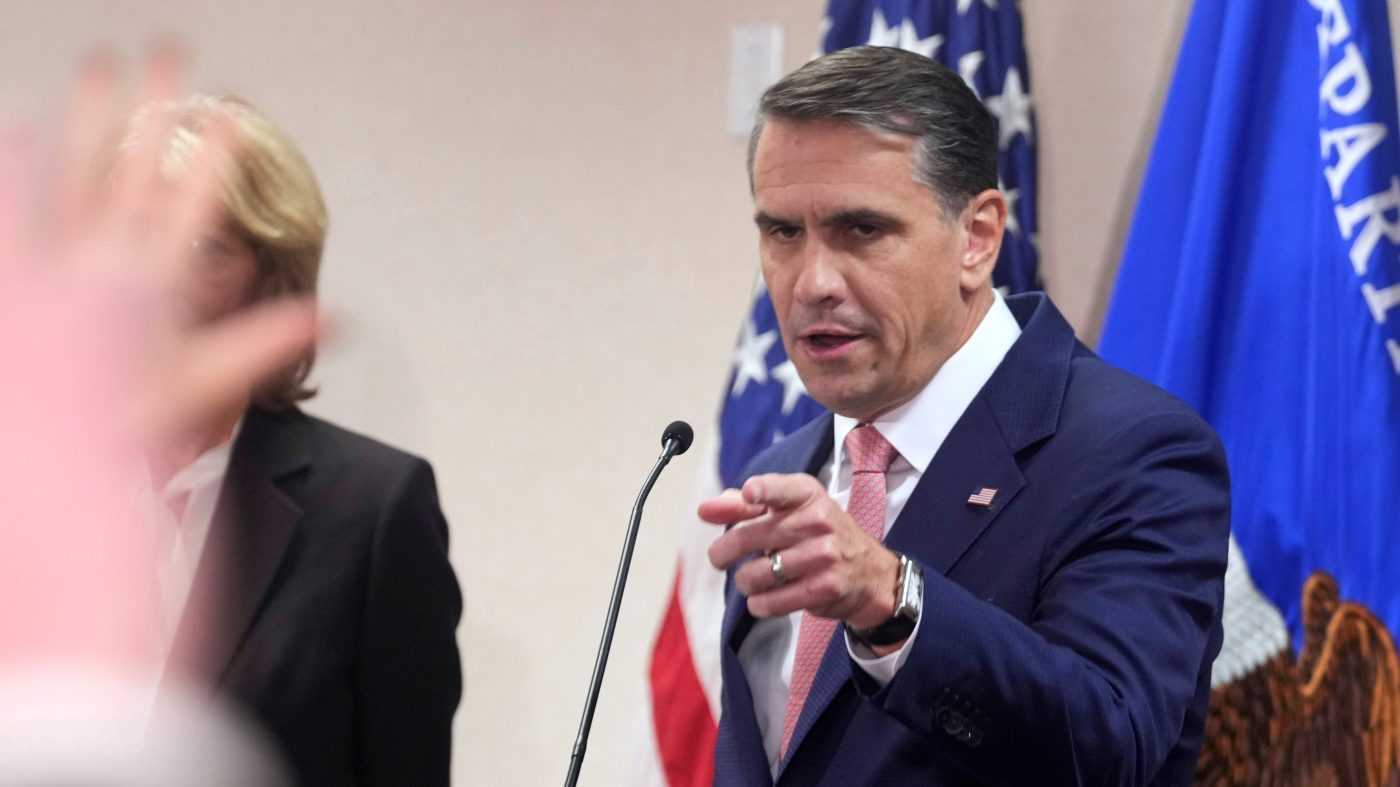
The Southern Poverty Law Center, a civil rights organization that has spent decades combating white supremacy and assisting law enforcement in prosecuting violent hate groups, is now fighting for its survival against what critics describe as a politically motivated prosecution by the Trump administration. Its CEO is set to testify before Congress as the group faces 11 federal charges including wire fraud, bank fraud, and conspiracy to commit money laundering.
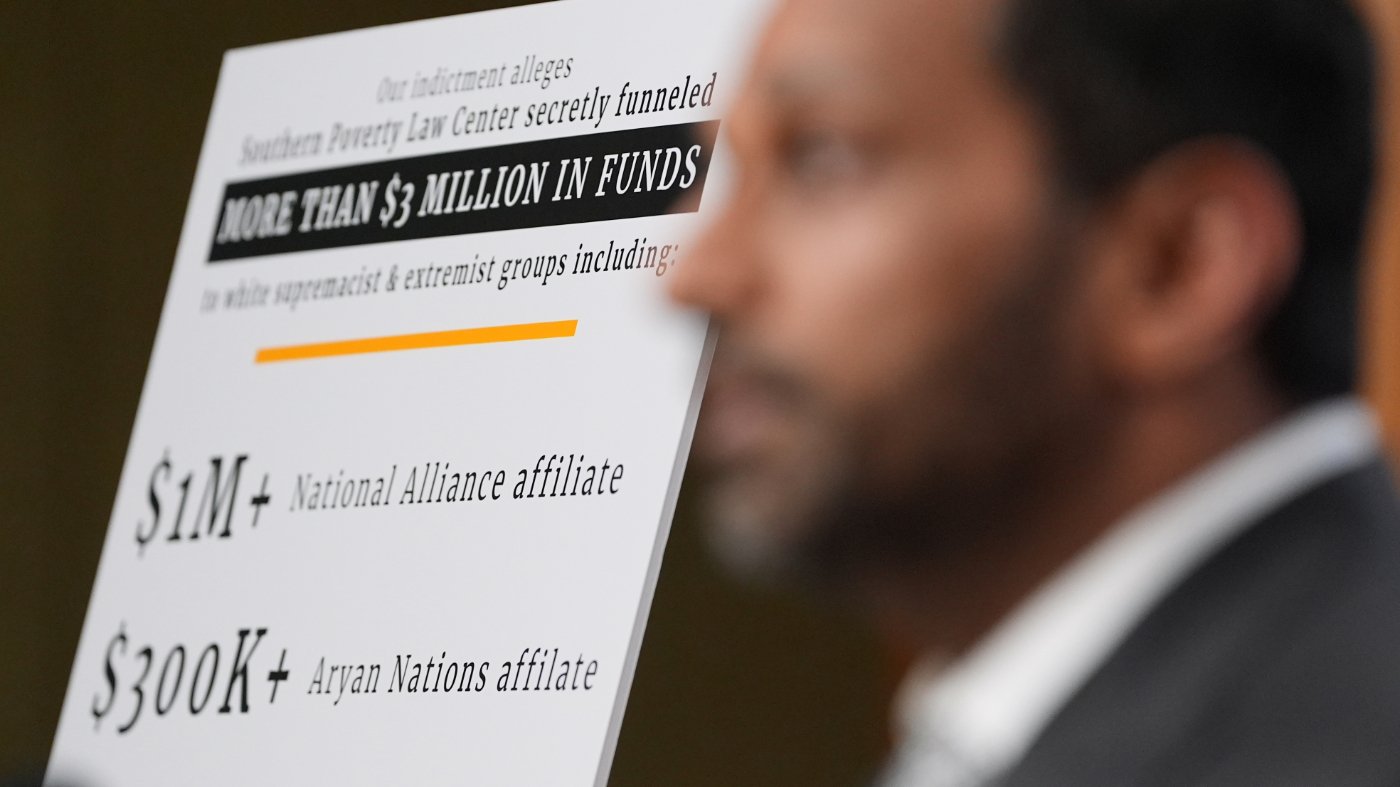
The indictment, unsealed in April, accuses the SPLC of misusing at least $3 million in donor funds between 2014 and 2023. Prosecutors allege the organization failed to inform donors that contributions were used to pay informants who infiltrated the Ku Klux Klan and similar extremist networks. The SPLC counters that it shared intelligence on these dangerous groups with federal and local authorities, a practice it says is lawful and widely accepted in counterterrorism work.
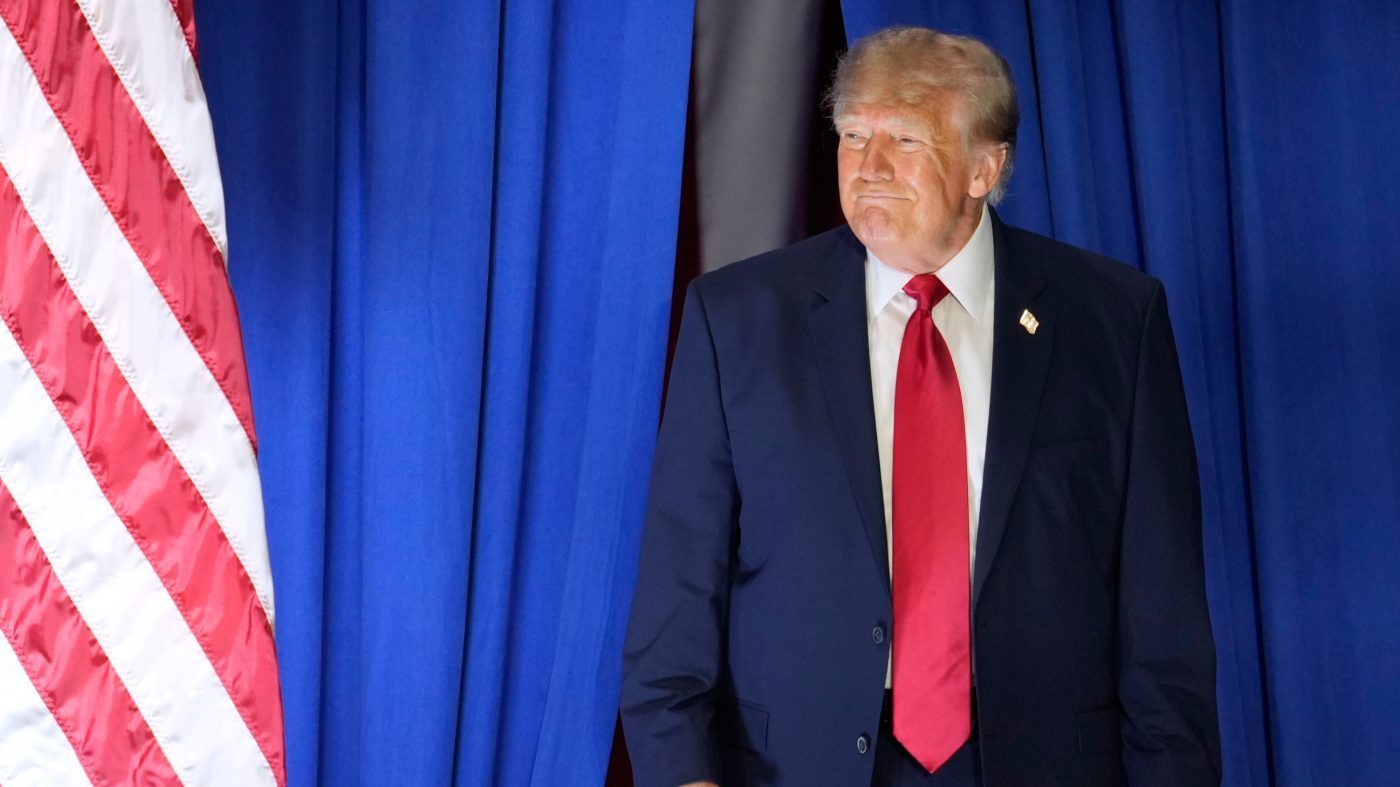
In a motion filed May 26, the center asked a judge to dismiss the charges, calling them part of President Trump's broader campaign to punish political opponents. More than 400 advocacy groups—spanning civil rights, labor, and environmental causes—signed an open letter to lawmakers denouncing the indictment as an attempt to weaponize the criminal justice system against speech and activities the administration dislikes.
This case is one of many in which the Justice Department under Trump has targeted individuals and organizations the president has publicly vilified. The list includes former FBI Director James Comey, New York Attorney General Letitia James, six Democratic lawmakers who warned troops about obeying illegal orders, and former Special Counsel Jack Smith, who prosecuted Trump. ABC News has compiled a lengthy roster of such targets.
Trump has long asserted that his adversaries are criminals deserving of prosecution, while simultaneously portraying his own supporters accused of crimes as victims of political persecution. This dual standard was starkly illustrated when he granted clemency to nearly 1,600 individuals convicted for their roles in the January 6, 2021, Capitol riot—an effort to overturn his 2020 election loss. Trump himself is a convicted felon, found guilty in 2024 on 34 counts of falsifying business records, though he received no penalty after being reelected.
The factual basis for the SPLC charges appears thin. Snopes, the nonpartisan fact-checking site, concluded the allegations remain unproven and are not supported by available evidence. CBS News reported that a federal investigation into similar accusations during Trump's first term found no IRS violations. Critics argue the Justice Department now functions as the president's personal legal arm, investigating and prosecuting his enemies even when no crime has occurred.
The financial consequences for the SPLC have been immediate. Donor-advised funds at Charles Schwab, Fidelity, and Vanguard suspended contributions to the center after the indictment, dealing a blow to its funding. Legal experts note that even if the charges never result in conviction, the cost of defense and reputational damage can be crippling.
As the nation approaches the 250th anniversary of its independence, the prosecution of groups like the SPLC raises fundamental questions about freedom and equal justice. Critics warn that the administration's approach mirrors tactics used by authoritarian regimes that criminalize dissent. The outcome of this case will likely shape the boundaries of political prosecution for years to come.
Donna Brazile, a Democratic strategist and former DNC chair, contributed to this analysis.