President Trump on Thursday signed a proclamation that would designate the Oval Office and Cabinet Room as national monuments, a symbolic move that would place new restrictions on future renovations to the iconic spaces.
Speaking to reporters in the Oval Office, Trump said the measure would require congressional ratification and that “no major modifications” could be made to either room without lawmakers' approval. He framed the designation as a way to protect a symbol of American governance.
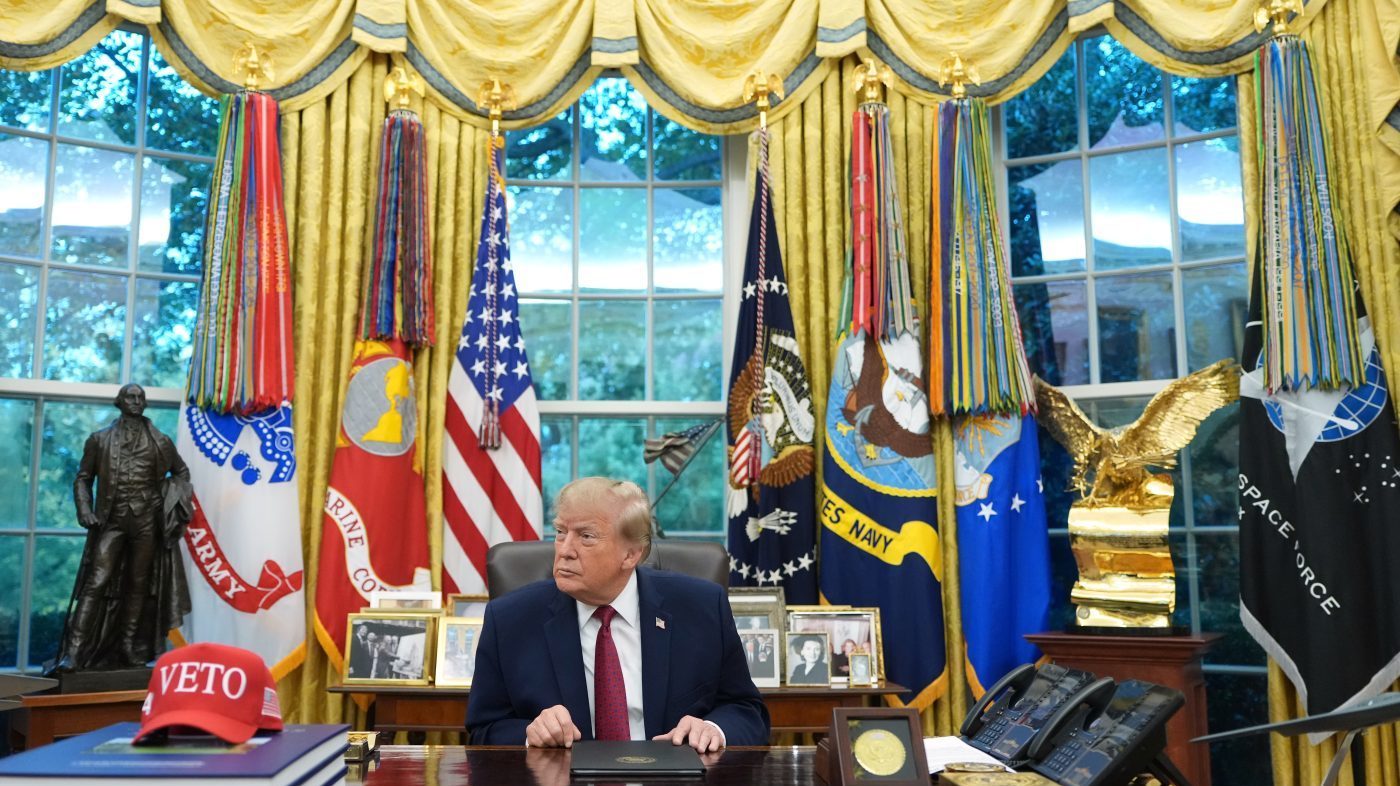
“It’s a symbol of our country, and the greatness of our country,” Trump said, gesturing to the room around him. He added, “If anyone ever decides to come and start knocking down walls, you call me, and I will come back here, and I will make sure it never happens.”
The proclamation comes amid a second term marked by significant changes to the White House campus. Most notably, Trump ordered the demolition of the East Wing to construct a new ballroom, a project undertaken without congressional authorization. That decision sparked legal battles, but the Supreme Court ultimately allowed construction to proceed.
On Wednesday, following his party’s midterm defeat, Trump invited the White House press pool to the ballroom construction site to witness the installation of the final steel beam. The event was part of a broader effort to highlight his administration’s accomplishments, even as voter anger reshaped the political landscape.
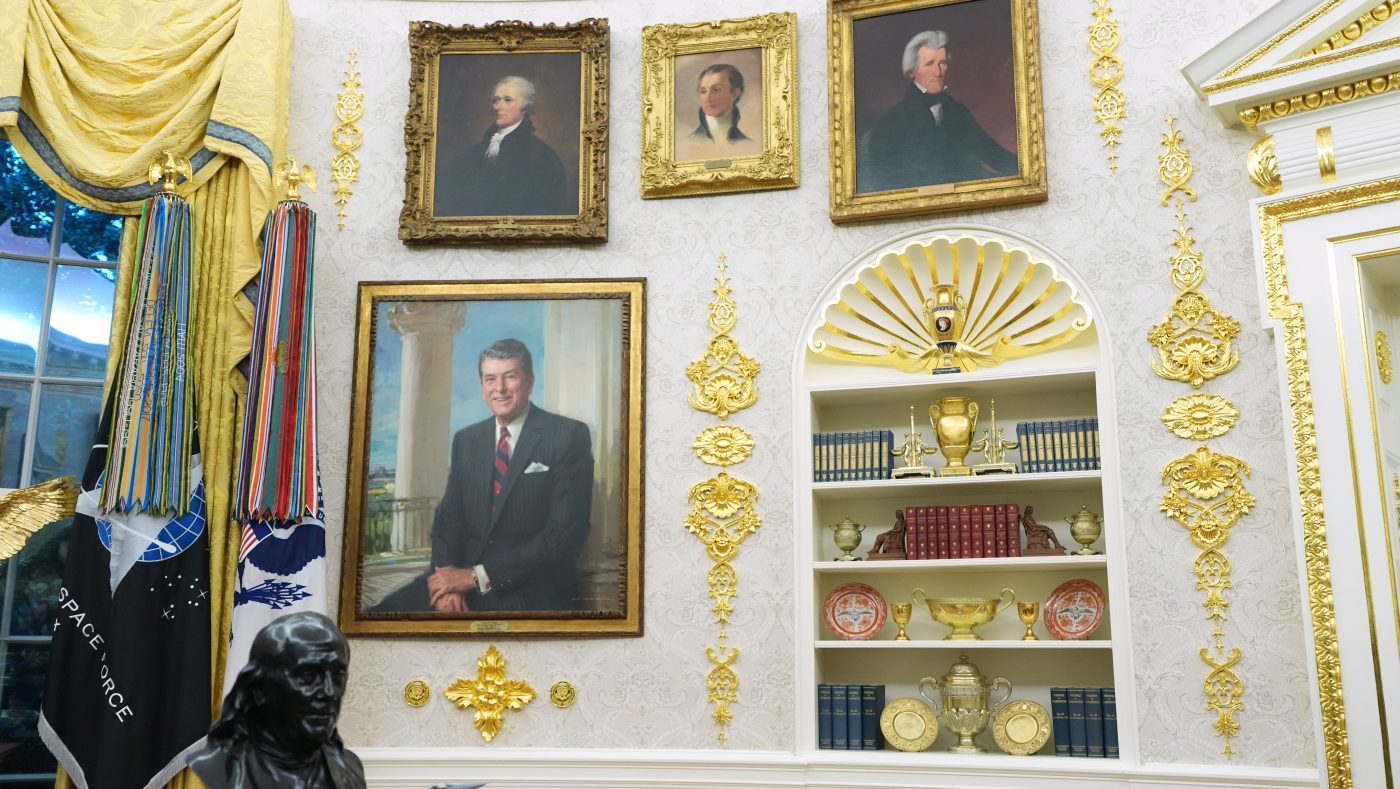
Beyond structural changes, Trump has also made cosmetic updates, including adding gold embellishments throughout the Oval Office. When asked about the décor, he pointed to a white wall and said, “There’s no gold in that,” before adding that he had fixed broken windows and cracks in the White House, including in the Oval Office.
The president’s actions have drawn criticism from preservationists and Democrats, who argue that the designation is an attempt to cement his legacy and limit the ability of future presidents to adapt the spaces. Some legal experts question whether the proclamation would survive a court challenge, given that the White House is not typically subject to the same protections as other national monuments.
Trump’s move also comes as he faces political fallout from the midterm results, with some Republicans urging him to pivot toward bipartisan deals. The designation could be seen as an effort to project authority and permanence during a period of political weakness.
If ratified by Congress, the measure would mark a rare instance of the legislative branch weighing in on the interior design of the executive mansion. It would also set a precedent for future presidents, who might seek similar protections for other rooms or buildings.
For now, the proclamation stands as a bold statement, but its long-term impact remains uncertain. As Trump noted, the final word would rest with Congress, and any future president would need to seek approval before making major changes to the Oval Office or Cabinet Room.