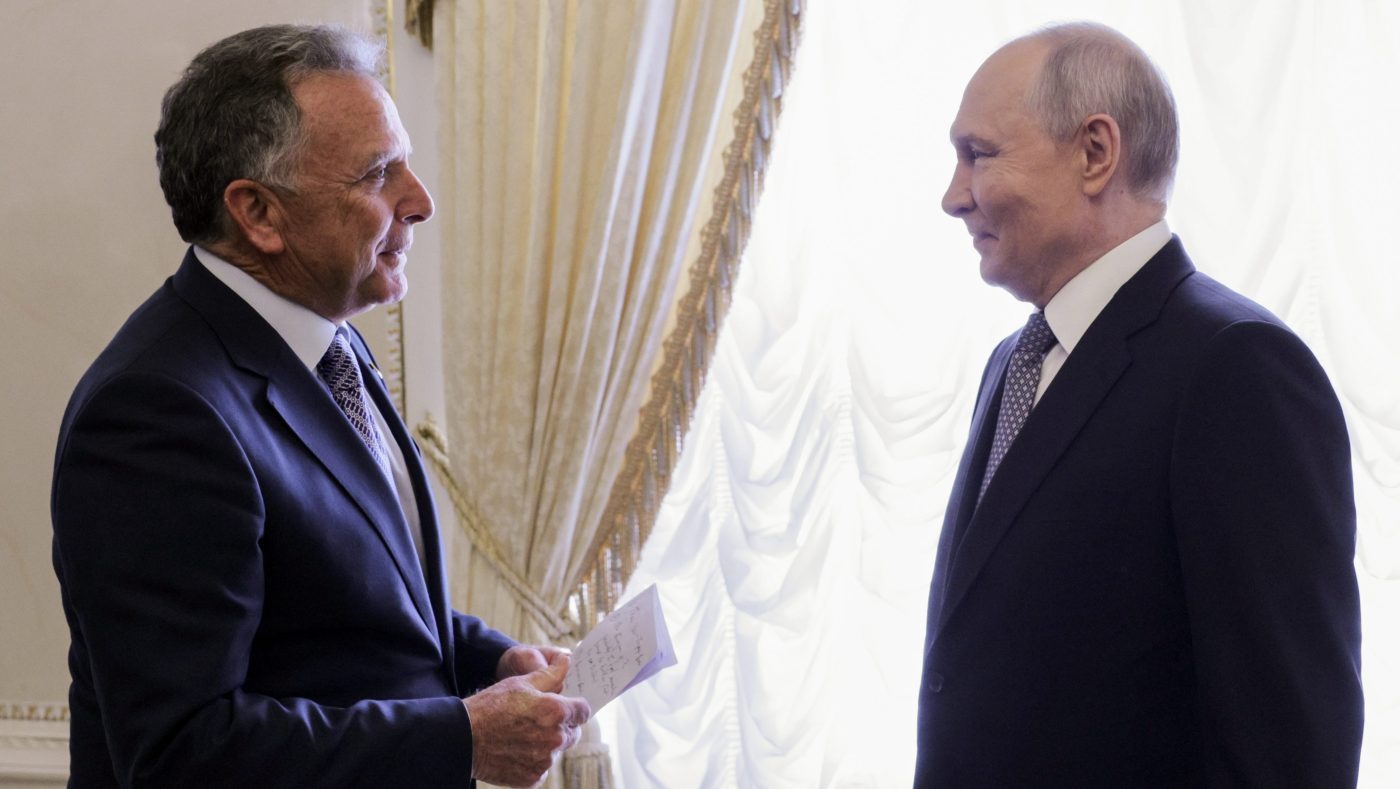
President Trump on Wednesday defended his decision to waive sanctions on Russia, asserting that imposing them would have derailed delicate negotiations with Russian President Vladimir Putin that ultimately secured the release of Stephen Hubbard, a retired American schoolteacher held in Russia since 2022.
In a series of posts on Truth Social, Trump revealed that he had personally requested Hubbard's release during a phone call with Putin last week. He claimed that many of his critics, who had pushed for immediate sanctions, have since apologized after learning of the ongoing diplomatic efforts.
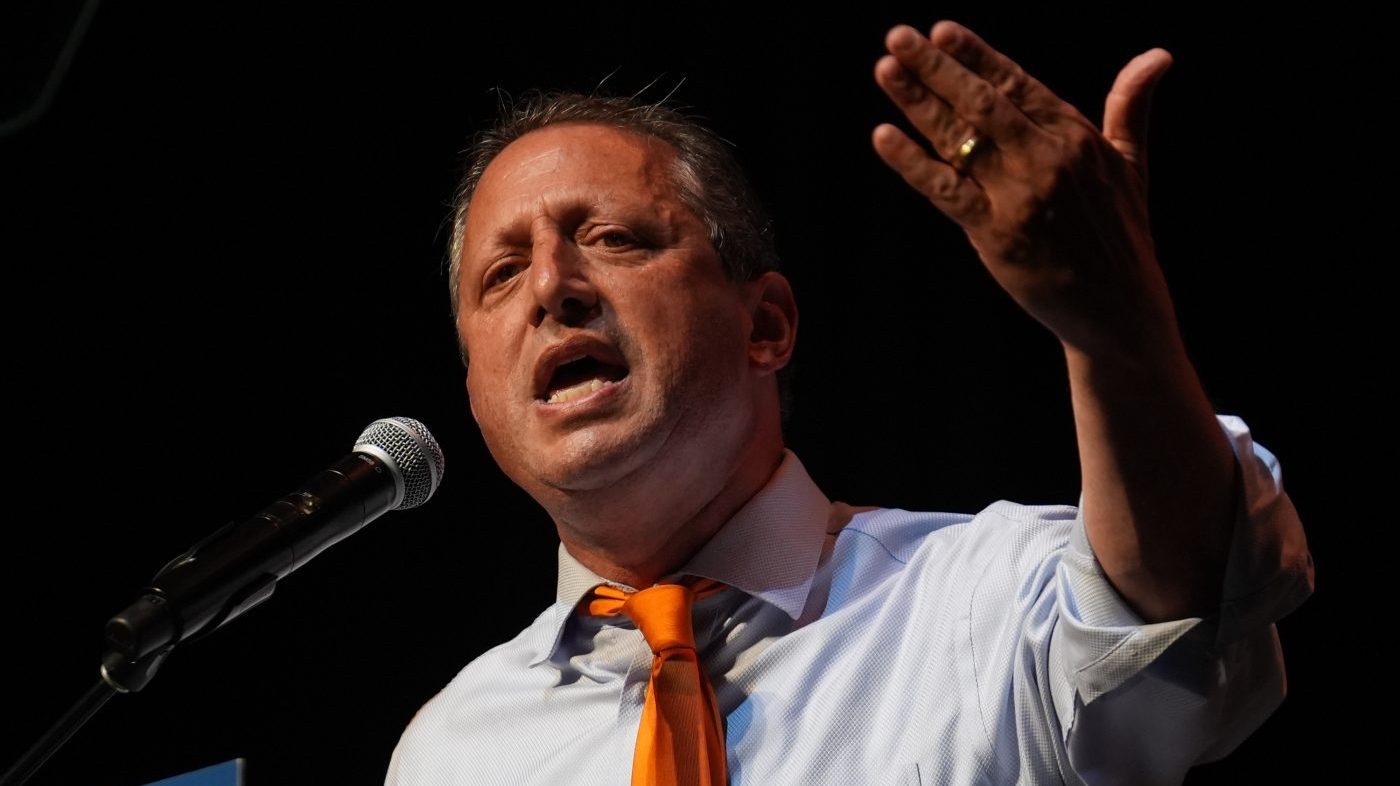
“Numerous people, who requested that sanctions be immediately imposed on Russia, have called to apologize to President Trump in that they didn’t know that he was negotiating the release of Stephen Hubbard, a truly big and important deal for the U.S.,” Trump wrote. He added, “If sanctions would have been placed, certainly those negotiations would have come to a complete and total halt.”
Hubbard, who was serving a seven-year prison sentence after being accused of signing a contract with Ukraine's military following Russia's invasion, was released on Wednesday morning, according to Trump. The president emphasized that the release was not part of a swap, stating, “The United States, out of respect for President Trump, was not required to give anything in return – an unprecedented situation for Russia. There was no ‘swap’ necessary for this release.”
The Biden administration had previously designated Hubbard as “wrongfully detained,” a status that typically signals a more aggressive diplomatic push. His release comes amid growing criticism from within Trump's own party over his administration's energy policies, including the import of Russian diesel and the waiver of a legislative package that would have imposed sanctions on Russian energy exports.
Trump also recently negotiated a deal with Moscow to supply 300,000 tons of diesel to the global market immediately, with an additional 500,000 tons expected in November, despite existing embargoes and sanctions. A bipartisan group of senators, including Republicans Thom Tillis (N.C.), Lisa Murkowski (Alaska), and Susan Collins (Maine), condemned the deal in a letter, arguing that lifting sanctions on Russian diesel “only provides Putin with more fuel to finance his war machine and enables Russia to continue its brutal attacks on Ukrainian civilians.”
The president's decision to waive sanctions has sparked a broader debate within the GOP about the balance between securing the release of detained Americans and maintaining pressure on Moscow. Some lawmakers have voiced support for Trump's approach, while others, as senators push back on his plan for a trilateral summit, remain wary of appearing too conciliatory toward Putin.
Trump's handling of the situation is likely to be a key talking point as the midterms approach, with the president touting the release as a diplomatic victory. However, his administration's energy deals with Russia continue to draw scrutiny, particularly as economic headwinds and global instability dominate the political landscape.
Hubbard's release marks a rare moment of cooperation between Washington and Moscow, but it also raises questions about the long-term strategy toward Russia, especially as some analysts argue for a firmer Western stance rather than concessions. For now, Trump is framing the outcome as a win, while critics warn that the cost of such deals may be too high.