Los Angeles' mayoral race is heading to a November runoff between City Councilmember Nithya Raman and incumbent Mayor Karen Bass, according to projections from Decision Desk HQ. But instead of grappling with why candidate Spencer Pratt fell short, some conservatives are casting blame on the election process itself.
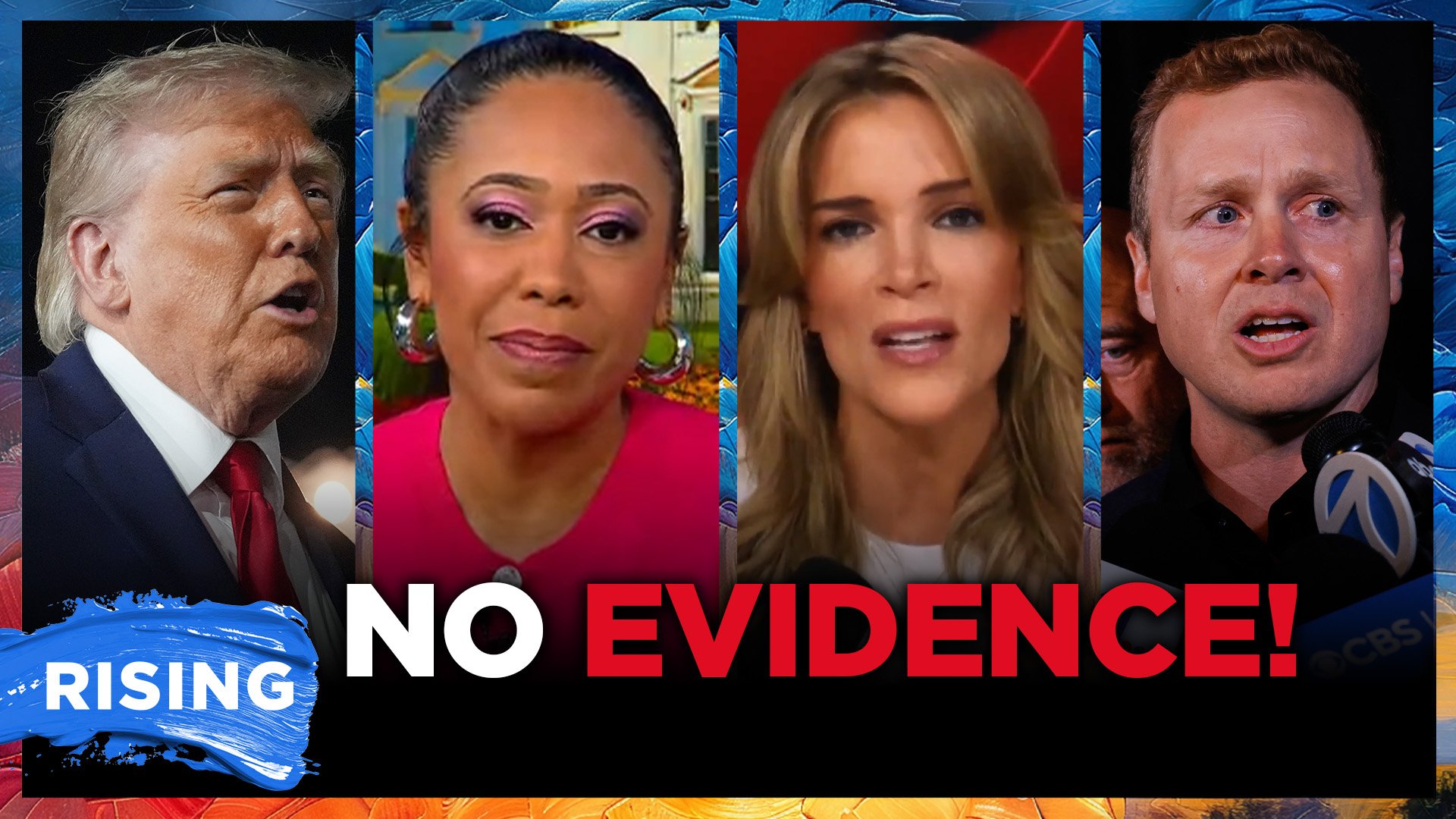
President Trump has already branded the election as “crooked,” while former Fox News host Megyn Kelly called for eliminating mail-in voting entirely in California. “I don't care how convenient you want to make it for people,” Kelly said. “Do we really want to make it that convenient? I mean, these are lazy-ass people if they really can't get off their fat asses and get to election polling stations on Election Day. We don't want you, we don't want your vote. Who gives a s–t about you, you're too lazy, too busy to make it down to a polling station on Election Day? Then get out, good, goodbye, you don't get to vote.”
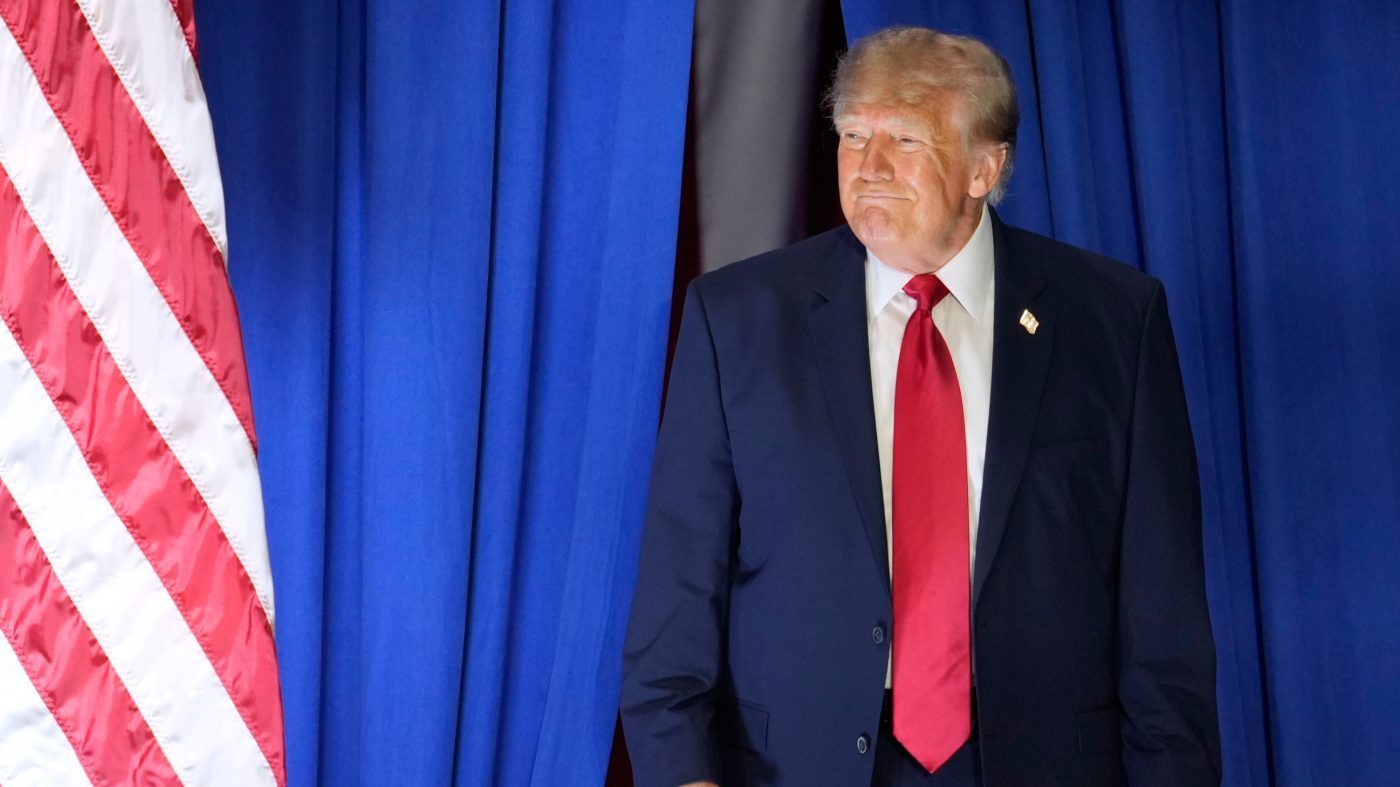
But Kelly's call to disenfranchise mail voters ignores a key fact: Trump himself voted by mail in March. And California's slower vote count is not evidence of a flawed system—it is a direct result of the state's deliberate approach to ballot processing. With nearly 40 million residents, California relies heavily on mail-in ballots, requiring election officials to verify signatures, process envelopes, inspect ballots, and follow a rigorous chain of security checks before votes are tallied.
State leaders argue this approach balances accessibility with integrity. While Colorado and Arizona—states with roughly 6 million and 8 million residents, respectively—often report results faster despite widespread mail voting, California's sheer scale makes direct comparisons misleading. Different counties also operate with varying staffing, budgets, and labor agreements, further slowing the count.
There is another reason for Pratt's apparent defeat that has nothing to do with mail ballots. Pratt is a registered Republican who ran as an independent in overwhelmingly Democratic Los Angeles, despite Trump's past description of him as “a big MAGA person.” That is a steep climb in a city and state where Democrats dominate. In 2022, Rick Caruso spent more than $100 million on the mayoral race and still lost. The last Republican mayor of Los Angeles left office in 2001, and California has not elected a Republican to statewide office since 2006.
Pratt, however, has not conceded. On X, he posted: “Folks, we're dealing with a fraction of a percentage point difference, there's still hundreds of thousands of votes outstanding, and LA officials have given us the next 3 weeks to count! Let's git-r-dun!” Every candidate has the right to wait for all legally cast ballots to be counted before declaring victory or defeat.
But the rush to question the legitimacy of an election when the outcome is disappointing is a familiar pattern. Losing an election and proving fraud are two entirely different things. In a democracy, candidates are entitled to compete, question procedures, and await final results. They are not entitled to treat disappointment as evidence of fraud.
As for the broader trend, it echoes recent controversies where unsubstantiated claims of election fraud have been used to undermine trust in democratic processes. For instance, Trump has previously blamed Iran for downing a US Apache helicopter and vowed retaliation, while his administration has also targeted organizations like the SPLC in what critics call a widening retribution campaign. The lesson from Los Angeles is clear: baseless allegations do not change the math.