Six months into the conflict with Iran and with the midterm elections less than three months away, the Trump administration is shifting to a new strategy: an intensified economic campaign. Treasury Secretary Scott Bessent on Monday outlined plans for an “economic onslaught” aimed at severing Iran’s global financial ties, a move that appears designed to produce results without the heavy risks of military escalation or the political fallout of a negotiated settlement.
The administration is clearly seeking a middle path. A full-scale war could spike oil prices, provoke Iranian retaliation against U.S. allies in the Gulf, and strain American munitions stockpiles—without guaranteeing victory without ground troops, a prospect the public overwhelmingly rejects. On the other hand, pursuing peace now would likely require significant concessions to Tehran, which believes it still holds leverage. The June memorandum of understanding, which was criticized by GOP hawks as too lenient and by liberals as pointless, offered a preview of how such a deal would be received.

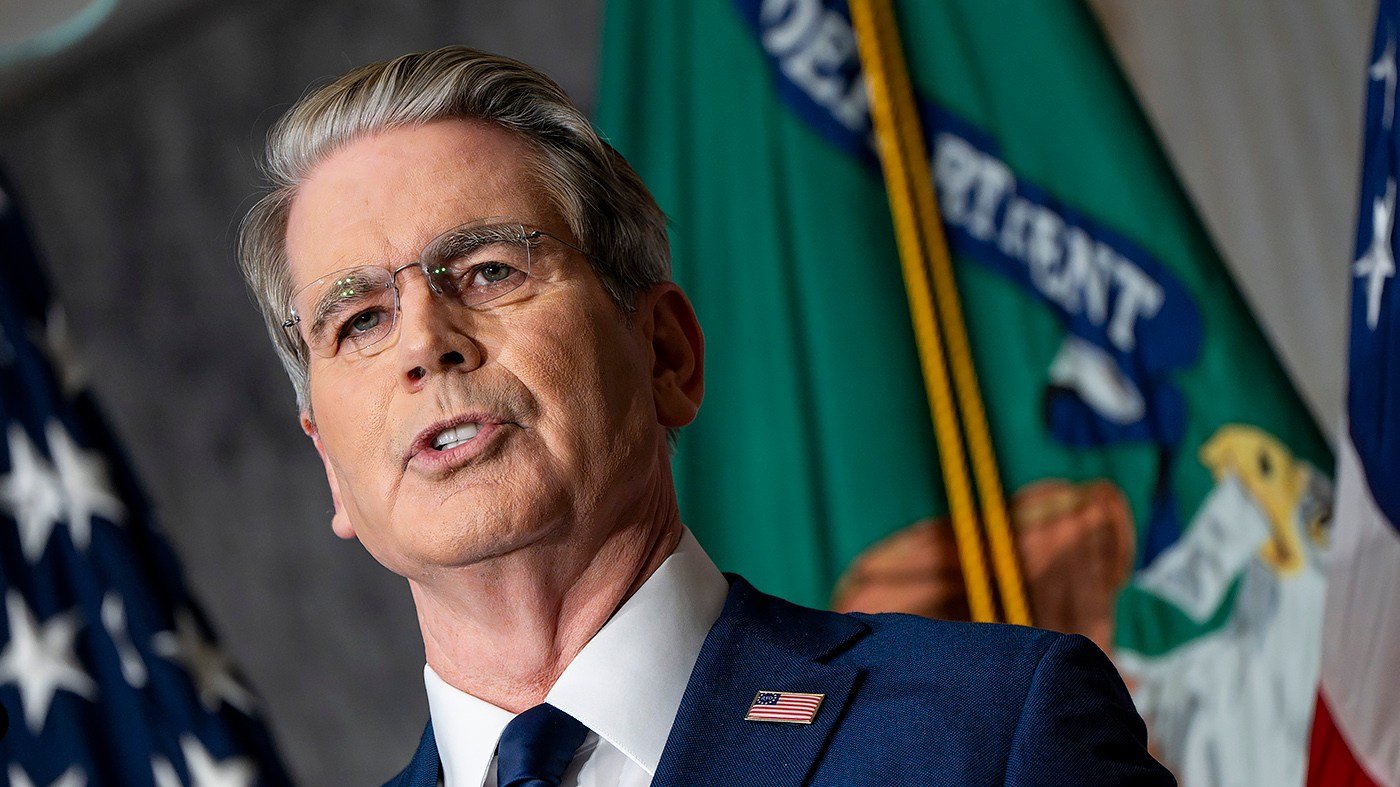
So the task fell to Bessent to flesh out President Trump’s earlier threats. In a morning social media post, Trump declared in his characteristic all-caps style that “IRAN IS COMPLETELY COLLAPSING!!!” Bessent, though more measured in tone, was equally aggressive, stating the goal is “to sever every economic lifeline that sustains this tyrannical regime until Tehran stands alone.” He later described the effort as the “economic asphyxiation” of Iran.
Bessent outlined five specific targets: digital assets, technology, gold, aviation, and shipping. He also insisted that branches of Iran’s Bank Melli “must be shuttered and dark.” He claimed that a Treasury office was “sanctioning over 60 entities, individuals and vessels around the world that enable the Iranian regime to procure illicit nuclear and missile technology, conduct cyber operations and generate oil revenue.”
Yet the strategy has notable gaps. A key question is how aggressively the administration will push China, the largest buyer of Iranian oil. When asked, Bessent said “no one is above the reach of U.S. sanctions” but also emphasized “the best way to engage with countries is through quiet diplomacy.” That phrase drew skepticism, given Trump’s public blasts at Canada over trade, which some see as a sign that the administration’s commitment to quiet diplomacy is selective.
The broader context is the war’s unpopularity. Trump’s approval on Iran in the RealClearPolitics polling average is deeply negative, with about 61% disapproving and only 35% approving. The conflict has also fueled inflation, with national average gas prices around $4.10 per gallon, up from under $3 before the war. These economic pressures have rattled bond markets, and Bessent’s recent attempts to calm investors have had limited success.
For Republicans facing the midterms, this is a hostile environment. The administration is recalibrating its rhetoric. Defense Secretary Pete Hegseth told reporters that while he is not “foreclosing” direct strikes, “economic pressure, we know, hurts them the most right now.” Bessent also described U.S. forces as having “laid the groundwork” for achieving objectives—a more cautious assessment than earlier war talk.
For now, the battlefield is Iran’s economy. The big question is whether the U.S. can achieve a meaningful victory quickly enough to matter politically. As the administration pushes its economic pressure campaign, it faces the challenge of balancing tough talk with the need to avoid overreach. The coming weeks will test whether this approach can shift the dynamics before voters head to the polls.