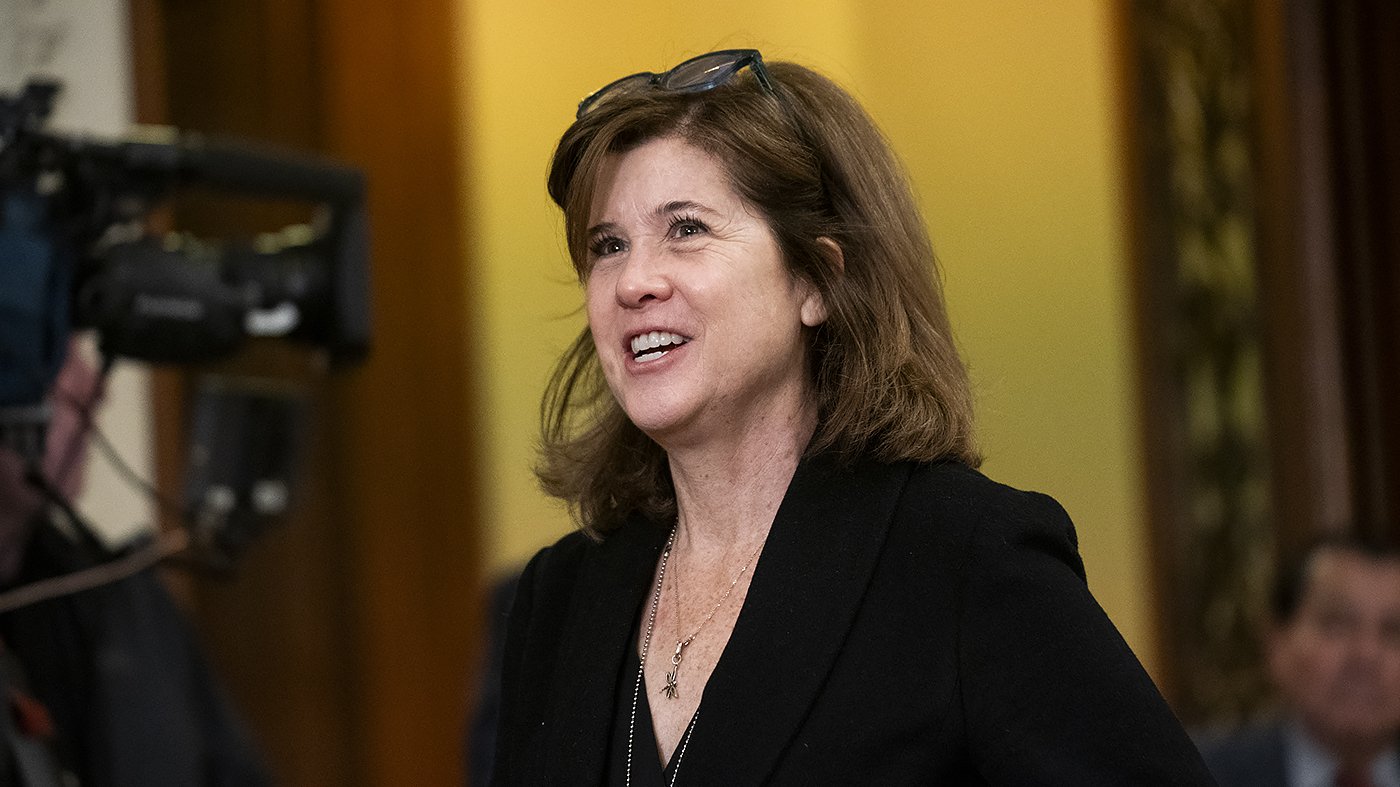
Senate Republicans are increasingly divided over the future of Parliamentarian Elizabeth MacDonough, with a faction of the conference pushing to remove her after recent rulings that blocked a $1 billion allocation for the White House ballroom and complicated passage of the SAVE America Act, a voting reform bill. The dispute has escalated into a broader clash between President Donald Trump’s most loyal allies and Senate leadership, raising questions about the chamber’s procedural norms.
Trump, who has publicly accused MacDonough of bias, took to Truth Social last week to criticize her, noting she was appointed in 2013 by then-Senate Majority Leader Harry Reid, whom he called a “lunatic.” The president’s ire has fueled calls from some GOP aides and senators to replace her, with one Senate Republican aide saying, “The fire-the-parliamentarian group is growing. There are quite a few members now who are saying, ‘We should have fired her day one.’” A senior GOP aide confirmed that sentiment is particularly strong among the “MAGA crowd,” referring to more recently elected senators who have pushed harder for Trump’s divisive priorities.
However, not all Republicans agree. Another senior Senate GOP aide defended MacDonough, calling her “fair even if she doesn’t agree with everything you argue” and dismissing the push to oust her as “wishcasting” among Trump’s staunchest allies. This aide noted her long track record of impartial rulings on procedural disputes under the budget reconciliation process, which allows certain legislation to pass with a simple majority.
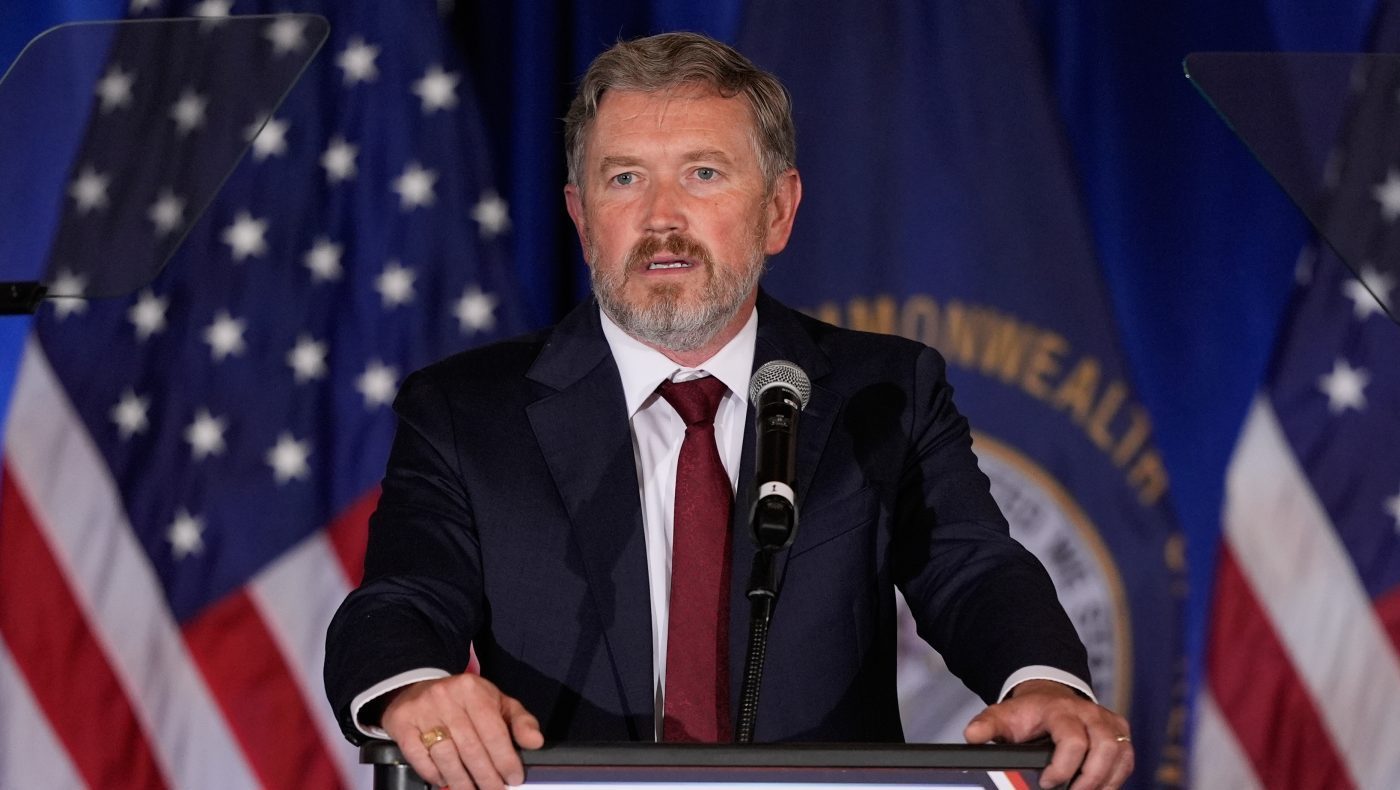
The tension escalated further when Trump endorsed Texas Attorney General Ken Paxton in his primary challenge against Senator John Cornyn, a longtime GOP leader who served as whip during Trump’s first term. Paxton, who previously faced felony securities fraud charges that were dropped as part of a pretrial diversion agreement, is seen by Senate GOP leaders as a potentially weaker general election candidate. Cornyn had long defended the filibuster but flipped in March, writing in an op-ed that he would support “whatever changes to Senate rules that may prove necessary” to advance the SAVE Act and homeland security funding. The endorsement signals Trump’s willingness to back primary challengers against senators who don’t fully support his agenda, a dynamic that could reshape the GOP’s internal dynamics.
Senate Majority Leader John Thune has so far resisted calls to fire MacDonough. “The question around the parliamentarian is one that happens every time there’s a reconciliation bill considered here — whether it’s a Democrat majority or a Republican majority. And there are always people unhappy with some of the decisions that come down. That’s the nature of the beast,” Thune said last week, adding that he hasn’t had any discussions about removing her. Some Republican senators also pushed back during a heated meeting with acting Attorney General Todd Blanche, where 20 to 25 members vented about other issues, according to a GOP aide who questioned whether there’s real appetite for firing MacDonough.
Supporters of keeping MacDonough point to key rulings she made in Republicans’ favor, including a 2017 decision allowing the inclusion of a provision in Trump’s Tax Cuts and Jobs Act to zero out the penalty for the Affordable Care Act’s individual mandate, effectively repealing a major part of ObamaCare. She also permitted language to open 1.5 million acres in the Arctic National Wildlife Refuge to drilling, a long-sought GOP goal. More recently, MacDonough allowed language in last year’s One Big Beautiful Bill Act to establish the first national scholarship program, though her rulings on the ballroom funding and SAVE Act have drawn renewed criticism.
As the debate continues, Senate Republicans face a choice: heed Trump’s calls to fire MacDonough or risk the president backing more MAGA-aligned challengers in future primaries. The parliamentarian’s role in interpreting the Byrd Rule—which governs what can be included in reconciliation bills—remains central to the conflict, with broader implications for how the Senate operates under Republican control.