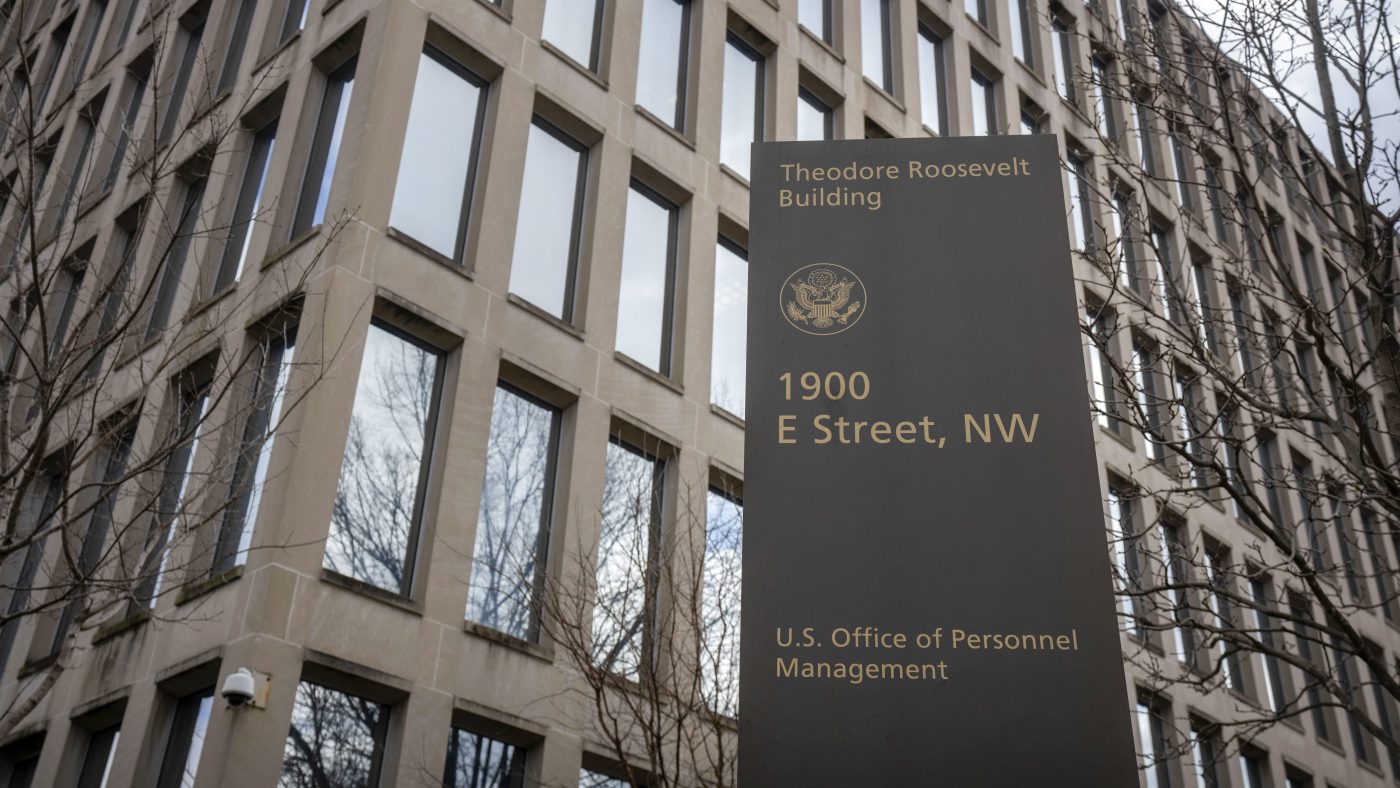
The Trump administration is moving to require all federal employees—both new and existing—to sign non-disclosure agreements (NDAs), a proposal that the Office of Personnel Management (OPM) filed with the Federal Register on Tuesday. The draft NDA, set for formal publication Wednesday, is open for public comment for 30 days and aims to codify existing legal obligations around safeguarding sensitive government information.
OPM, which functions as the executive branch’s human resources arm, described the form as a tool to document workers’ acknowledgment of current laws prohibiting the disclosure of non-public, confidential, or proprietary data obtained through official duties. The agency stressed that the agreement explicitly preserves the right to make disclosures authorized by law, such as whistleblower reports.
Under the proposal, “confidential government information” is broadly defined to include internal agency operations, personnel matters, procurement processes, and any sensitive pre-decisional or deliberative material not publicly available. Critics argue the language could chill legitimate disclosures and whistleblowing, though OPM insists it aligns with existing statutes like the Privacy Act of 1974 and the Standards of Ethical Conduct for Employees of the Executive Branch, issued in 1993.
The White House declined to comment directly, referring questions to OPM.
OPM’s filing explicitly cites recent leaks as justification for the new requirement. Among the examples: disclosures by employees at the FBI and Department of Homeland Security about immigration enforcement operations, and leaks to The New York Times and The Washington Post concerning the U.S. raid to capture former Venezuelan President Nicolás Maduro in January. The agency stated those leaks “put the lives of members of the armed forces at risk.” Both outlets held their reports until after the operation concluded to avoid endangering troops.
The push for NDAs comes amid heightened scrutiny of information security within the federal workforce. While existing rules already bar employees from using nonpublic information for personal gain or disclosing private data without consent, the administration argues that a signed agreement creates a clearer paper trail for enforcement. This move resonates with broader administration efforts to tighten control over internal communications, as seen in recent controversies over declining approval ratings amid the Iran conflict.
Critics, including transparency advocates and some Democratic lawmakers, warn that the NDAs could be used to silence whistleblowers or hide administrative missteps. They point to the administration’s mixed political signals and internal crises as reasons for concern. However, supporters argue the measure is a necessary step to protect national security and prevent unauthorized disclosures that could endanger operations or personnel.
The comment period will close 30 days after the Federal Register publication on Wednesday, after which OPM may finalize the rule. The proposal is likely to become a flashpoint in ongoing debates over government transparency and executive power.