The Trump administration on Monday petitioned the Supreme Court to overturn a lower court's injunction against its policy that would curtail gender-affirming care for transgender inmates in federal prisons. The move marks the latest in a string of emergency appeals to the high court as the administration seeks to restore elements of its agenda that have been stalled by judicial rulings.
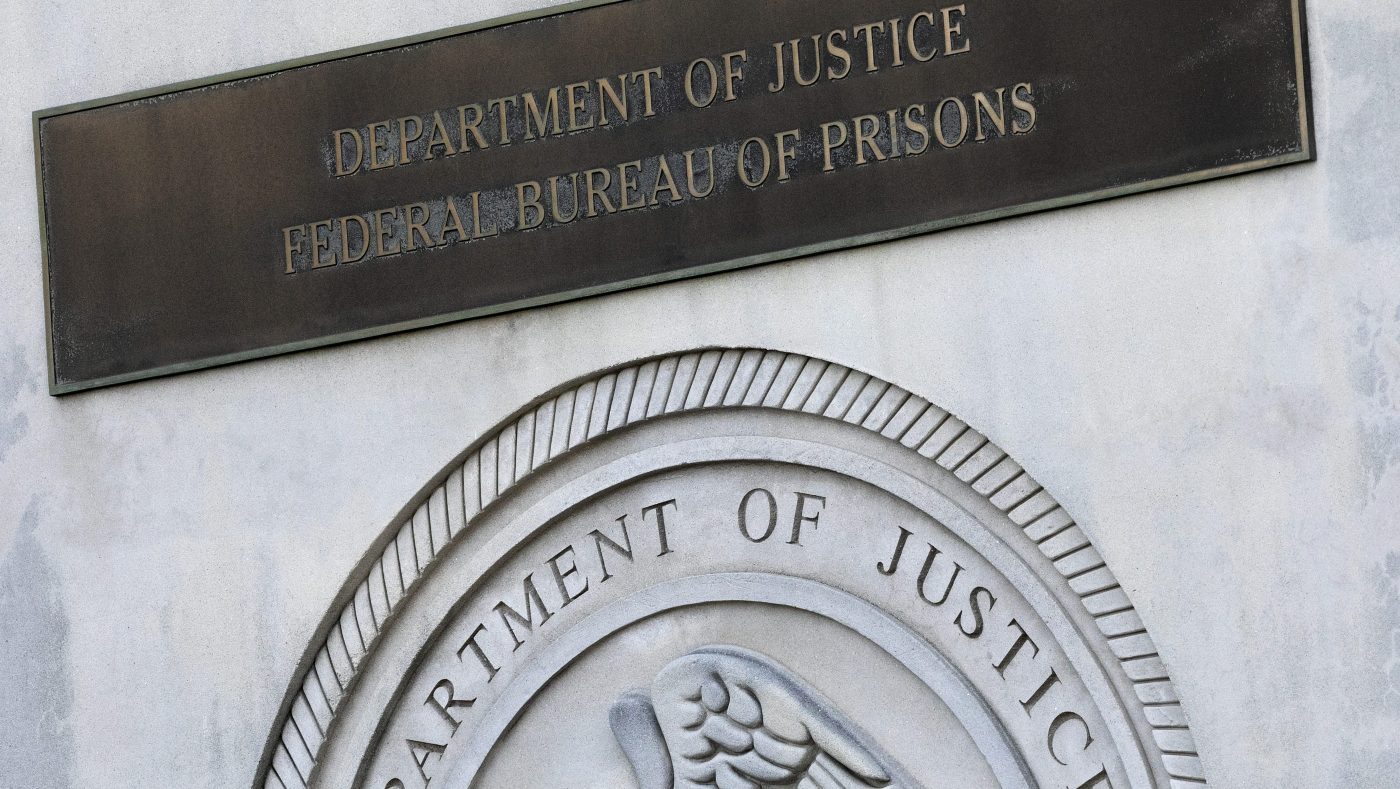
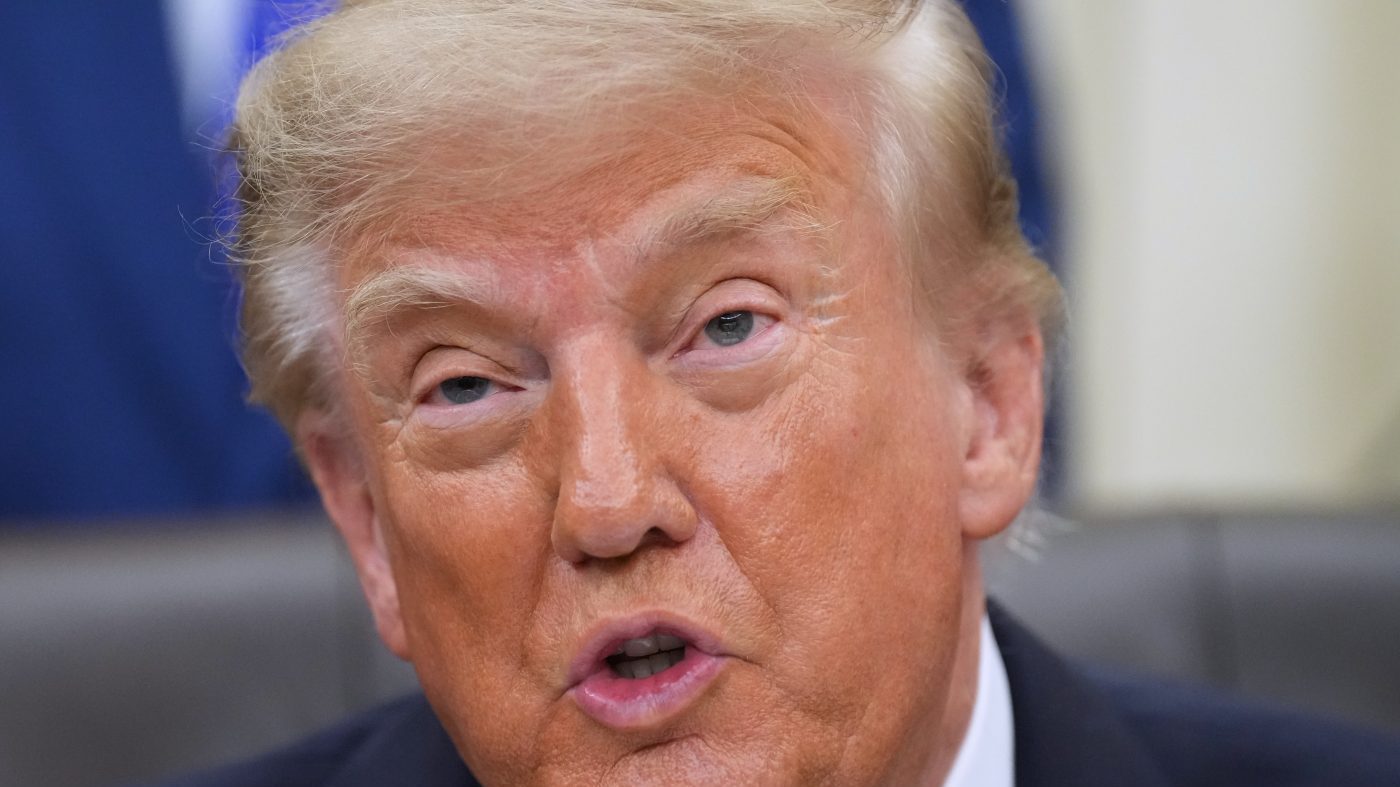
The policy, issued by the Bureau of Prisons (BOP), would place inmates currently receiving hormone therapy on a tapering schedule and would halt the provision of social accommodations such as hair-removal devices. It stems from an executive order President Trump signed on his first day in office, prohibiting the use of federal funds for medical procedures intended to alter an inmate's appearance to match their gender identity.
The U.S. Court of Appeals for the D.C. Circuit, in a 2-1 decision, declined to lift the injunction, which had been issued by U.S. District Judge Royce Lamberth. The appeals court agreed that the policy likely violates federal law because the BOP did not adequately consider its own historical experience with providing gender-affirming care.
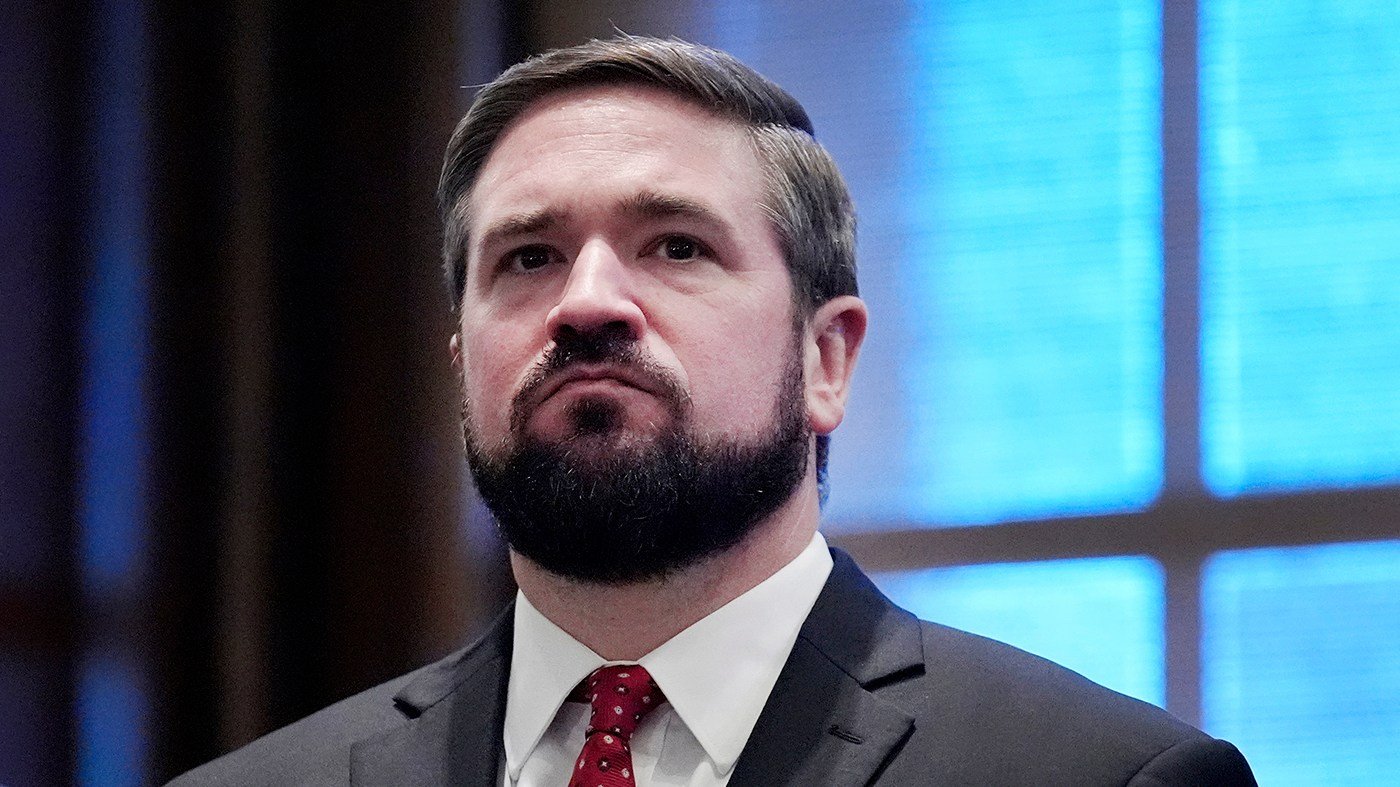
Solicitor General D. John Sauer, in the administration's filing, argued that the lower courts' rulings undermine the BOP's statutory authority to manage prison security. "In nullifying BOP's exercise of its statutorily conferred authority to adopt a policy that prison administrators have determined is necessary to maintain institutional security, the court's order causes irreparable harm to the government and to the public," Sauer wrote.
The case now goes to Chief Justice John Roberts, who handles emergency matters from the D.C. Circuit. He may decide the request alone or refer it to the full court. This is the 41st time the administration has sought Supreme Court intervention on its emergency docket, according to The Hill's analysis.
The Supreme Court has often sided with the administration in such cases, though not always. Recently, the Court declined to support Trump's plan for mail-in ballots in the November elections, prompting the president to express frustration with some of his appointees.
The justices have been increasingly drawn into cases involving transgender rights. In recent terms, the conservative majority has allowed states to bar transgender girls from school sports teams and to restrict gender-affirming care for minors. Sauer pointed to those decisions in the administration's application, emphasizing that "this Court has emphasized the importance of allowing politically accountable officials to make decisions about the permissible forms of treatment for gender dysphoria."
The underlying lawsuit was filed last year by transgender inmates challenging the BOP's decision to end their access to gender-affirming care. A class action was certified, and the dispute now centers on a February 2026 BOP policy statement that formalized the restrictions.
The administration's broader push against what it calls "gender ideology" has sparked numerous legal challenges. Last year, the Supreme Court allowed the administration to enforce its ban on transgender individuals serving openly in the military.
In its appeal, the administration criticized the D.C. Circuit's ruling as a "perfunctory determination," arguing that the policy is lawful and that the case should be dismissed under the procedural limits of the Prison Litigation Reform Act. "Tellingly, while the court of appeals asserted otherwise, it provided no explanation to support that assertion," Sauer wrote.
The Supreme Court's decision could have significant implications for the administration's broader agenda on transgender issues and for the treatment of transgender inmates nationwide.