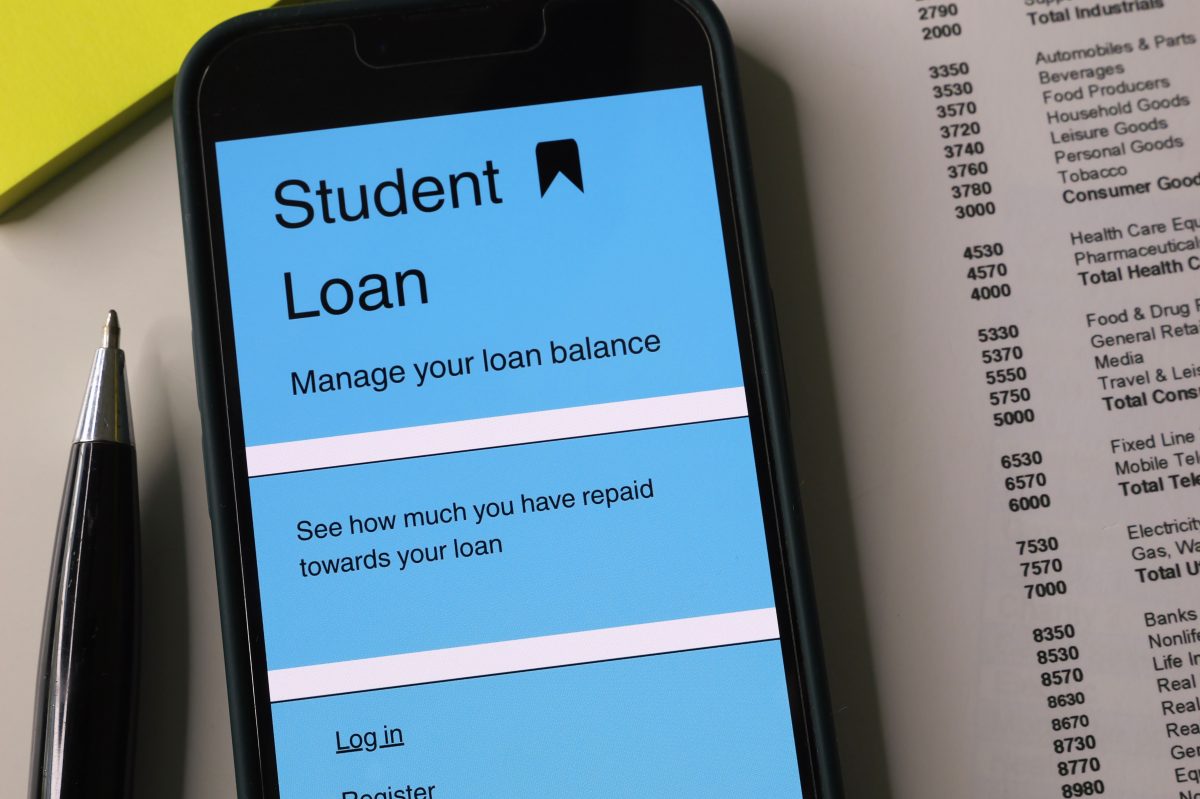
The Education Department on Thursday unveiled a 1% cut in interest rates for certain federal student loans, framing it as a targeted effort to make repayment more manageable for borrowers. The move comes as the Trump administration faces mounting pressure over a $1.7 trillion student loan portfolio and rising default rates.
Education Undersecretary Nicholas Kent touted the reduction as a way to “make student loan repayment easier than ever” while also improving “the overall health of the federal student loan portfolio.” But the policy is far from universal—only borrowers with Direct Loans issued after July 1, 2012, who are already enrolled in automatic payments or sign up for them, will see the benefit.
Currently, just 40% of borrowers use auto pay, a figure the department hopes to boost with this incentive. For the nearly 9 million borrowers in default—meaning they’ve missed nine months of payments—the path to eligibility requires first getting back into good standing, often by consolidating loans and enrolling in a new repayment plan. This could prove a steep hurdle for many.
The rate cut takes effect July 1 and will last through June 30, 2028. For borrowers already using auto pay, the savings are smaller: they already receive a 0.25% discount, so the new reduction adds just 0.75%. Others will see the full 1% drop once they opt in.
The policy is part of a broader administration push to phase out Biden-era repayment options and replace them with income-driven plans. Officials argue that auto pay enrollment can help borrowers maintain eligibility for those plans by reducing missed payments. However, critics note that the reduction is temporary and may do little to address the underlying affordability crisis.
As the Trump administration continues to grapple with delinquency and default rates, this move mirrors other recent efforts to tighten repayment rules. For context, similar debates have played out in other policy areas—for instance, the SAVE Act-FISA link that split House Republicans highlighted the partisan divides over government oversight and spending.
Borrowers seeking the rate cut must take a series of steps: sign up for auto pay, and in some cases, consolidate their loans. The department hopes this will not only reduce defaults but also simplify the repayment process. Yet with millions still struggling, the impact may be limited. For a deeper look at how the Education Department is reshaping loan policies, see our coverage of the rate reduction details.
For now, the reduction stands as a modest olive branch to borrowers amid a broader political fight over student debt. Whether it will meaningfully reduce the default rate—or simply add another layer of bureaucracy—remains to be seen.