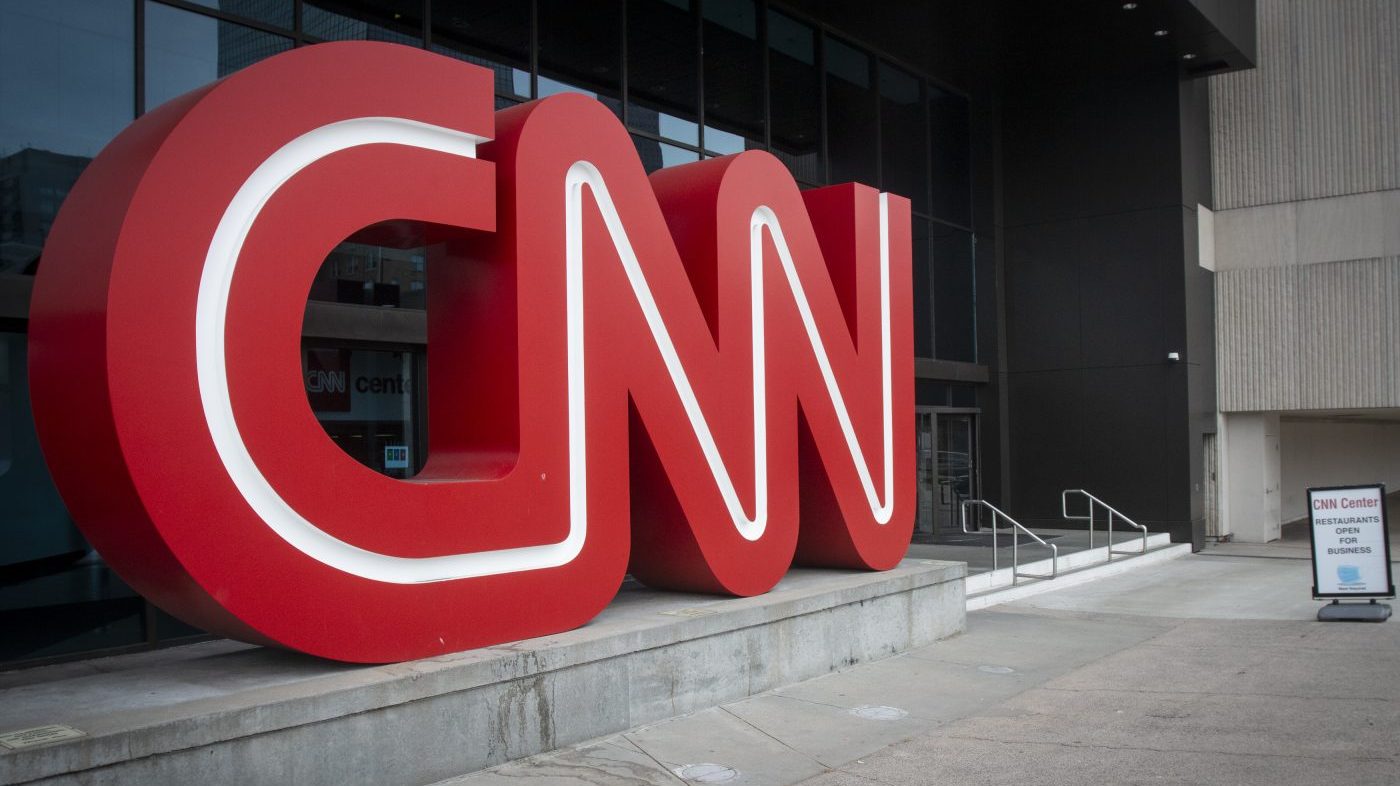
CNN is standing by its reporting after former President Donald Trump publicly accused the network of fabricating a statement from Iranian officials regarding the fragile ceasefire agreement reached between Washington and Tehran. The dispute centers on CNN's coverage of the deal, which was announced just hours before Trump was poised to authorize strikes on Iranian infrastructure.
In its Tuesday reporting, CNN cited Iranian officials who characterized the agreement as a "great victory" and suggested President Trump consented to the terms primarily to secure the reopening of the Strait of Hormuz for oil shipments. This framing, which contrasted with the administration's portrayal of the deal, quickly drew fire from Trump and his allies.
Trump's Fraud Allegation and CNN's Defense
On his Truth Social platform, Trump launched a vehement attack, calling the published statement "a FRAUD" and alleging it originated from a "Fake News site (from Nigeria)." He claimed authorities were investigating whether a crime was committed in its issuance and demanded CNN retract the story with "full apologies." "CNN is being ordered to immediately withdraw this Statement with full apologies for their, as usual, terrible 'reporting,'" Trump wrote.
CNN has firmly rejected these allegations. A network spokesperson stated, "The statement in question was obtained by CNN from Iranian officials and reported on multiple Iranian state media outlets. We received the statement from specific official Iranian spokespeople who are known to us." The network's defense underscores the high-stakes nature of reporting on sensitive national security diplomacy, where conflicting narratives from adversarial governments are common.
Broader Political and Regulatory Backlash
The incident has reignited the long-running feud between Trump and the network, with tensions exacerbated by CNN's critical coverage of the administration's handling of the Iran conflict. The criticism extended beyond Trump, with FCC Chair Brendan Carr condemning the report as "outrageous conduct." In a social media post, Carr argued, "Fake news is bad enough for the country, but pushing out a hoax headline in such a sensitive national security moment as this requires accountability." He called for "change at CNN," linking the network's corporate ownership—Warner Brothers Discovery, which was recently sold to Paramount, a company owned by Trump allies Larry and David Ellison—to the controversy.
This clash occurs against the backdrop of a highly volatile geopolitical situation. The ceasefire itself, a temporary pause in hostilities, has led to significant market movements and a flurry of associated policy announcements. For instance, global oil prices fell sharply following the announcement of the two-week pause, reflecting immediate economic repercussions. Furthermore, the administration has followed the deal with aggressive posturing, including threatening 50% tariffs on countries that continue to arm Iran.
The fundamental disagreement over the Iranian statement's authenticity highlights the profound challenges of verifying information in a tense, fast-moving diplomatic environment. It also reflects the deeply polarized media landscape, where major news organizations face intense scrutiny and accusations of bias from political figures. The episode serves as a case study in how official communications in international crises can become immediate flashpoints in domestic political warfare.
As the White House and Tehran present divergent accounts of the ceasefire's terms and implications, the role of the media in parsing these claims remains contentious. The administration has touted the deal as a success, with Trump claiming 'total victory' and crediting Chinese pressure on Iran. Meanwhile, the Pentagon is expected to detail its formal stance following the extension of the strike pause, which the President has attributed to ongoing peace talks.
The outcome of any investigation Trump alluded to remains unclear, but the public dispute ensures that the narrative surrounding the Iran ceasefire will be as fiercely contested in American media and politics as the diplomacy itself. The incident underscores how national security reporting is increasingly entangled in broader political and cultural conflicts, with immediate consequences for public understanding of critical international events.