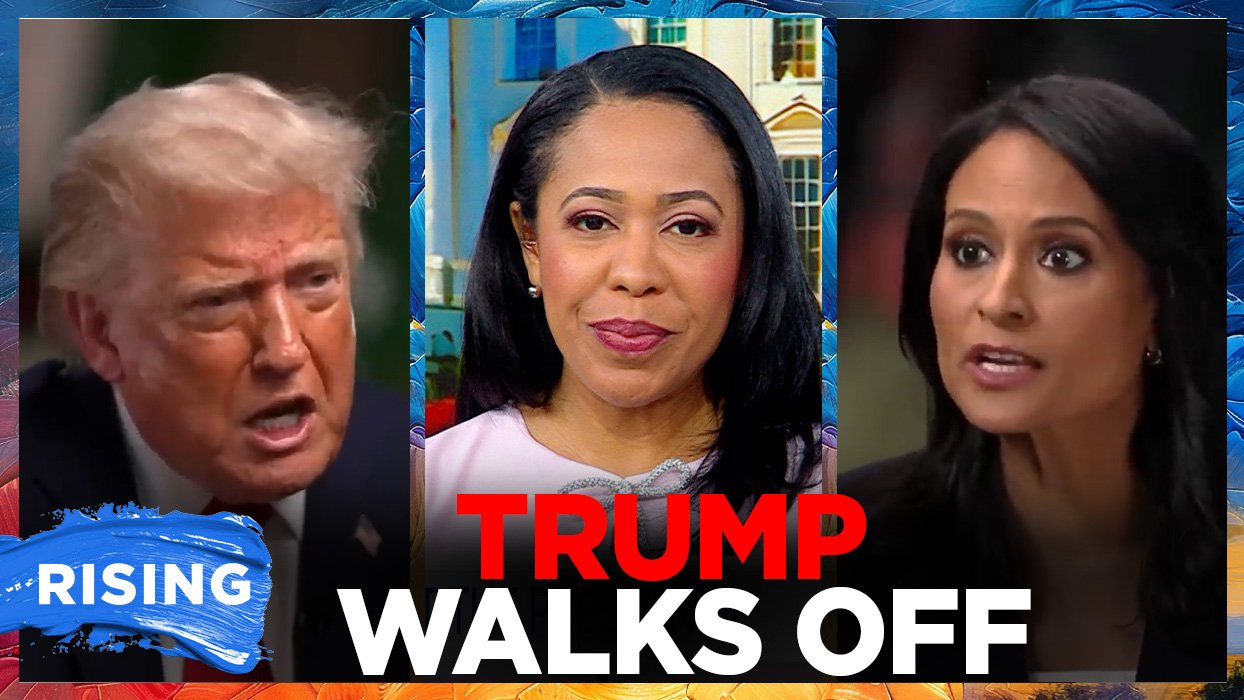
Former President Donald Trump abruptly ended an interview with NBC's Meet the Press on Sunday after moderator Kristen Welker repeatedly pressed him to back up his unfounded allegations about the 2020 election and the January 6 Capitol attack. The exchange, which grew increasingly tense, highlighted a familiar pattern: Trump making sweeping claims without offering proof, and a journalist demanding evidence.
The confrontation began when Welker asked about the Justice Department's proposed $1.8 billion “anti-weaponization” fund, which Trump has argued should compensate allies he claims were targeted by politically motivated investigations. The Justice Department has told a court the fund is “not going forward,” though future payouts through other mechanisms remain possible. Welker pressed Trump on whether those who assaulted police on January 6 should receive taxpayer money. Trump deflected, accusing former FBI Director James Comey and others of being “dirty cops,” but offered no evidence for the charge.
Welker countered that more than 170 people had pleaded guilty to assaulting police officers during the riot. Trump responded by repeating a conspiracy theory that FBI agents “ushered” protesters into the Capitol. “There’s no evidence of that, sir,” Welker said. Trump shot back: “You know what you can do, try looking at the tapes one time.” In fact, reviews by the Justice Department’s inspector general found no evidence that FBI agents directed anyone to enter the building, though a small number of informants were present without bureau instruction.
Recent reporting on GOP infighting, such as Republican lawmakers openly defying Trump on multiple fronts, underscores the broader political pressures surrounding the former president. The interview then shifted to Trump’s continued insistence that the 2020 election was stolen and that similar fraud is occurring in California. When Welker asked for evidence, Trump replied, “All I have to do is look.” California’s vote-counting process takes longer because over 80% of ballots are cast by mail, and ballots postmarked by Election Day can arrive later and still be counted. Trump himself voted by mail in Florida earlier this year.
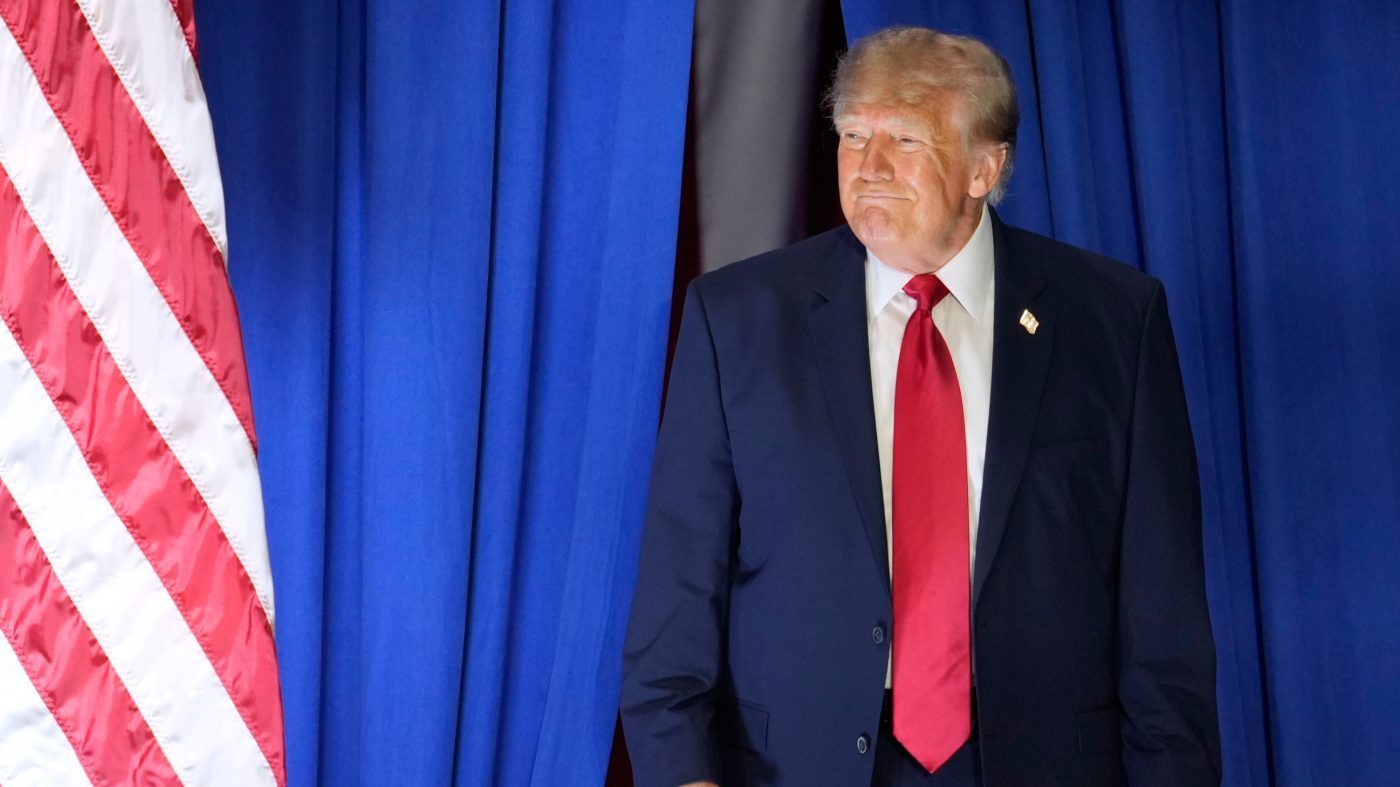
As Welker continued to press, Trump cut off the interview. “Your elections are crooked and you’re crooked and so is NBC, AND CNN. I’m done,” he said before leaving. The episode echoes other recent controversies, such as Trump’s partisan hijack of the 250th anniversary, where he turned a national commemoration into a political rally.
The core principle at stake is simple: extraordinary claims require extraordinary evidence. That standard applies whether one supports Trump or opposes him. In courtrooms, journalism, and public life, facts and proof are the foundation of trust. Americans can evaluate competing arguments, but they deserve transparency from those seeking their confidence. Trump’s walkout, rather than providing answers, only deepened the questions about his willingness to engage with accountability.