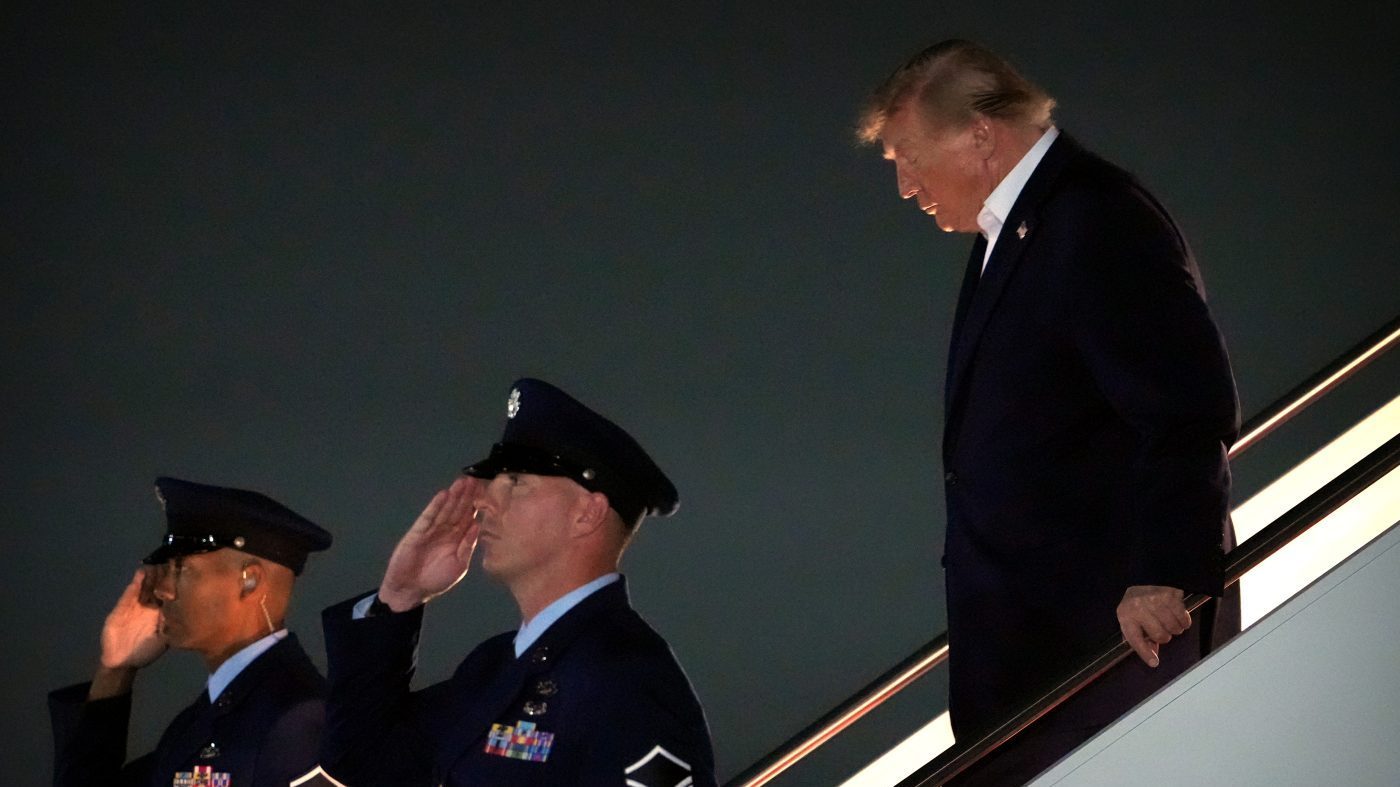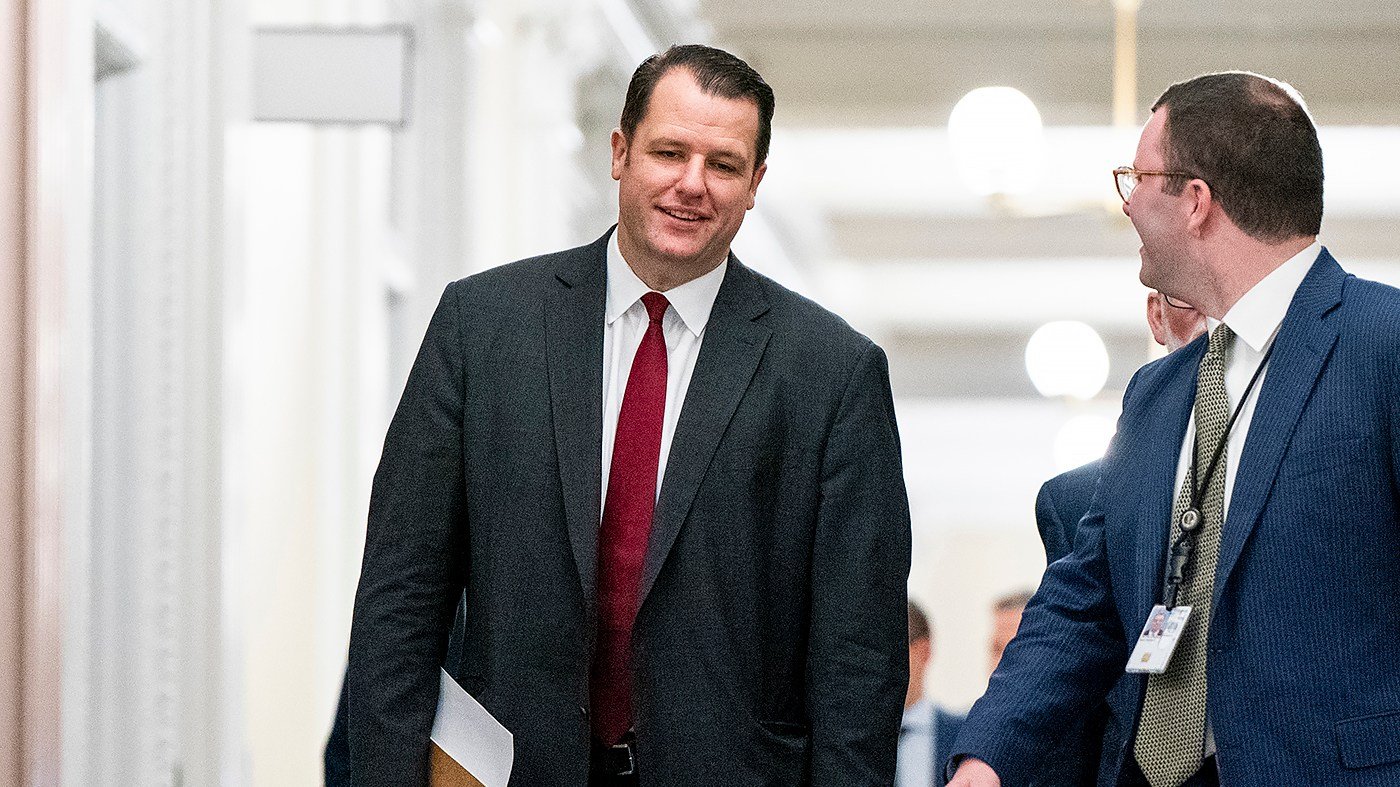
White House legislative affairs director James Baird is stepping down, Vice President Vance confirmed Thursday, marking a significant personnel shift just months before November's midterm elections. Baird's exit arrives as President Trump's relationship with Senate Republicans has grown increasingly strained, and as Vance himself weighs a potential 2028 presidential bid.
Vance praised Baird in a statement posted on X, calling him "brilliant" and "one of the hardest workers you will ever meet." The vice president added: "He's been with me in every fight I've been in, from day one in my senate office through the transition and the President's transformative second term. He has served the President with distinction and I couldn't be prouder of him." Vance concluded, "Very excited to see what he does next."

Baird, who previously served as Vance's legislative director in the Senate, played a central role in advancing Trump's legislative priorities through Congress, including the One Big Beautiful Bill Act and the confirmation of Cabinet and judicial nominees. His departure comes as Republicans struggle to defend their narrow majorities in both chambers, with slumping jobs data deepening GOP economic worries and the party bracing for a challenging electoral landscape.
Speaker Mike Johnson (R-La.) lauded Baird's "extraordinary skill" in leading the legislative affairs office. In a post on X, Johnson wrote: "His great friendship, unwavering commitment, and tireless work ethic have helped House and Senate Republicans advance President Trump's America First agenda in spite of our razor-thin majorities, and he has played an essential role in delivering historic results for the American people."
Beyond serving as a liaison between the White House and Capitol Hill, Baird was a key bridge between Trump's and Vance's political operations, helping to align the two camps during the transition into the second administration. His exit now raises questions about who will fill that coordinating role, especially as some Democrats have already ruled out 2028 bids to focus on the midterms, while Vance's own ambitions remain a subject of speculation.
The timing of Baird's departure is notable, as the White House faces a packed legislative calendar and an increasingly confrontational dynamic with Senate Republicans over spending, immigration, and judicial picks. Trump has publicly clashed with several GOP senators in recent weeks, complicating efforts to pass remaining agenda items before the election.
Baird's departure also follows a series of other personnel changes in the administration, and it underscores the broader instability within the president's inner circle as the midterms approach. With Trump heading to Las Vegas to pitch tax cuts, the White House is eager to project momentum, but losing a seasoned legislative hand could hinder that push.
Political analysts note that Baird's exit may be a precursor to further shakeups, particularly if the GOP's midterm prospects worsen. As primaries in Wisconsin, Minnesota, and South Carolina set the stage for the 2026 midterms, the administration's ability to navigate a divided Congress will be tested.
Baird's next move has not been announced, but his experience in both the Senate and the White House makes him a sought-after figure in Republican circles. For now, his departure adds another layer of uncertainty to an already turbulent political season.