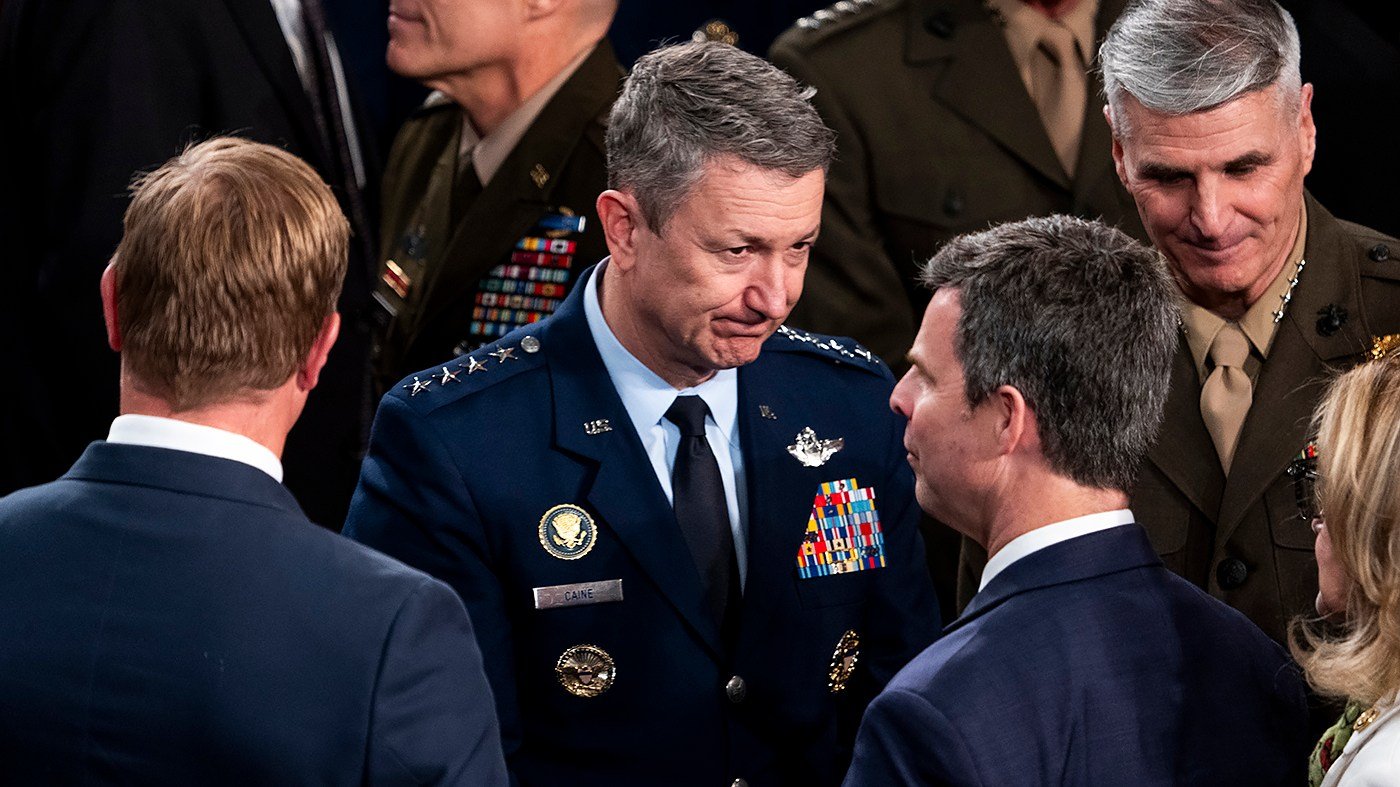
Joint Chiefs of Staff Chairman Gen. Dan Caine has moved to quell concerns about military involvement in the upcoming midterm elections, telling a key Democratic senator that the armed forces will not be dispatched to polling sites or tasked with handling election materials.
In a letter to Sen. Elissa Slotkin (D-Mich.), Caine stated plainly: “Election administration and security remain the fundamental responsibility of state and local officials. The Joint Force has no plans to send Federal military personnel or Federalized members of the National Guard to polling places during the 2026 elections.” He added that there are likewise no intentions to use such forces to seize ballots, voting machines, or other election-related property.
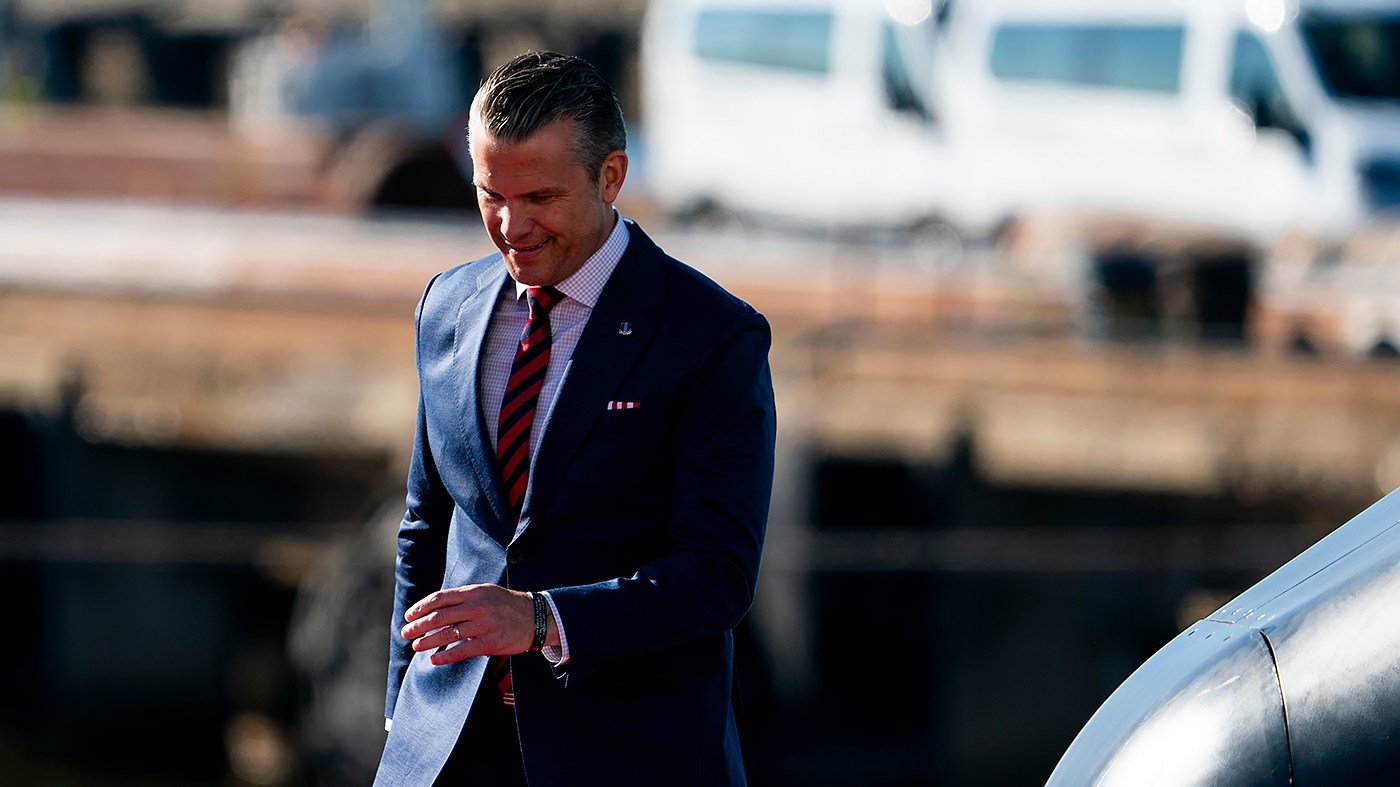
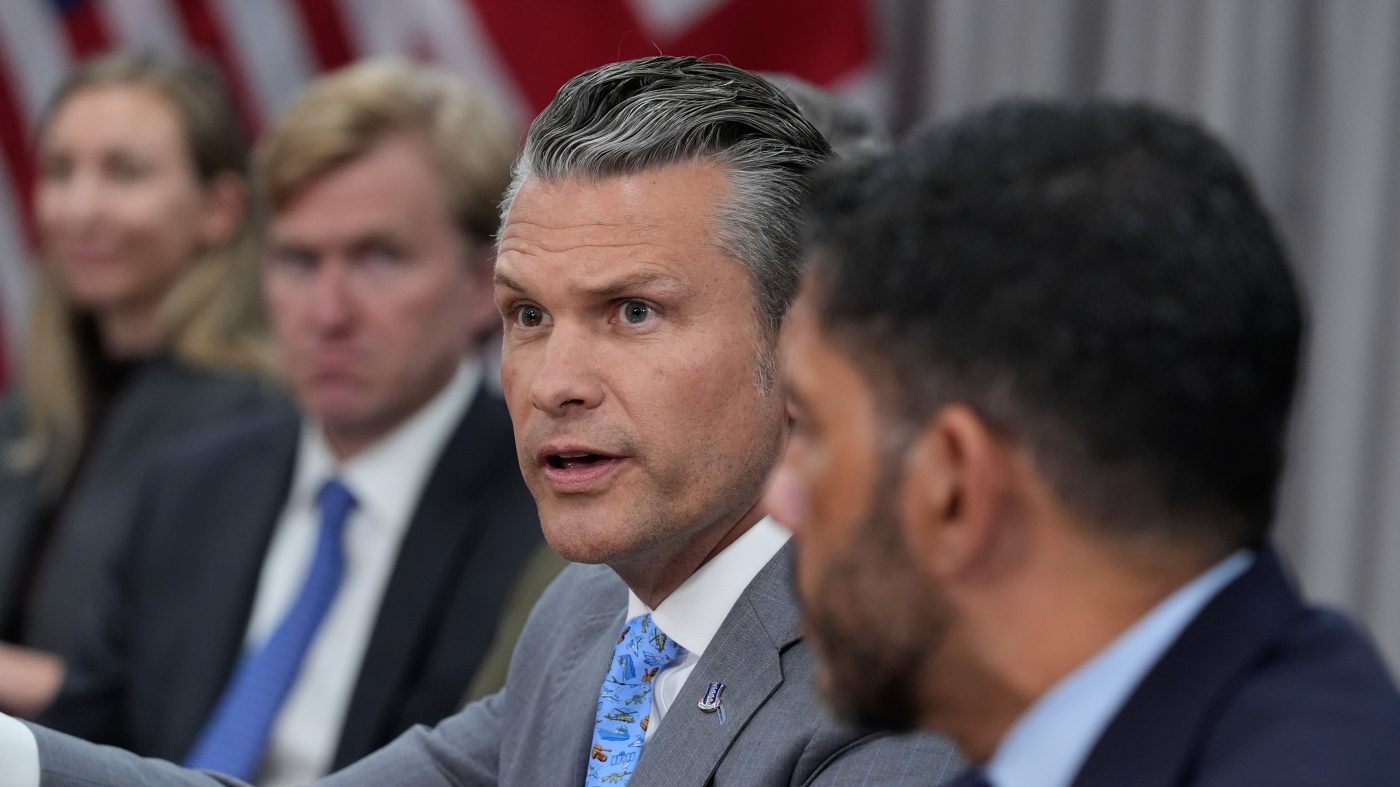
The correspondence comes after Slotkin, a member of the Senate Armed Services and Homeland Security and Governmental Affairs Committees, wrote to both Caine and Defense Secretary Pete Hegseth earlier this month. She pressed them to confirm that the Pentagon would not deploy troops to the polls or confiscate election materials, citing remarks by President Trump that have fueled speculation about federalizing the elections.
Trump, in a recent interview with conservative commentator Wayne Allyn Root, left the door open to such a move. When Root suggested the president could declare a national security emergency to federalize the midterms, Trump responded, “Let me just say that stranger things have happened, OK? I’ll leave it at that.”
Caine’s letter directly addresses those concerns, stating that he has “neither received nor anticipate receiving any unlawful order concerning the role of the Joint Force in the upcoming November 2026 midterm elections.” He also expressed willingness to discuss the matter further with Slotkin or other senators.
The reassurance arrives amid broader debates over military readiness and political independence. As tensions between Army leadership and the Pentagon simmer, and with tariff disputes threatening defense supply chains, the military’s role in domestic affairs remains a sensitive topic. Slotkin has been vocal about safeguarding election integrity, and her exchange with Caine underscores the ongoing scrutiny of Trump’s rhetoric.
While Caine’s statement is clear, it does not fully erase the political friction. Some Republicans have downplayed the need for such assurances, but Democrats like Slotkin argue that explicit commitments are necessary to prevent any abuse of military power. The issue has also drawn attention to the broader erosion of public trust in electoral processes, a trend that worries both parties.
As November approaches, the military’s stance will likely remain a talking point. For now, Caine’s letter offers a firm, written guarantee that the Joint Force will stay out of election administration, a position consistent with long-standing legal and policy norms. Whether that satisfies critics remains to be seen, but it provides a clear benchmark for what the Pentagon says it will and won’t do.