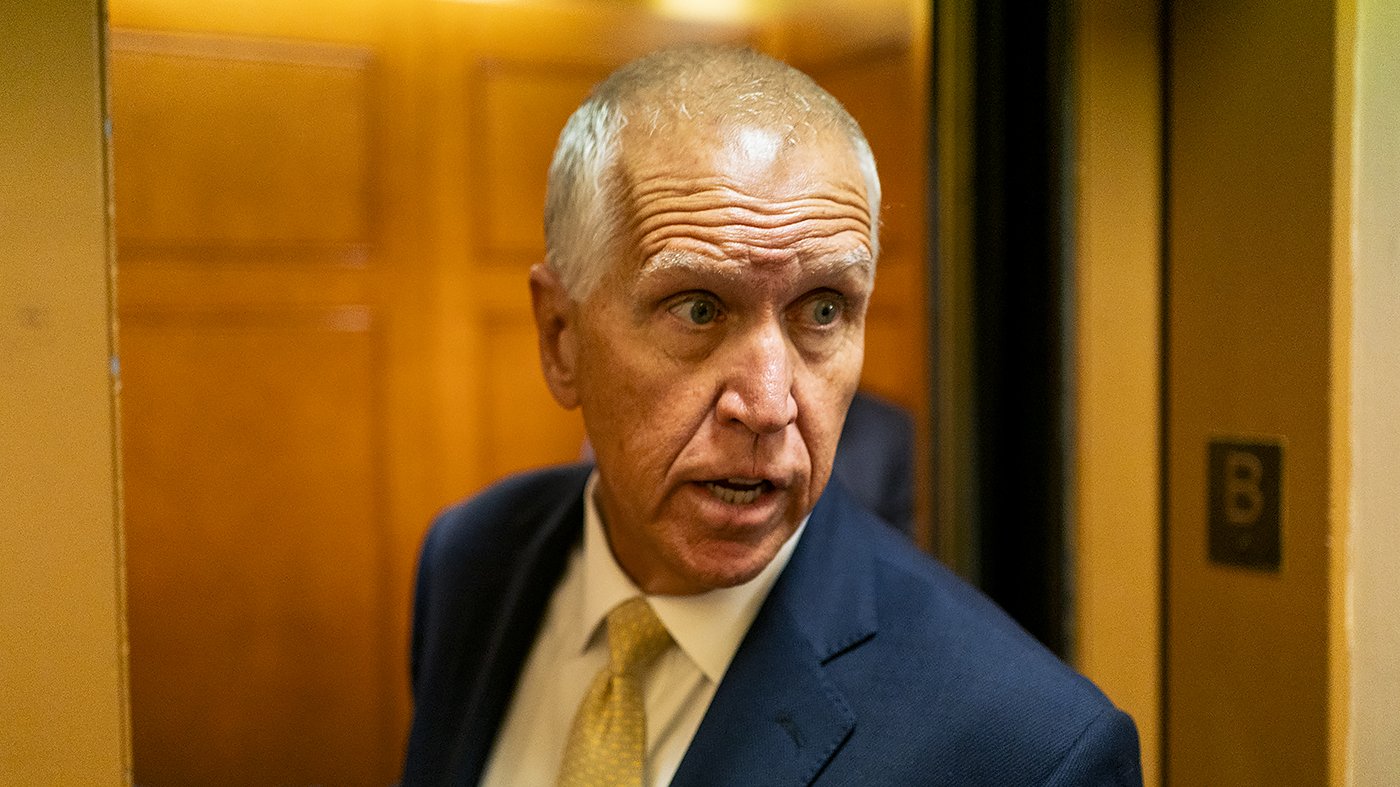
Sen. Thom Tillis (R-N.C.) sharply criticized U.S. Attorney Jeanine Pirro on Wednesday for her pledge to prosecute individuals accused of vandalizing the Lincoln Memorial reflecting pool to the fullest extent of the law, arguing the move exposes a double standard following President Trump's blanket pardons for January 6 Capitol rioters.
“I don’t know what’s worse to you, vandalizing a pool or assaulting a police officer?” Tillis said in an interview. “Now we got somebody, let’s say they took a pen knife to a damn pool liner, you’re going to prosecute them for 10 years?”
The North Carolina Republican, a member of the Senate Judiciary Committee, pointed directly to Trump's sweeping clemency actions last year, which erased convictions for hundreds of individuals involved in the 2021 Capitol breach. “And you’ve let people that admitted to assaulting a police officer go and think I can take that person seriously? Nah uh,” he added.
Pirro's tough stance draws GOP backlash
Pirro, a Trump appointee and former Fox News host, has made the reflecting pool case a priority, vowing to pursue federal charges against suspects accused of slashing the pool's liner. The incident, which Trump has promoted as deliberate sabotage, has drawn attention amid broader maintenance struggles at the national mall site. Critics note that the alleged damage—estimated at a few thousand dollars—pales compared to the violence of the Capitol attack.
Tillis's remarks highlight growing unease among some Republicans about the administration's selective focus on low-level property crimes while downplaying the severity of January 6. The senator's frustration echoes earlier GOP infighting over procedural tactics, but here it targets executive branch discretion.
Context of the reflecting pool controversy
The Lincoln Memorial reflecting pool has been a recurring flashpoint for the Trump administration. National Guard troops were deployed earlier this year to address algae and peeling paint, and Trump has insisted—without evidence—that the damage was intentional. He has repeated the sabotage theory despite no proof, fueling a narrative of victimization.
Meanwhile, the Justice Department under Pirro has pursued arrests related to the vandalism, including a former Olympian who claimed his civil rights were violated during the process. Two other suspects were arrested in an unrelated alleged plot to attack a White House UFC event, but the reflecting pool case remains a priority.
Broader implications for justice
Tillis's critique underscores a fundamental question about prosecutorial consistency: whether the federal government should prioritize minor property crimes over violent offenses against law enforcement. The senator's blunt dismissal of Pirro's credibility signals that even within the GOP, there are limits to tolerance for what some see as performative toughness.
The episode also ties into ongoing debates about Trump's influence on the Justice Department. With the former president still shaping GOP politics, Tillis's willingness to call out a Trump appointee suggests the party is not monolithic on law-and-order messaging.