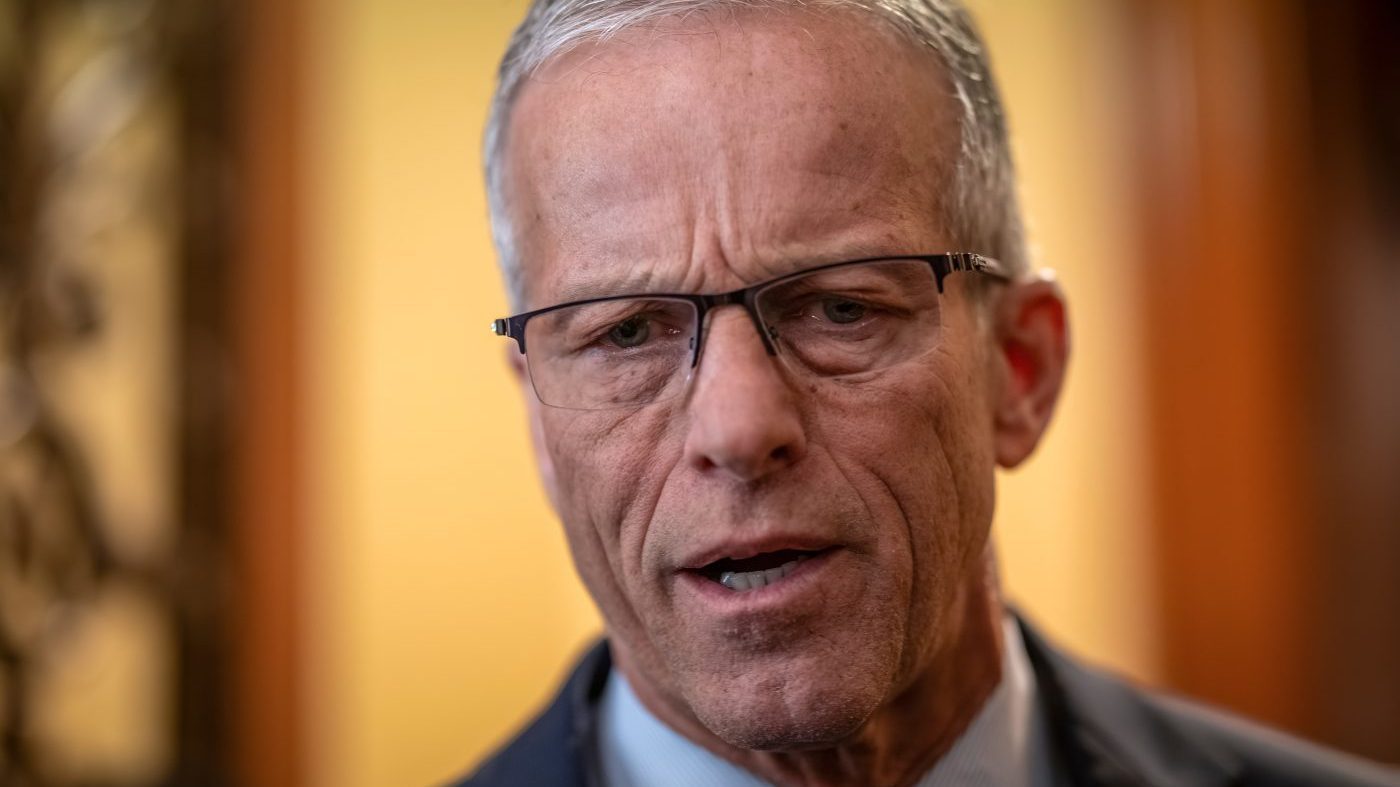
Senate Majority Leader John Thune (R-S.D.) on Tuesday attributed the Republican Party's loss of nine Senate seats in the midterm elections to a set of voter concerns that he argued were largely beyond the candidates' control, including the ongoing war with Iran, soaring inflation, and high gas prices. In an interview on Fox News's America Reports, Thune offered a blunt post-mortem, saying the party's candidates were swimming against a powerful tide set by the Trump administration's foreign policy decisions.
"Any exit poll that you look at would tell you it was about the war, it was about the economy, it was about inflation, it was about gas prices," Thune told anchor John Roberts. "I think that's what it came down to, none of which our candidates had much control over." The comments reflect a growing acknowledgment within Republican ranks that the political environment, shaped heavily by President Trump's decision to engage militarily in Iran, proved insurmountable for many GOP contenders.
Thune, who was elected to lead the Senate GOP conference after the party's disappointing showing, pointed to a decisive shift among independent voters—a bloc that internal polling had long warned was drifting away. "The things that we can control going forward are to ensure that we are talking to those voters, the middle of the electorate, those independent voters who broke against us by 30 points—I mean, we lost independents, which represent a third of the electorate, in all those key Senate races by 30 percentage points," he said.
The South Dakota Republican emphasized that the path back to the majority lies in crafting a compelling economic agenda that resonates with everyday Americans. "We got to start delivering an economic message about the cost of living, the things the American people care about," Thune added, signaling a shift away from the cultural and foreign policy battles that dominated the previous cycle.
Thune's remarks come as national exit polls underscore the depth of the GOP's problem. Only 38% of midterm voters approved of President Trump's job performance, and just 36% said they believed he "fights for people like you." Moreover, 63% of voters blamed the president for higher prices, a stark indicator of the economic anxiety that fueled Democratic gains.
Looking ahead, Thune argued that Republicans can recapture the Senate majority by "winning the hearts and minds of the American people." He outlined a message centered on kitchen-table issues: "That means coming up with a compelling economic message, talking about secure streets, secure borders—safe streets—and more money in your pocket. Those are the things the American people care the most about."
The electoral landscape for Senate Republicans remains challenging. In 2028, the party will be forced to defend 19 seats, while Democrats will defend 16, a map that offers little margin for error. Thune's call for a renewed focus on economic populism is seen by many as an attempt to rebuild the party's appeal after a bruising defeat.
The midterm results have already sparked debates within the GOP about strategy and messaging. Some conservatives argue that the party's emphasis on cultural issues alienated suburban and independent voters, while others point to the administration's handling of the Iran conflict as a decisive factor. Thune's comments suggest he is squarely in the camp that believes the party must pivot back to economic concerns to win back the middle of the electorate.
As the party regroups, Thune's leadership will be tested in the coming months as he works to craft a unified message ahead of the next election cycle. His remarks, delivered just weeks after the Democratic leadership secured control of the Senate, serve as both a diagnosis of the party's ills and a prescription for its recovery.