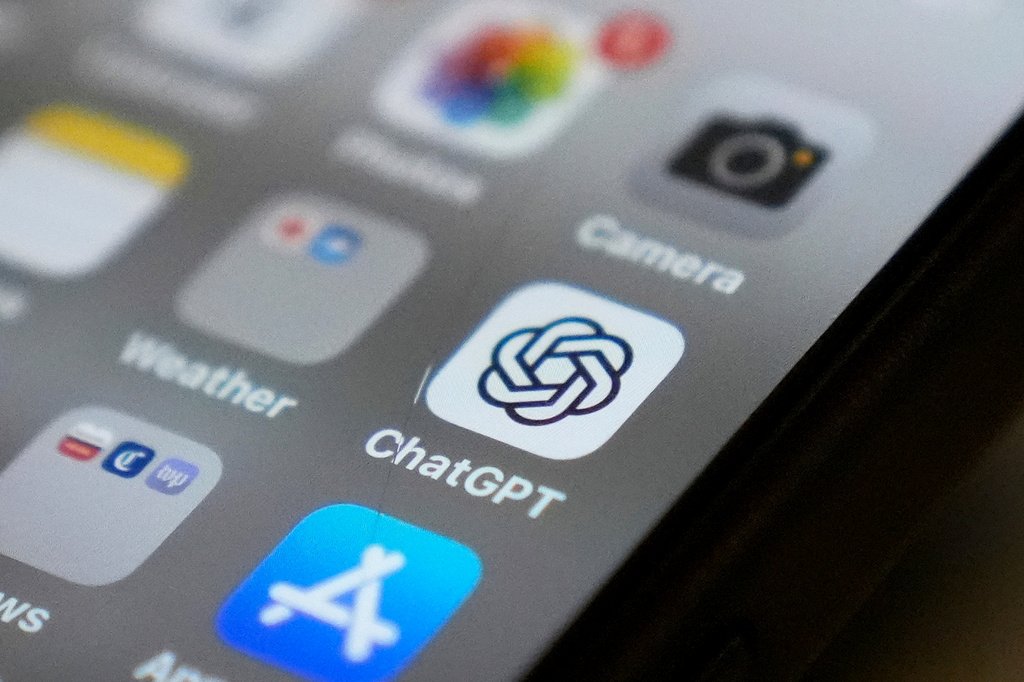
Texas state Rep. Ellen Troxclair, a Republican from District 19, is pressing Congress to pass the federal App Store Accountability Act, following a Supreme Court ruling that allowed the state to enforce its own version of the law. The decision, handed down last month, lets Texas move forward with legislation that requires app stores to obtain parental consent before minors can download apps—a measure Troxclair says is essential to protecting children from harmful online content.
“My first job is to be a mother to three school-aged children. My second is as a Texas state legislator,” Troxclair wrote in an op-ed. She argues that her dual roles have driven her to make children’s online safety a defining issue of her tenure. Last year, Texas enacted a law creating phone-free schools, which Troxclair says has already produced calmer classrooms and more focused students. But she notes that once the school day ends, children enter a digital world where Big Tech faces few obligations to help parents.
The Texas App Store Accountability Act, now cleared for enforcement, is part of a broader legislative push that includes the Kids Online Safety Act and the NO FAKES Act, both awaiting action in the Senate and White House. Troxclair emphasizes that most parents would be surprised to learn how little authority they have over what their children download and the lack of parental involvement required before kids can use apps.
Without such safeguards, app stores are not required to notify parents when a child downloads a new app, and there is often no meaningful parental approval process, no reliable age verification, and no consistent protection against apps featuring explicit sexual content, predatory messaging, AI chatbots, addictive algorithms, or material promoting self-harm and eating disorders. The existing ratings system is also broken: developers largely rate their own apps, and guidelines consider apps with “infrequent sexual content or nudity” safe for 13-year-olds.
A 2024 study by the HEAT Initiative found more than 200 apps labeled as appropriate for children that contained sexual content, violent material, anonymous messaging, or dieting tools—all passing through the current review system and all available to minors. With American teenagers now spending more than seven hours a day on screens, Troxclair calls this a public-health and parental-rights crisis.
The App Store Accountability Act would require verified parental consent before minors can download apps or make purchases, ensure accurate age ratings, and implement meaningful age verification without collecting extra personal data. Troxclair argues that since app stores already hold payment and device data, adding age verification at the store level is less invasive than having thousands of apps independently verify ages.
Texas is not alone: Utah, Louisiana, and Alabama have passed similar state laws. However, Apple and Google are lobbying for an alternative in Washington—the Parents Over Platforms Act—which Troxclair says would preserve the status quo while giving the industry political cover. That bill would let developers decide whether they fall under the law, rely on self-reported age verification, and grant broad liability protection for vaguely defined “good faith efforts.”
Troxclair argues that this approach would codify the same weak safeguards that failed families in the first place. She points to national polling showing 88 percent of parents support requiring app stores to obtain parental consent for minors, and more than 180 child advocacy organizations back the federal App Store Accountability Act.
“Congress now has the opportunity to build on the momentum already created by the states,” Troxclair wrote, urging lawmakers to choose serious reform over industry-written half measures. She concluded: “Silicon Valley should not have more influence over children than their own parents. Texas acted to restore that balance. The Supreme Court let the law remain in effect. Congress can now follow Texas’ lead.”
Related coverage: States open landmark trial accusing Meta of exploiting youth for profit and Texas judge strikes down Biden's ghost gun rule.